Amir Mahmud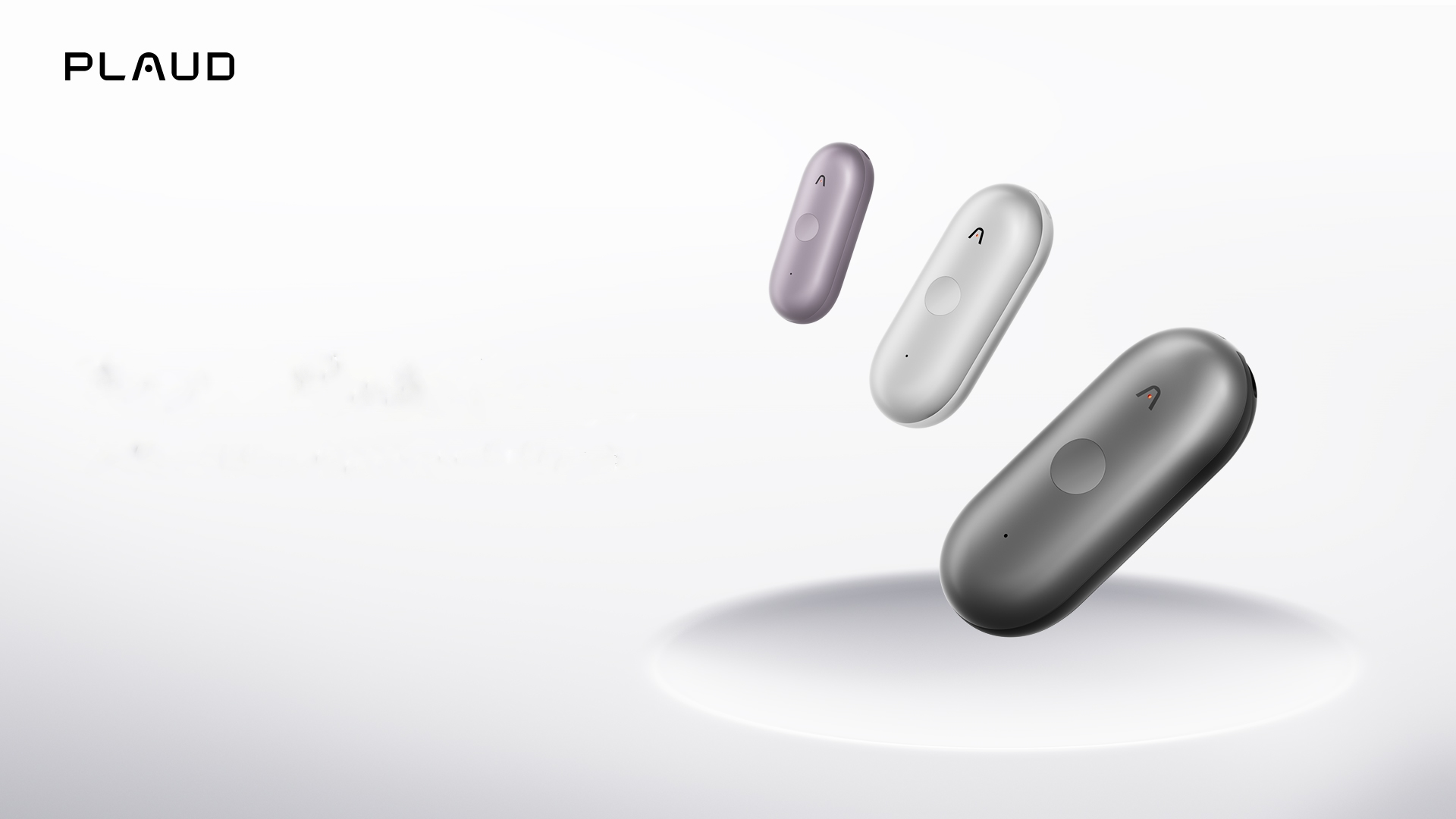
In a significant stride toward refining productivity tools for the modern workforce, Plaud, an innovator in artificial intelligence hardware, has unveiled its latest offerings: the Plaud NotePin S, a compact AI-powered notetaker, and a complementary desktop application designed to streamline virtual meeting documentation. These launches, strategically timed ahead of the Consumer Electronics Show (CES) in Las Vegas, underscore a broader industry trend towards integrating sophisticated AI capabilities into everyday devices and workflows, addressing the persistent challenge of information capture and management.
The Evolution of AI in Productivity
The demand for efficient notetaking solutions has a long history, evolving from handwritten ledgers and shorthand to digital dictaphones and, more recently, AI-driven transcription services. Historically, the act of taking notes during meetings, lectures, or brainstorming sessions often divided attention, making it difficult to fully engage while simultaneously documenting key points. The advent of artificial intelligence, particularly advancements in natural language processing (NLP) and speech-to-text technologies, has begun to transform this landscape. Companies worldwide are grappling with information overload, and the shift towards hybrid and remote work models has only amplified the need for tools that can seamlessly capture and synthesize spoken information from both physical and virtual environments. AI notetakers promise to free users from the manual burden, allowing them to participate actively, secure in the knowledge that crucial details are being accurately recorded and organized.
Plaud’s Journey in Wearable AI
Plaud has been a notable player in this burgeoning sector, building on its initial foray into wearable AI. The company first introduced its pin-styled notetaker in 2024, which quickly garnered attention for its discreet design and functionality. This original device established Plaud’s vision for hands-free, on-the-go recording. Following this, the company expanded its hardware line with the Plaud Note Pro, an iteration that likely offered enhanced features and capabilities. The introduction of the NotePin S marks the fourth distinct device from Plaud, showcasing a commitment to diversifying its product portfolio to cater to varying user needs and preferences. With over 1.5 million devices reportedly sold to date, Plaud has demonstrated a significant market presence and a clear understanding of the utility that specialized AI hardware can offer.
Introducing the NotePin S: Discreet Capture, Enhanced Control
The Plaud NotePin S arrives as a testament to subtle yet powerful design, priced at $179. It retains the core specifications that defined its predecessor, featuring 64GB of internal storage and a robust battery capable of supporting 20 hours of continuous recording. Audio capture is facilitated by two Micro-Electro-Mechanical Systems (MEMS) microphones, engineered to deliver clear sound within a 9.8-foot radius. However, the NotePin S introduces several crucial enhancements that elevate its user experience.
A prominent new feature is the physical button, offering intuitive control to start and stop recordings. This tangible interaction provides immediate feedback and reduces ambiguity, a valuable asset for users in dynamic environments. Furthermore, a tap of this button during an active recording allows users to highlight specific moments, a functionality previously seen in the Note Pro. This "highlight" feature is particularly useful for marking important decisions, action items, or memorable insights, enabling quicker retrieval during review.
Understanding the varied ways professionals integrate technology into their daily lives, Plaud has bundled the NotePin S with a comprehensive set of accessories: a clip, a lanyard, a magnetic pin, and a wristband. This thoughtful inclusion ensures that users can wear the device in a manner most convenient and comfortable for them, whether attached to clothing, around the neck, or on the wrist. For added peace of mind, the NotePin S also integrates Apple Find My support, allowing users to effortlessly locate their device should it be misplaced. While its recording range and battery life are slightly less than the Note Pro, the NotePin S is explicitly designed for portability and discreet use, positioning it as an ideal companion for professionals who are constantly in motion and require a compact, accessible recording solution.
Conquering the Virtual Meeting Space: The Desktop Application
Beyond its hardware innovations for in-person interactions, Plaud is strategically expanding its ecosystem to address the pervasive challenge of digital meeting management. The new desktop client, compatible with various meeting applications, represents a direct challenge to established virtual notetaking services such as Granola, Fathom, and Fireflies. This move signals Plaud’s ambition to become a holistic productivity partner, bridging the gap between physical and virtual workspaces.
The desktop application is engineered to detect active virtual meetings automatically, prompting users to initiate transcription capture. Utilizing system audio, the application records the meeting’s discourse and then employs sophisticated AI algorithms to structure the transcription into organized notes. This intelligent processing goes beyond mere word-for-word transcription, aiming to distill key information, identify speakers, and potentially summarize discussions. A standout feature brought to the desktop app is the capability for multimodal input, first introduced in Plaud’s mobile application last year. This allows users to enrich their audio transcriptions with additional context by adding images and typed notes directly within the platform. Such an integrated approach enables a more comprehensive and contextualized record of meetings, catering to diverse learning and documentation styles.
Bridging the Physical and Digital Divide
Plaud’s dual launch underscores a broader industry effort to create seamless, integrated experiences across different work modalities. The NotePin S caters to the traditional need for capturing spoken information in physical settings – from casual conversations to formal presentations. Meanwhile, the desktop application directly tackles the complexities of virtual collaboration, a cornerstone of contemporary business operations. By offering solutions for both scenarios, Plaud aims to establish an overarching ecosystem where all forms of verbal communication can be effortlessly documented and leveraged. This strategy not only expands Plaud’s market reach but also enhances the value proposition for existing users, offering a unified platform for managing diverse notetaking requirements. The multimodal input capability is particularly significant here, as it allows for a richer, more nuanced capture of information, moving beyond simple text to incorporate visual and personal annotations.
Market Implications and User Experience
The market for AI-powered productivity tools is experiencing rapid growth, fueled by the increasing sophistication of AI models and a cultural shift towards optimizing every aspect of professional life. Plaud’s latest products are poised to capitalize on this trend by offering practical solutions that directly address common pain points. For individuals, these devices promise enhanced focus during meetings, improved recall, and a reduction in the administrative burden of manual notetaking. For organizations, they offer the potential for better knowledge management, improved accountability through detailed meeting records, and a more efficient allocation of human resources.
However, the success of such technologies hinges on user adoption, which in turn depends on ease of use, reliability, and perceived value. The NotePin S, with its simple button interface and versatile wearing options, seems designed for minimal friction. The desktop app’s automatic detection and AI-driven structuring aim to reduce the effort required for virtual meeting documentation. The free tier of 300 minutes of transcription per month provides an accessible entry point, allowing users to experience the benefits before committing to a paid subscription, which would likely unlock more extensive transcription capabilities. This freemium model is a common strategy in the software-as-a-service (SaaS) world and can be effective for driving initial engagement.
Navigating the Ethical Landscape
As with any recording technology, particularly those that are discreet and always-on, the Plaud NotePin S and its desktop counterpart raise important ethical considerations, primarily surrounding privacy and consent. The ability to record conversations in various settings necessitates a clear understanding and adherence to local laws and social norms regarding audio recording. In many jurisdictions, all parties involved must consent to being recorded, especially in professional or public environments.
Companies deploying such tools must consider how to educate users on responsible usage, implement clear policies, and ensure transparency. The "pin" form factor, while convenient, could be perceived as covert if not openly declared. Plaud, like other developers in this space, faces the ongoing challenge of balancing utility with ethical responsibility, ensuring that their innovations empower users without infringing on the privacy rights of others. This is not merely a technical hurdle but a socio-cultural one that will shape the acceptance and integration of wearable AI devices into daily life.
The Future of Personal AI Companions
Plaud’s expansion with both hardware and software solutions positions it firmly within the evolving ecosystem of personal AI companions. The broader landscape includes other notable entrants like the Humane AI Pin and the Rabbit R1, which represent different philosophies of how AI should integrate into human interaction. While some aim for a complete paradigm shift, Plaud appears to be taking a more incremental approach, enhancing existing workflows rather than reinventing them entirely. This strategy might prove more successful in the short term, as it leverages familiar behaviors while introducing AI-powered efficiencies.
The long-term success of Plaud and similar companies will depend on their ability to continually innovate, address user feedback, navigate the competitive landscape, and, crucially, build trust with their user base regarding data privacy and ethical usage. As AI continues to become more sophisticated, devices like the NotePin S and intelligent desktop applications will play an increasingly vital role in augmenting human capabilities, helping individuals and organizations to better manage the deluge of information in an ever-connected world. Plaud’s latest offerings represent a tangible step towards a future where intelligent assistants are not just virtual entities but seamlessly integrated tools that empower greater productivity and understanding.