Amir Mahmud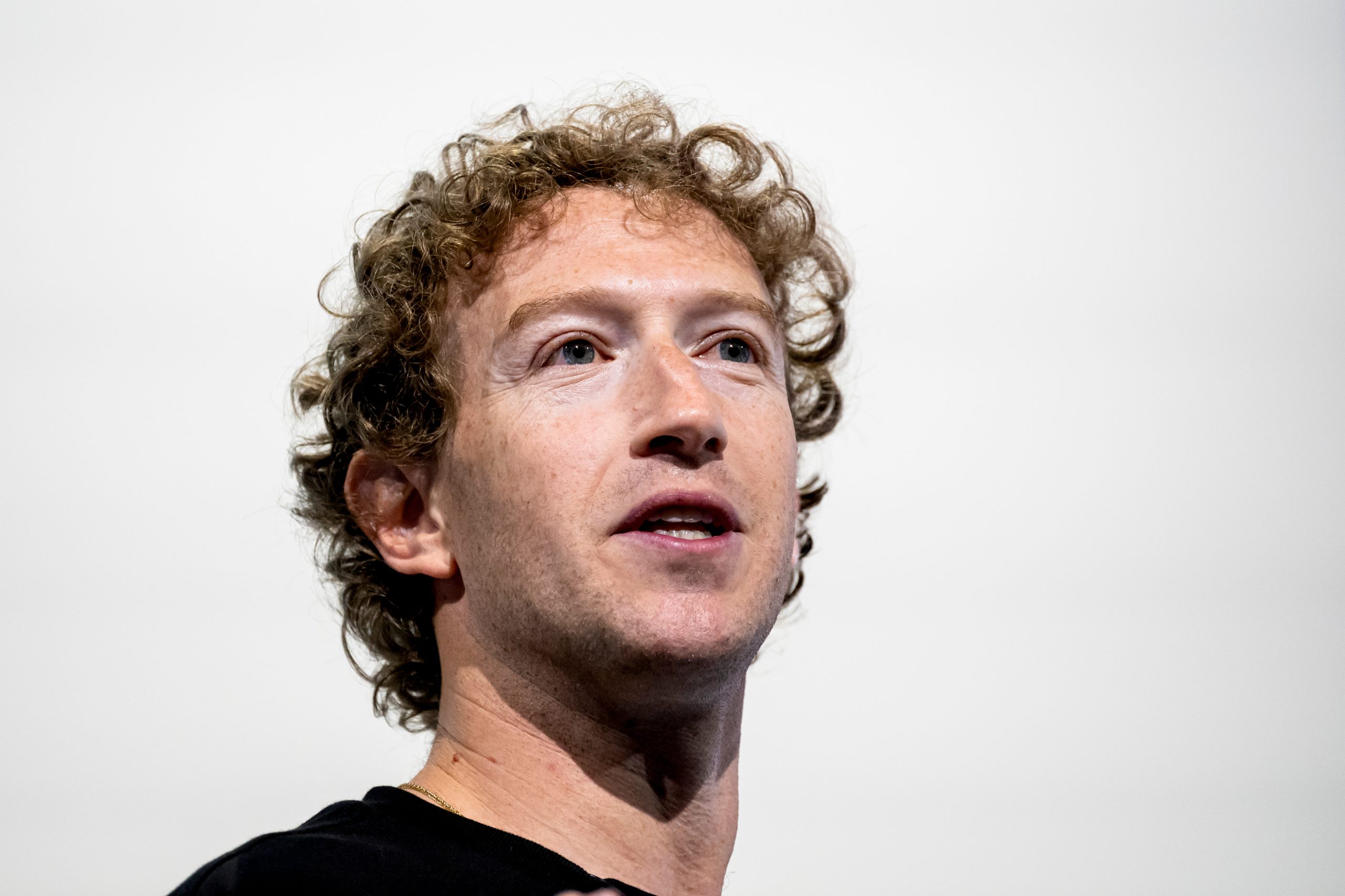
In the dynamic landscape of technological innovation, an intriguing counter-narrative is gaining traction within the venture capital ecosystem: the perceived allure of the college dropout founder. This trend, particularly amplified amidst the current artificial intelligence boom, suggests that foregoing a diploma can, paradoxically, be seen as a valuable credential, signaling an unparalleled commitment to entrepreneurship. This phenomenon, while seemingly at odds with conventional wisdom regarding higher education, reflects a complex interplay of historical myths, market urgency, and evolving investment philosophies.
The Enduring Myth of the Dropout Maverick
For decades, the path to professional success has been largely defined by formal education. A university degree was, and for many still is, considered a foundational step towards a stable and prosperous career. However, the tech world has always harbored a rebellious streak, fueled by the iconic stories of individuals who defied this traditional trajectory. Figures like Apple co-founder Steve Jobs, Microsoft founder Bill Gates, and Meta Platforms CEO Mark Zuckerberg famously departed from their university studies to pursue their groundbreaking ventures. These narratives have solidified a powerful, almost romanticized, myth within Silicon Valley: that true innovation often springs from those unburdened by academic conformity, driven instead by an intense, singular vision.
This potent myth persists despite numerous academic studies that paint a different picture. Research from institutions like the National Bureau of Economic Research and Stanford University consistently indicates that the vast majority of successful startup founders possess at least a bachelor’s degree, with a significant proportion holding graduate-level qualifications. These studies often highlight the benefits of higher education, including the development of critical thinking skills, access to robust professional networks, and the credibility that a reputable institution can confer. Yet, the popular imagination, particularly in the fast-paced tech sector, often gravitates towards the outlier stories, embedding the "dropout" as a symbol of audacious ambition and disruptive potential.
A Cyclical Fascination: From Dot-Com to AI
The venture capital community’s fascination with the "un-degreed" founder is not entirely new; it tends to ebb and flow with the prevailing technological waves and market sentiment. During the late 1990s dot-com boom, the emphasis was on speed and radical new ideas, often valuing raw talent and entrepreneurial drive over formal credentials. As the market matured and eventually corrected, a more sober approach returned, with investors often preferring founders with proven track records or advanced degrees. This cyclical nature suggests that specific market conditions can temporarily shift the perceived value of traditional qualifications.
The current resurgence of interest in dropout founders is unmistakably tied to the rapid acceleration of the AI sector. Artificial intelligence, particularly generative AI, is perceived as a transformative technological frontier, creating an environment where speed to market and agility are paramount. This era is characterized by intense competition and a race to capture nascent opportunities. In such a climate, the decision to leave formal education is often interpreted by investors as a strong signal of conviction and an urgent commitment to building something revolutionary. This perceived urgency, bordering on a "fear of missing out" (FOMO), is compelling a new generation of aspiring entrepreneurs to make difficult choices between completing their studies and diving headfirst into the AI gold rush.
This trend is vividly demonstrated at high-profile events like Y Combinator Demo Days, where early-stage startups pitch their ideas to potential investors. Anecdotal evidence from recent batches suggests a noticeable increase in founders proactively highlighting their dropout status, whether from college, graduate school, or even high school. Katie Jacobs Stanton, a founder and general partner at Moxxie Ventures, observed this phenomenon, noting that "Being a dropout is a kind of credential in itself, reflecting a deep conviction and commitment to building. I think it’s perceived as something quite positive in the venture ecosystem." This perception underscores a fundamental shift in how some investors are evaluating potential.
Venture Capital’s Evolving Calculus
The investment community’s evolving perspective on founder credentials is multifaceted. On one hand, the narrative of the young, brilliant individual abandoning academia to pursue a world-changing idea resonates deeply with the entrepreneurial spirit. It speaks to grit, an unwillingness to conform, and a singular focus on execution. For a venture capitalist, these qualities can be highly attractive, particularly when combined with a promising technological concept. The implicit message is that such a founder is so consumed by their vision that the traditional markers of success become secondary.
However, the reality is more nuanced. While some high-profile AI startups are indeed led by young founders, many still chose to complete their academic journeys. For instance, Michael Truell, CEO of Cursor, is an MIT graduate, and Cognition co-founder Scott Wu holds a degree from Harvard. These examples illustrate that a diploma is far from a deterrent to innovation or investment. Yet, the pressure to choose between education and immediate entrepreneurial pursuit is palpable. Brendan Foody, co-founder of Mercor, notably left Georgetown to dedicate himself to his startup, exemplifying the difficult decisions many face.
Kulveer Taggar, founder of the YC-focused venture firm Phosphor Capital, articulated this sentiment, noting, "There’s just this sense of urgency and maybe FOMO." He highlighted the calculation many young innovators are making: "I can finish my degree, or I can just start building." This urgent calculus is leading to extreme cases, such as a student from an elite university reportedly abandoning his degree in his final semester, convinced that a diploma would actually hinder his chances of securing funding. This anecdote underscores the profound psychological and strategic impact of the current market environment on aspiring founders.
The Social and Economic Ripple Effects
The rising appeal of the dropout founder carries significant social and economic implications. For universities, this trend presents a challenge to their traditional value proposition. While elite institutions will likely continue to attract top talent, the perceived urgency of the AI boom could influence enrollment decisions, particularly among students with strong entrepreneurial inclinations. It could also lead to a re-evaluation of how universities support and integrate entrepreneurial endeavors within their curricula, perhaps offering more flexible pathways or opportunities for students to pursue ventures while still enrolled.
From a societal perspective, the romanticization of dropping out could inadvertently create undue pressure on young individuals to forgo valuable educational experiences. While a select few may achieve extraordinary success, the vast majority of aspiring entrepreneurs still benefit from the structured learning, mentorship, and networking opportunities that higher education provides. The long-term consequences of a widespread devaluation of degrees, even if limited to a specific sector, could be detrimental to broader societal skill development and economic stability.
Culturally, this phenomenon reinforces the image of the tech entrepreneur as a rebellious visionary, often at the expense of recognizing the methodical, knowledge-driven aspects of innovation. It perpetuates a narrative that prioritizes speed and disruption above all else, potentially overlooking the importance of deep theoretical understanding, ethical considerations, and collaborative development—all elements that a comprehensive education can foster.
Beyond the Diploma: What Truly Matters
Despite the prevailing enthusiasm for dropout founders, not all venture capitalists uniformly embrace this profile. Yuri Sagalov, who leads General Catalyst’s seed strategy, offers a more nuanced perspective, suggesting that VCs are often less concerned with the exact credential, especially for students who are close to graduation. "I don’t think I’ve ever felt any different about someone who graduated or didn’t graduate when they’re in [their] fourth year and drop out," Sagalov remarked. He emphasizes that the value of attending a prestigious university often extends beyond the diploma itself, encompassing the robust social networks, access to cutting-edge research, and the inherent brand recognition associated with such institutions. Even without completing the degree, founders can leverage these connections and affiliations. "You get a lot of the social value… because you can put the fact that you participated," he explained, noting that "Most people will look you up on LinkedIn and not care as much whether you finished or not."
This viewpoint highlights a critical distinction: it may not be simply dropping out that appeals to investors, but rather dropping out from an elite institution. The implicit assumption is that individuals accepted into and attending such universities possess a baseline of intelligence, drive, and capability that is transferable to entrepreneurial pursuits, regardless of whether they complete the formal academic program. The "brand" of the university itself acts as a pre-qualification, signaling a certain caliber of talent.
Conversely, some seasoned investors prioritize qualities that are often developed over time, irrespective of academic background. Wesley Chan, co-founder of FPV Ventures, for example, is less inclined to invest in very young dropouts because he places a high value on "wisdom." Chan believes that true wisdom—the ability to navigate complex challenges, learn from failures, and make sound long-term decisions—is typically found in "older founders or people who have a couple of scars under their belt." This perspective introduces a crucial counterpoint, suggesting that while youthful exuberance and raw talent are valuable, they might not always be sufficient without the depth of experience and judgment that often comes with age and a longer professional journey.
Weighing the Risks and Rewards
The current climate, where dropout status is increasingly seen as a positive signal for startup founders in the AI space, is a complex phenomenon driven by a unique confluence of technological opportunity and market urgency. While it empowers a segment of highly driven individuals to pursue their visions unencumbered by traditional academic timelines, it also raises questions about the long-term value of education, the sustainability of such intense market pressure, and the potential for reinforcing a narrow, often idealized, view of entrepreneurial success.
Ultimately, the decision to pursue a startup over a degree remains a highly personal one, fraught with both immense potential and significant risks. For the venture capital community, the challenge lies in discerning genuine conviction and transformative potential from mere adherence to a fashionable trend. As the AI landscape continues to evolve, so too will the metrics and characteristics that define the most coveted startup founders, perpetually reshaping the delicate balance between formal credentials and raw, unbridled ambition.