Amir Mahmud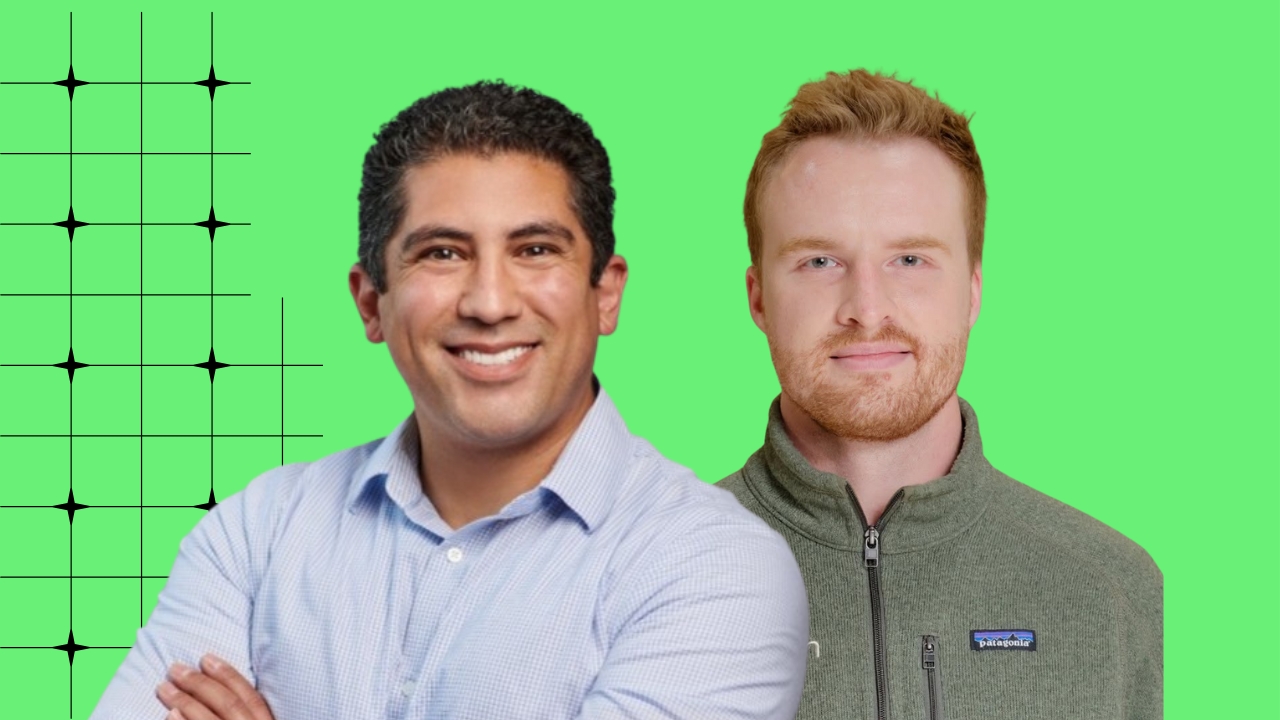
The entrepreneurial journey is inherently fraught with challenges, yet a distinct subset of startups willingly ventures into arenas where innovation is not merely difficult but also heavily scrutinized by governmental and legislative bodies. These highly regulated sectors, spanning healthcare, finance, energy, and even end-of-life services, present formidable barriers to entry, demanding not only groundbreaking ideas and robust business models but also an arduous, often decade-long, navigation of complex legal and ethical frameworks. The recent "Build Mode" podcast, hosted by Startup Battlefield editor Isabelle Johannessen, spotlighted two such pioneering companies, Enspectra Health and Earth Funeral, whose founders are making significant strides in industries ripe for disruption, despite the extensive regulatory hurdles that might deter less resilient entrepreneurs. Their experiences underscore a crucial paradox: while regulations can indeed elongate timelines and necessitate meticulous planning from the outset, they do not inherently stifle innovation; rather, they reshape its trajectory and reward those who master the intricate dance between groundbreaking technology and compliance.
The Regulatory Tightrope Walk for Innovators
Heavily regulated industries exist primarily to protect public health, safety, and welfare. Agencies like the Food and Drug Administration (FDA) in the United States, for instance, are tasked with ensuring that medical devices, pharmaceuticals, and certain food products are safe and effective before they reach consumers. This oversight, while essential, introduces substantial costs, time delays, and layers of complexity for startups. For venture capitalists, investing in these sectors can be a double-edged sword: the "moat" created by regulatory approval can lead to highly defensible market positions and significant returns, but the extended timelines and high failure rates also represent considerable risk. Founders in these spaces must not only innovate technologically but also become experts in regulatory strategy, legal compliance, and stakeholder management. They must build businesses capable of sustaining themselves through prolonged periods of development and approval, often without generating revenue.
Enspectra Health: A Decade-Long Quest for Medical Innovation
One compelling example discussed on the podcast is Enspectra Health, co-founded and led by CEO Gabriel Sanchez. His company has developed an advanced device designed to revolutionize dermatological diagnostics by potentially eliminating the need for traditional skin biopsies. For millions worldwide, a suspected skin lesion necessitates an invasive biopsy procedure, which can be painful, costly, and often leaves a scar. The process involves removing a tissue sample, which is then sent to a pathology lab for microscopic examination—a workflow that has remained largely unchanged for decades. Enspectra Health’s technology aims to provide real-time, non-invasive analysis, offering a quicker and less traumatic diagnostic path.
Sanchez’s journey to secure FDA clearance for his device has spanned an extraordinary decade. This timeline is not unusual for medical devices, particularly those that represent a significant departure from established diagnostic methods. The FDA’s process for medical devices is tiered, ranging from low-risk Class I devices, which require minimal oversight, to high-risk Class III devices, which demand rigorous pre-market approval (PMA). The PMA process involves extensive pre-clinical testing, often followed by multiple phases of human clinical trials to demonstrate both safety and efficacy, culminating in a comprehensive application review by the agency. Each stage can involve significant data collection, analysis, and iterative design improvements, all under strict regulatory guidelines.
For Enspectra Health, this decade-long odyssey meant navigating not just the scientific and engineering challenges of developing a novel diagnostic tool but also the administrative and financial burdens of regulatory compliance. Sanchez’s tactical advice, as highlighted on "Build Mode," centers on relentless planning, building a team with deep regulatory expertise, and securing patient capital that understands the extended gestation period. Keeping a team motivated through years without market entry or significant revenue requires exceptional leadership, a clear vision, and a culture that celebrates incremental progress and resilience. The potential market impact of such a device is immense, promising to improve patient experience, reduce healthcare costs associated with biopsies and follow-up care, and potentially accelerate diagnosis, leading to better patient outcomes.
The FDA’s Gatekeeping Role in Healthcare
The history of the FDA’s regulatory framework for medical devices illustrates the agency’s evolving role in balancing innovation with patient safety. Prior to the Medical Device Amendments of 1976, medical devices were largely unregulated, leading to instances of harm from unsafe products. The 1976 amendments established the modern system of device classification and pre-market review. Subsequent legislation, like the Safe Medical Devices Act of 1990 and the Medical Device User Fee and Modernization Act of 2002, further refined the process, introducing user fees to expedite reviews and post-market surveillance requirements.
This rigorous oversight, while challenging for innovators, has cultivated a landscape where FDA approval serves as a powerful validation of a product’s safety and effectiveness. For venture capitalists, a startup successfully navigating this process offers a strong competitive advantage, often creating a high barrier to entry for potential rivals. However, the costs associated with clinical trials, regulatory submissions, and maintaining compliance can run into tens of millions of dollars, making sustained funding a critical component of success for any medical technology startup.
Earth Funeral: Redefining End-of-Life Practices
On the other end of the life spectrum, Tom Harries, co-founder of Earth Funeral, illustrates a different but equally complex regulatory challenge. Earth Funeral is an end-of-life startup that has pioneered a process transforming human remains into nutrient-rich soil, an environmentally conscious alternative to traditional burial or cremation. This practice, often referred to as human composting or natural organic reduction, involves placing the deceased in a controlled environment with organic materials, allowing natural decomposition to occur over several weeks.
Unlike medical devices, which fall under the purview of federal agencies like the FDA, end-of-life practices are primarily regulated at the state level. This decentralized regulatory landscape means that companies like Earth Funeral must navigate a patchwork of state laws, each with its own legislative process, public sentiment, and political considerations. Harries launched Earth Funeral when its innovative process was legal in only one state, Washington. This immediately presented a significant scaling challenge. Expansion hinged not on federal accreditation or approval from a single governmental body, but on convincing individual state legislative bodies and their constituents to embrace a novel, and for some, culturally challenging, method of disposition.
Navigating the Shifting Sands of State Legislation
The traditional funeral industry has deep historical and cultural roots, with practices largely centered around embalming, casket burial, and cremation. The latter, once controversial, gained widespread acceptance throughout the 20th century due as much to changing societal norms and economic factors as to legislative adjustments. The emergence of "green burial" practices in the late 20th and early 21st centuries, which forgo embalming and use biodegradable materials, signaled a growing environmental consciousness in death care. Human composting is the latest evolution in this trend, offering a significantly lower carbon footprint compared to cremation and conserving land compared to traditional burial.
The legislative journey for human composting has been a testament to persistent advocacy. Washington was the first state to legalize natural organic reduction in 2019, followed by Colorado, Oregon, Vermont, California, and New York in subsequent years. Each state’s legislative process involves public hearings, committee reviews, and votes, often encountering resistance from traditional funeral industry lobbyists or segments of the public uncomfortable with new approaches to human remains. Harries’s experience highlights the need for startups in this space to engage deeply with public education, build broad coalitions of support, and patiently work through the legislative process state by state. This requires a different kind of "regulatory runway" – one measured in legislative sessions and public opinion shifts rather than clinical trial phases.
The Broader Implications: Market Shifts and Cultural Acceptance
The ventures of Enspectra Health and Earth Funeral exemplify broader trends in innovation within regulated sectors. Enspectra Health’s success could usher in a new era of non-invasive diagnostics, potentially shifting healthcare paradigms towards preventative and less traumatic care. The social impact on patients, who might avoid invasive procedures and receive faster diagnoses, is substantial. Economically, such technologies could reduce the burden on pathology labs and lower overall healthcare costs, though initial adoption might be slow as healthcare systems adjust.
Earth Funeral, on the other hand, taps into a growing cultural movement towards environmental sustainability and personalized end-of-life choices. As concerns about climate change intensify, eco-friendly death care options are likely to see increased demand. The market for alternative funeral services, while niche, is expanding, creating opportunities for new businesses and services. However, the cultural and emotional sensitivities surrounding death mean that public acceptance is paramount. Startups in this space must be adept at respectful communication and education, addressing potential discomfort or ethical concerns with empathy and clarity. The success of companies like Earth Funeral depends not just on the legality of their services but on their ability to resonate with the evolving values of society.
Strategic Imperatives for Regulated Startups
For any startup eyeing a heavily regulated market, the experiences of Enspectra Health and Earth Funeral offer invaluable lessons. Firstly, deep domain expertise and a clear understanding of the regulatory landscape are non-negotiable. This often means hiring regulatory affairs specialists or engaging legal counsel with specific experience in the relevant industry. Secondly, securing "patient capital" – investors who understand and are prepared for extended development and approval timelines – is crucial. Traditional venture capital firms, with their pressure for rapid growth and quick exits, may not always be the best fit unless they have specific funds or mandates for deep tech or life sciences.
Thirdly, strategic planning for regulatory milestones must be integrated into the core business strategy from day one. This includes anticipating potential roadblocks, budgeting for compliance costs, and developing contingency plans. Fourthly, building strong relationships with regulatory bodies, legislative offices, and industry associations can be beneficial, allowing for proactive engagement and a better understanding of evolving requirements. Finally, resilience, adaptability, and an unwavering commitment to the mission are perhaps the most vital qualities for founders in these challenging, yet potentially transformative, fields.
The path to building venture-backable companies in heavily regulated spaces is undoubtedly arduous. It demands extraordinary patience, significant capital, and a sophisticated understanding of both science and policy. Yet, as the journeys of Enspectra Health and Earth Funeral demonstrate, these very challenges also forge robust businesses that, once successful, are uniquely positioned to deliver profound impacts on human health, environmental sustainability, and societal well-being. They serve as powerful reminders that the most meaningful innovations often emerge from the most challenging landscapes, pushing the boundaries of what is possible while adhering to the highest standards of safety and ethics.