Amir Mahmud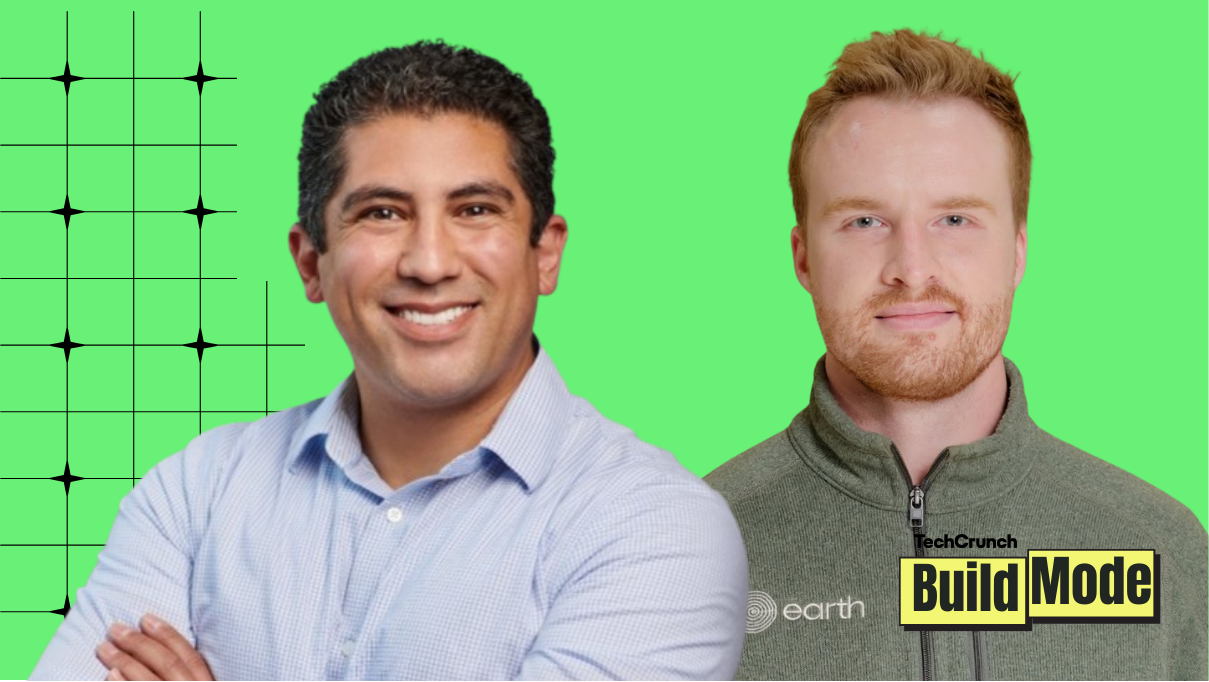
The entrepreneurial landscape is often characterized by the mantra of "move fast and break things," a philosophy that champions rapid iteration and disruption. However, a distinct cohort of startups is charting a different course, operating within heavily regulated industries where caution, compliance, and cultural sensitivity are paramount. These ventures are tackling some of humanity’s most profound experiences—health and mortality—with innovations designed to enhance quality of life and redefine end-of-life practices, facing formidable challenges from stringent regulatory bodies to deep-seated societal taboos.
The Intricate Labyrinth of Health Technology Regulation
For startups in health technology, the path to market is often a decade-long marathon, not a sprint. The United States Food and Drug Administration (FDA) stands as the primary gatekeeper, ensuring the safety and efficacy of medical devices and pharmaceuticals. This regulatory framework, largely shaped by historical events such as the 1938 Federal Food, Drug, and Cosmetic Act and the 1976 Medical Device Amendments, was established to protect public health following instances of unsafe products reaching consumers. Navigating this labyrinth requires immense capital, meticulous planning, and an unwavering commitment to scientific rigor, a stark contrast to the agile development cycles common in other tech sectors.
Gabriel Sanchez, co-founder of Enspectra Health, exemplifies this arduous journey. His company is developing advanced skin imaging technology aimed at revolutionizing dermatological diagnostics, particularly in the early detection of skin cancers. The road to FDA clearance for such a device is notoriously protracted, often spanning many years and millions of dollars in research, development, and clinical trials. For Enspectra Health, this involved a nearly decade-long commitment to demonstrating the device’s accuracy, reliability, and safety through rigorous testing and data submission. The FDA evaluates devices based on their risk classification, ranging from Class I (low risk, e.g., bandages) to Class III (high risk, e.g., pacemakers), with each class demanding progressively more intensive premarket review, clinical data, and post-market surveillance. Enspectra’s imaging device, likely falling into a higher-risk category due to its diagnostic implications, would necessitate extensive clinical validation to prove its effectiveness in aiding medical professionals without posing undue risks to patients.
The market impact of these regulatory delays is multifaceted. While ensuring patient safety, the extended timelines can stifle innovation, making it challenging for startups to maintain investor interest and operational runway. Early-stage companies often face the difficult task of securing venture capital in a climate where investors typically seek quicker returns. Moreover, the delay in bringing advanced diagnostic tools to market means patients may wait longer for access to potentially life-saving technologies, highlighting the tension between rapid innovation and comprehensive safety protocols.
Redefining End-of-Life: The Emergence of Human Composting
Beyond the realm of medical innovation, another frontier of challenging innovation lies in the highly sensitive domain of end-of-life services. Traditional practices like burial and cremation have dominated for centuries, deeply embedded in cultural, religious, and social norms. However, a growing awareness of environmental impact and a desire for more personalized options are fueling the emergence of alternative services, such as human composting, also known as natural organic reduction.
Tom Harries, co-founder of Earth Funeral, is at the forefront of this movement. His company offers human composting as an eco-conscious alternative to conventional methods. The process involves placing the deceased in a controlled environment with organic materials like wood chips and straw, where microbial activity naturally transforms the body into nutrient-rich soil over several weeks. This method significantly reduces carbon emissions compared to cremation and avoids the land-intensive requirements and chemical embalming associated with traditional burial.
The introduction of such a novel end-of-life practice encounters a different set of regulatory and cultural hurdles. Unlike medical devices with a centralized federal authority, end-of-life services are primarily governed by state laws, leading to a patchwork of regulations across the country. Earth Funeral’s model necessitates working closely with state legislatures to legalize and regulate human composting, a process that involves educating lawmakers and the public about the science, ethics, and environmental benefits of the practice. Washington was the first state to legalize human composting in 2019, followed by Oregon, Colorado, Vermont, California, and New York. Each legislative victory requires extensive lobbying, public discourse, and overcoming initial skepticism or resistance rooted in long-held traditions and beliefs about the treatment of human remains.
The cultural impact of human composting is profound. It challenges centuries-old rituals and introduces a new paradigm for memorialization that aligns with modern environmental values. As societal attitudes toward death and environmental stewardship evolve, there practices offer individuals and families a choice that reflects their values, fostering a sense of continuity with nature. However, the emotional and spiritual significance of funeral rites means that adoption is not merely a matter of legality or environmental benefit; it requires a delicate navigation of deeply personal beliefs and cultural narratives surrounding death, grief, and remembrance.
Navigating the Unique Startup Ecosystem: Funding and Iteration in Regulated Spaces
Founders like Sanchez and Harries operate in a unique entrepreneurial ecosystem, distinct from the fast-paced, often less regulated world of consumer tech. The "move fast and break things" ethos is simply untenable when dealing with human health or the sacred act of laying a loved one to rest. Instead, their success hinges on meticulous planning, patient capital, and an ability to iterate strategically within regulatory constraints.
Raising venture capital in these highly regulated and sensitive spaces presents a significant challenge. Many traditional venture capitalists are deterred by the long development cycles, high capital expenditure, and perceived "taboo" nature of these industries. The investment horizon for a medical device startup seeking FDA clearance, for instance, can easily exceed the typical five-to-seven-year window preferred by many VCs, requiring "patient capital" from investors willing to commit for a decade or more. Similarly, end-of-life services, while addressing a universal need, often fall outside the typical investment theses of firms focused on scalable software or consumer goods.
Consequently, founders in these sectors often turn to specialized investors, such as impact investors focused on health or sustainability, family offices with longer investment horizons, or strategic corporate partners within relevant industries. They also heavily rely on non-dilutive funding sources like grants from government agencies (e.g., NIH for health tech) or philanthropic organizations.
Furthermore, the concept of iteration—a cornerstone of startup methodology—must be rethought. While waiting for regulatory approvals, these companies cannot rapidly pivot their core product or service. Instead, iteration often occurs around business models, market positioning, ancillary services, or early-stage development of future product lines that don’t immediately require regulatory clearance. For Enspectra, this might involve refining software interfaces or exploring new diagnostic applications while the core device undergoes trials. For Earth Funeral, it could mean developing comprehensive educational materials or expanding into related end-of-life planning services in states where human composting is not yet legal. Building a strong team with expertise in regulatory affairs, legal counsel, and public relations becomes as crucial as engineering talent.
Broader Implications and the Future of Purpose-Driven Innovation
The experiences of Enspectra Health and Earth Funeral underscore a broader trend: a growing cohort of entrepreneurs committed to solving complex, fundamental human challenges, even when it means navigating bureaucratic hurdles and cultural resistance. Their work highlights the critical balance between fostering innovation and upholding societal values of safety, ethics, and respect.
From a societal perspective, the development of advanced diagnostic tools like Enspectra’s promises to improve patient outcomes, reduce healthcare costs in the long term, and democratize access to sophisticated medical imaging. Similarly, the increasing availability of environmentally sound end-of-life options like human composting reflects a collective shift towards more sustainable practices across all aspects of life, offering solace and choice to grieving families while benefiting the planet.
Neutral analytical commentary suggests that while regulatory frameworks are essential for public protection, there is an ongoing global discussion about how to streamline processes without compromising safety, particularly for breakthrough technologies. Governments and regulatory bodies are exploring expedited review pathways for innovations addressing unmet medical needs or those demonstrating clear environmental benefits. This dialogue is crucial to ensure that the necessary safeguards do not inadvertently stifle progress in areas vital to human well-being and ecological health.
Ultimately, the stories of these startups serve as a powerful testament to the resilience and vision required to build in industries where the stakes are quite literally matters of life and death. They remind us that true innovation is not always about speed, but often about persistence, meticulous execution, and a deep understanding of the human condition and its surrounding environment. As these pioneering ventures continue to mature, they are not just building products or services; they are shaping the future of healthcare and our relationship with mortality, one careful, compliant, and compassionate step at a time.