Amir Mahmud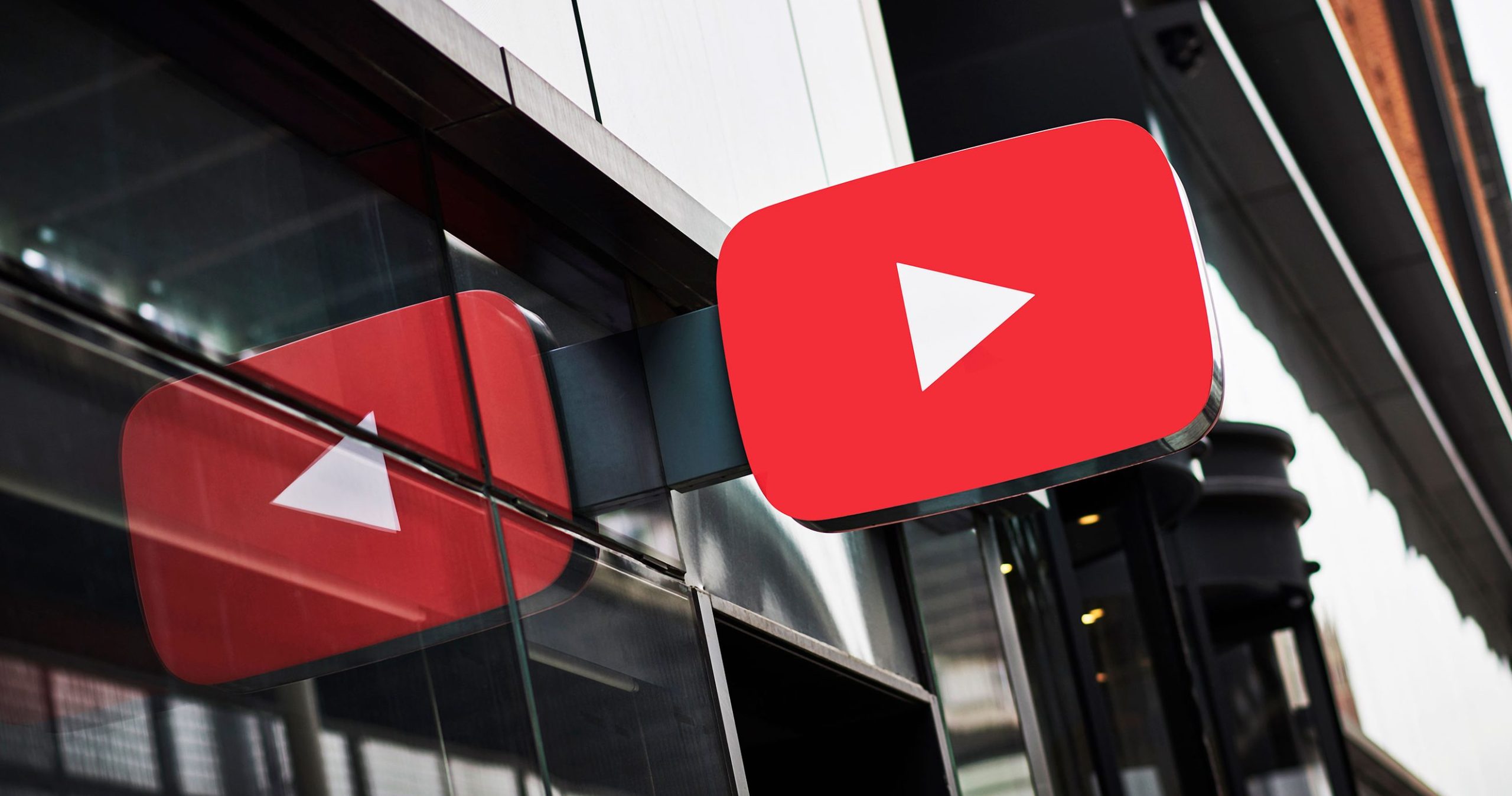
YouTube, the ubiquitous video-sharing platform and a significant player in the digital music landscape, has declared its intention to cease providing data to Billboard for the compilation of its influential U.S. music charts. This impactful decision stems from a fundamental disagreement over Billboard’s updated methodology for ranking popular music, which increasingly prioritizes paid, on-demand streaming over its ad-supported counterpart. The move, set to take effect after January 16, 2026, marks a pivotal moment in the ongoing evolution of music consumption metrics and the complex relationship between technology giants and traditional industry gatekeepers.
The Enduring Legacy of Billboard Charts
To understand the gravity of YouTube’s decision, it’s essential to appreciate Billboard’s historical role. Since its inception in 1894, Billboard has been the definitive chronicler of popular music in the United States. Its charts, particularly the iconic Billboard Hot 100 (launched in 1958) and the Billboard 200 albums chart, have long served as the industry’s gold standard for measuring commercial success and cultural impact. For decades, artists, labels, and fans alike have looked to Billboard to discern what music resonated most with the public.
Initially, chart rankings were straightforward, predominantly based on physical record sales and radio airplay. The "album unit" concept, central to the Billboard 200, traditionally equated to one album sale. However, the advent of digital music in the early 21st century, first with digital downloads and later with streaming, forced Billboard to continually adapt its formulas. The introduction of "track equivalent albums" (TEA) and "streaming equivalent albums" (SEA) marked significant shifts, attempting to translate single track sales and individual streams into the equivalent of an album unit. These adjustments aimed to maintain the charts’ relevance in a rapidly changing consumption environment, but they also introduced increasing complexity and occasional controversy. The current dispute is a testament to the persistent challenge of accurately reflecting music popularity in an era dominated by diverse digital platforms.
The Shifting Sands of Music Consumption
The music industry has undergone a seismic transformation over the last two decades, with streaming emerging as the dominant mode of consumption. According to industry reports, streaming now accounts for a staggering majority of U.S. recorded music revenue, fundamentally altering how fans discover, listen to, and interact with artists. This shift has presented both immense opportunities and significant challenges, particularly concerning revenue distribution and the perceived value of different streaming tiers.
Billboard’s recent formula adjustments, which prompted YouTube’s withdrawal, are a direct response to this evolving landscape. The publisher articulated its rationale by stating that the changes are designed to "better reflect an increase in streaming revenue and changing consumer behaviors." In essence, Billboard is emphasizing the economic value generated by various streaming models, acknowledging that paid subscriptions contribute significantly more revenue to artists and rights holders per stream compared to ad-supported free tiers. This move aligns with a broader industry push to valorize premium, subscription-based consumption, which is viewed as more sustainable for the ecosystem. The adjusted formula will impact the coveted Billboard 200 lists, various genre-based album charts, and the Billboard Hot 100 singles chart, with changes scheduled to be reflected in charts published from January 17, 2026, encompassing data from January 2-8, 2026.
YouTube’s Counter-Argument: Equating All Engagement
YouTube, however, strongly contests this differentiation, advocating for a more egalitarian approach to stream counting. The platform argues that Billboard’s formula is "outdated" and fails to capture the full scope of how fans engage with music today. In a public statement, YouTube emphasized, "This doesn’t reflect how fans engage with music today and ignores the massive engagement from fans who don’t have a subscription." Their core demand is straightforward: "We’re simply asking that every stream is counted fairly and equally, whether it is subscription-based or ad-supported—because every fan matters and every play should count."
YouTube’s position stems from its unique role as a global platform that offers both free, ad-supported access to an immense catalog of music videos and audio tracks, as well as a premium subscription service, YouTube Music Premium. For many users, particularly younger demographics and those in developing markets, YouTube is the primary, if not sole, avenue for music discovery and consumption. The platform contends that ignoring or de-weighting these ad-supported streams diminishes the true breadth of an artist’s reach and popularity. From YouTube’s perspective, a view or listen on its platform, regardless of whether it’s monetized through ads or a subscription, represents genuine fan engagement and should contribute equally to an artist’s chart standing.
Unpacking the Formulaic Discrepancy
The crux of the disagreement lies in the specific weighting applied to different stream types. Under the previous Billboard methodology for album units, 3,750 ad-supported streams from an album or 1,250 paid/subscription official audio and video streams were considered equivalent to one album unit. This established a 3:1 ratio, meaning paid streams held three times the weight of ad-supported streams.
The revised formula, which YouTube is protesting, slightly narrows this gap but still maintains a significant disparity. After January 17, 2026, it will take 2,500 ad-supported streams or 1,000 paid/subscription streams to equate to one album unit. This new calculation effectively sets the ratio at 2.5:1, meaning paid streams will still count 2.5 times as much as ad-supported streams for album charts. For the Billboard Hot 100, the ratio between paid/subscription and ad-supported on-demand streaming tiers will also be adjusted to 2.5:1. While the overall number of streams required to constitute an album unit has decreased (a "win" for streaming generally), the preferential weighting of paid streams remains, which is the core contention for YouTube.
This granular difference has profound implications. For artists and labels, it means that streams generated on ad-supported platforms like YouTube, despite their massive volume, will contribute less to chart positions than streams from subscription services such as Spotify Premium, Apple Music, or Amazon Music Unlimited.
YouTube’s Massive Reach and Industry Influence
YouTube’s leverage in this dispute comes from its undeniable position as a music behemoth. With billions of users worldwide, it serves as an unparalleled discovery platform. For many emerging artists, a viral music video on YouTube can be the catalyst for their breakthrough, generating millions of views and fostering a global fanbase. Even established artists heavily rely on YouTube for direct fan engagement, behind-the-scenes content, and the visual component of their music.
While the revenue per stream from ad-supported content on YouTube is generally lower than from subscription services, the sheer volume of consumption often translates into substantial advertising revenue for rights holders. Moreover, YouTube’s free tier acts as a critical funnel, introducing new listeners to artists who may eventually convert to paid subscribers on other platforms or even YouTube Music Premium. By pulling its data, YouTube is asserting the undeniable cultural and commercial significance of its platform, irrespective of Billboard’s revenue-centric weighting system.
Market Impact and Broader Implications
The fallout from YouTube’s decision could be multifaceted. Firstly, it raises questions about the comprehensive accuracy and integrity of Billboard’s charts. If data from one of the largest music consumption platforms is absent, can the charts truly reflect the entirety of popular music engagement in the U.S.? This could lead to a less complete picture of an artist’s true popularity, potentially skewing perceptions within the industry and among the public.
Secondly, the move could influence artist and label strategies. While chart performance is crucial for promotion and industry recognition, artists also seek maximum audience reach. Labels might face a dilemma: prioritize platforms that contribute more significantly to chart success (i.e., paid streaming services) or continue to heavily promote on YouTube for broader exposure, even if those streams are no longer factored into Billboard’s rankings. This could inadvertently fragment promotional efforts and potentially lead to different metrics of "success" depending on the platform.
This conflict also highlights the ongoing "value gap" debate within the music industry. Many artists and labels have long argued that platforms offering free, ad-supported access do not adequately compensate rights holders relative to the volume of consumption they generate. Billboard’s decision to weigh paid streams higher is, in part, a response to these industry concerns, attempting to align chart metrics more closely with revenue generation for creators. YouTube’s counter-move underscores the inherent tension between maximizing fan access and ensuring sustainable remuneration for artists.
A Strategic Maneuver?
Many industry observers view YouTube’s withdrawal not as a definitive severing of ties, but rather as a powerful negotiation tactic. By "taking its ball and going home," YouTube is exerting pressure on Billboard to reconsider its stance. The platform’s concluding statement, "We are committed to achieving equitable representation across the charts and hopefully can work with Billboard to return to theirs," strongly suggests an openness to reconciliation if terms can be mutually agreed upon.
However, this strategy carries risks for YouTube. Should Billboard maintain its position, artists and labels, keen on achieving chart success, might indeed deprioritize YouTube for new music releases or promotional campaigns that directly aim for chart impact. This could, in the long term, diminish YouTube’s perceived importance as a launchpad for chart-eligible content, despite its undeniable cultural influence. Conversely, if Billboard’s charts lose significant credibility due to the absence of YouTube’s massive data, it could prompt a reevaluation of what constitutes a truly representative measure of music popularity in the digital age.
The dispute between YouTube and Billboard is more than a mere squabble over formulas; it is a microcosm of the larger battle shaping the future of the music industry. It forces a critical examination of how success is defined, how fan engagement is valued, and how revenue is generated in an increasingly complex digital ecosystem. As the music world barrels towards 2026, all eyes will be on these two titans to see if a harmonious resolution can be struck, or if the landscape of music metrics will be permanently altered.