Amir Mahmud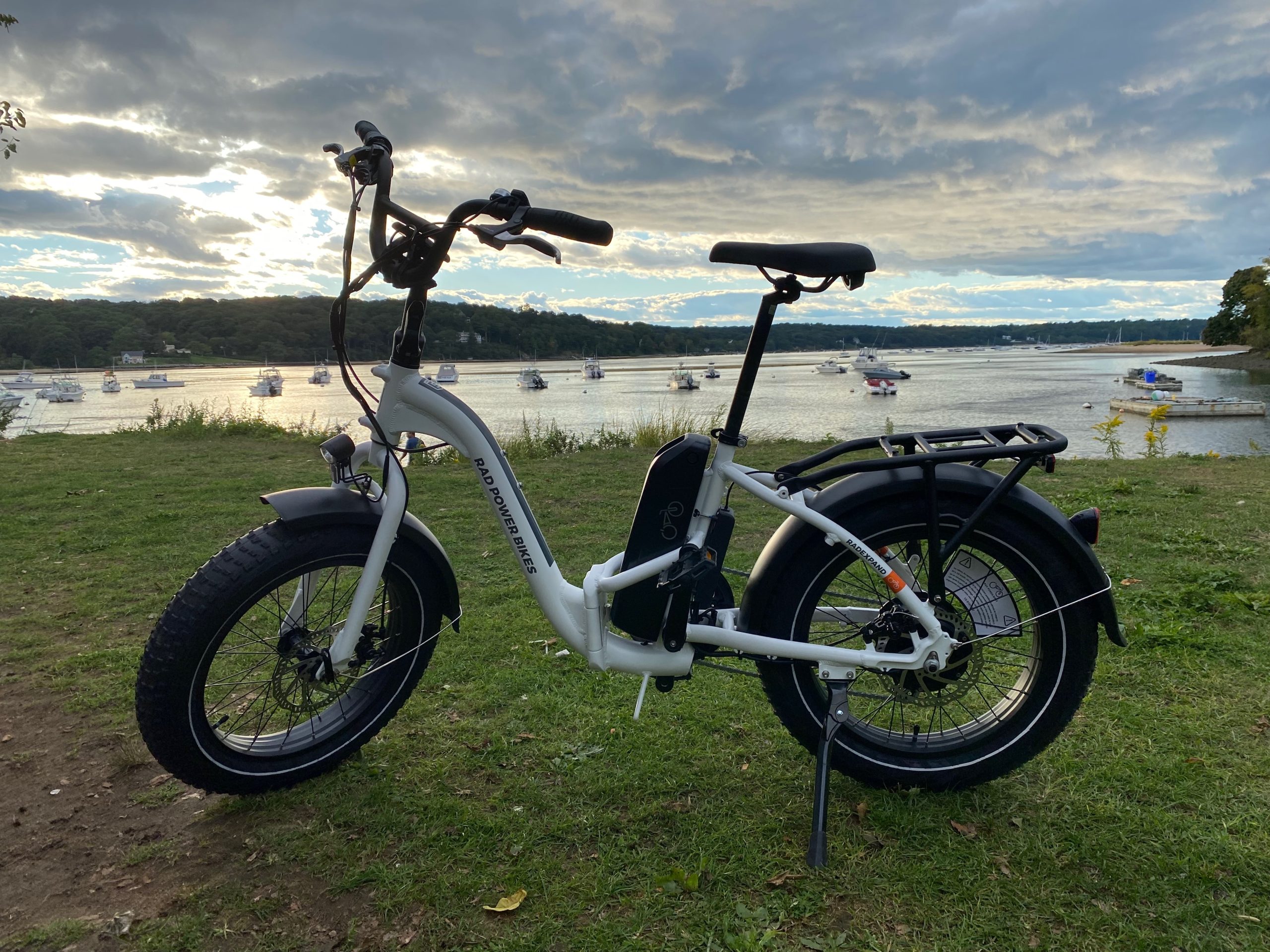
Rad Power Bikes, a once-dominant force in the electric bicycle industry, has initiated Chapter 11 bankruptcy proceedings, a move that signals a challenging period for the company and reflects broader turbulence within the micromobility sector. The Seattle-based enterprise, known for popularizing accessible and affordable e-bikes through a direct-to-consumer model, formally filed for protection in court, just weeks after alerting its workforce to the critical need for new capital to avert a complete shutdown. This strategic financial maneuver allows the company to continue its operational activities while simultaneously pursuing a sale of the business, a process it hopes to finalize within 45 to 60 days. A company spokesperson affirmed that this step is intended to preserve ongoing operations and seek the most favorable outcome for all stakeholders, including its extensive network of riders, vendors, suppliers, and partners.
A Pioneer’s Perilous Path
Founded in 2007 by Mike Radenbaugh, Rad Power Bikes emerged as a trailblazer in the nascent electric bicycle market, officially launching its first commercial models in 2015. The company quickly distinguished itself by embracing a direct-to-consumer (D2C) sales model, which allowed it to offer competitively priced e-bikes directly to customers, bypassing traditional retail markups. This approach, combined with a focus on practical, utility-oriented designs, resonated strongly with a growing segment of consumers seeking sustainable transportation alternatives, recreational vehicles, and accessible mobility solutions. Rad Power Bikes rapidly scaled, becoming one of North America’s largest e-bike brands and a significant player globally. Its early success was built on a foundation of robust marketing, a strong online presence, and a commitment to making e-bike technology approachable for the everyday rider. The company’s expansion mirrored the burgeoning interest in electric personal mobility devices, establishing a brand synonymous with reliability and value in the rapidly evolving e-bike landscape.
The E-Bike Boom and Bust Cycle
The trajectory of Rad Power Bikes is deeply intertwined with the broader narrative of the electric bicycle industry, particularly the dramatic boom and subsequent contraction experienced in recent years. The onset of the global pandemic in 2020 triggered an unprecedented surge in demand for e-bikes. With public transportation concerns, a renewed focus on outdoor activities, and a desire for socially distanced commuting options, consumers flocked to e-bikes as a viable and enjoyable solution. Governments in various regions also introduced incentives for sustainable transport, further fueling the market. Companies like Rad Power Bikes, already well-positioned with their D2C models and robust supply chains (at least initially), benefited immensely from this sudden explosion in interest. Production ramped up, investment flowed in, and the industry experienced a period of rapid expansion and high valuations.
However, as pandemic-era restrictions eased and consumer behaviors began to normalize, the market dynamics shifted dramatically. The initial surge gave way to a significant slowdown. Several factors contributed to this cooling effect: market saturation after years of elevated sales, an overstock of inventory as supply chains recovered faster than anticipated, and a general tightening of consumer spending due to inflationary pressures and economic uncertainty. Many e-bike companies, including those that had ridden the wave of expansion, found themselves grappling with excess stock, dwindling demand, and intensified competition. This shift has led to a wave of bankruptcies and restructurings across the industry, with notable European brands like VanMoof and Cake also seeking new ownership through court-led processes. Their re-emergence under new stewardship provides a potential roadmap for Rad Power Bikes, highlighting a pattern of consolidation and recalibration within the sector. Analysts suggest this period represents a necessary "shakeout," where unsustainable business models and overextended operations are corrected, paving the way for a more mature and resilient industry structure.
Strategic Shifts and Leadership Changes
The path to bankruptcy for Rad Power Bikes was not a sudden turn but rather the culmination of several years of internal restructuring, strategic pivots, and leadership transitions. The company experienced multiple rounds of layoffs in the years leading up to its Chapter 11 filing, signaling efforts to streamline operations and adapt to changing market conditions. A significant leadership change occurred earlier this year when founder Mike Radenbaugh stepped down as CEO, making way for Kathi Lentzsch, an executive renowned for her expertise in revitalizing struggling companies. Lentzsch immediately articulated a strategic shift away from the pure direct-to-consumer model that had been Rad Power Bikes’ hallmark. She aimed to integrate a more robust retail-focused approach, establishing physical presence and strengthening customer relationships through traditional channels.
This strategic pivot acknowledged the limitations of an exclusively D2C model in a maturing market. While D2C offers cost advantages and direct customer engagement, it also presents challenges in providing hands-on service, facilitating test rides, and building brand loyalty in a crowded marketplace where consumers increasingly seek convenience and immediate gratification. The transition to a hybrid or retail-heavy model is complex, requiring significant investment in infrastructure, dealer networks, and logistical support. Lentzsch expressed optimism at the time, viewing the shift as an opportunity to expand reach and evolve the brand. However, the financial pressures and market headwinds ultimately proved too strong, leading to the current bankruptcy proceedings before the full impact of these strategic changes could materialize. The company had also been actively seeking new funding, with a "very promising" deal reportedly on the table in November that ultimately fell through, underscoring the acute financial distress it faced.
Safety Scrutiny and Financial Strain
Adding to Rad Power Bikes’ woes was a public warning issued by the Consumer Product Safety Commission (CPSC) in November, just weeks before the bankruptcy filing. The CPSC alerted consumers to a "risk of serious injury and death" associated with certain older Rad Power battery packs, citing 31 reports of fires. This warning, while disputed by Rad Power Bikes, which stated it "strongly disagrees" with the CPSC’s characterizations, had immediate and severe implications for brand reputation and consumer confidence. Battery safety is a critical concern across the e-mobility industry, with incidents of fires drawing significant regulatory and public scrutiny. Such warnings can erode trust, impact sales, and potentially lead to costly recalls or legal challenges, exacerbating an already precarious financial situation.
The bankruptcy filing itself revealed the extent of the company’s financial liabilities. Rad Power Bikes entered the Chapter 11 process reporting $32 million in assets against a significantly larger $73 million in liabilities. A substantial portion of this debt, over $8 million, was owed to the U.S. Customs and Border Protection agency for unpaid tariffs. While Rad Power Bikes has listed this specific claim as "disputed" in its bankruptcy paperwork, the presence of such a large tariff-related debt highlights a broader economic challenge for companies reliant on international supply chains, particularly those importing goods from regions subject to trade disputes. The imposition of tariffs on Chinese imports during the previous administration significantly increased the cost of goods for many micromobility companies, which often rely on manufacturing hubs in Asia. This financial burden can critically impact profit margins and cash flow, potentially pushing companies already operating on thin margins towards insolvency. The case of electric skateboard company Boosted, which faced similar challenges from tariffs and ultimately ceased operations, serves as a stark reminder of how geopolitical trade policies can reverberate through specific industries.
The Broader Market Landscape and Future Outlook
The Chapter 11 filing by Rad Power Bikes is more than an isolated corporate event; it is a significant indicator of the evolving landscape within the broader micromobility and electric vehicle industries. The shakeout witnessed in the e-bike sector mirrors similar consolidations and challenges observed in electric scooter and moped markets. Early pioneers, often fueled by venture capital and rapid expansion during boom cycles, are now confronting the realities of mature markets, increased competition, tighter regulations, and more discerning consumers. The demand for durable, safe, and easily serviceable products at competitive prices remains, but the operational complexities of delivering these at scale, especially with a global supply chain, are immense.
For Rad Power Bikes, the path forward involves a potential sale of the business. The bankruptcy process, while challenging, offers a structured environment to reorganize debts, shed liabilities, and attract new ownership or investment. A successful sale could see the brand re-emerge under new management with a fresh capital injection, allowing it to continue serving its customer base, albeit potentially with a revised business model or market focus. The outcomes for companies like VanMoof and Cake, which found new owners through similar processes, provide a glimmer of hope that Rad Power Bikes’ brand equity and customer loyalty could attract a buyer interested in revitalizing the company.
The future of the e-bike market, while undergoing consolidation, remains promising in the long term, driven by continued interest in sustainable transportation, urban mobility solutions, and recreational cycling. However, the industry will likely be characterized by greater scrutiny on product quality, safety standards, and robust after-sales support. Companies that can adapt to these demands, navigate complex supply chains, and build resilient business models are the ones most likely to thrive. Rad Power Bikes’ journey through bankruptcy will be a closely watched case study, offering valuable insights into the resilience and evolution of the electric mobility revolution.







 Azin Asro