Amir Mahmud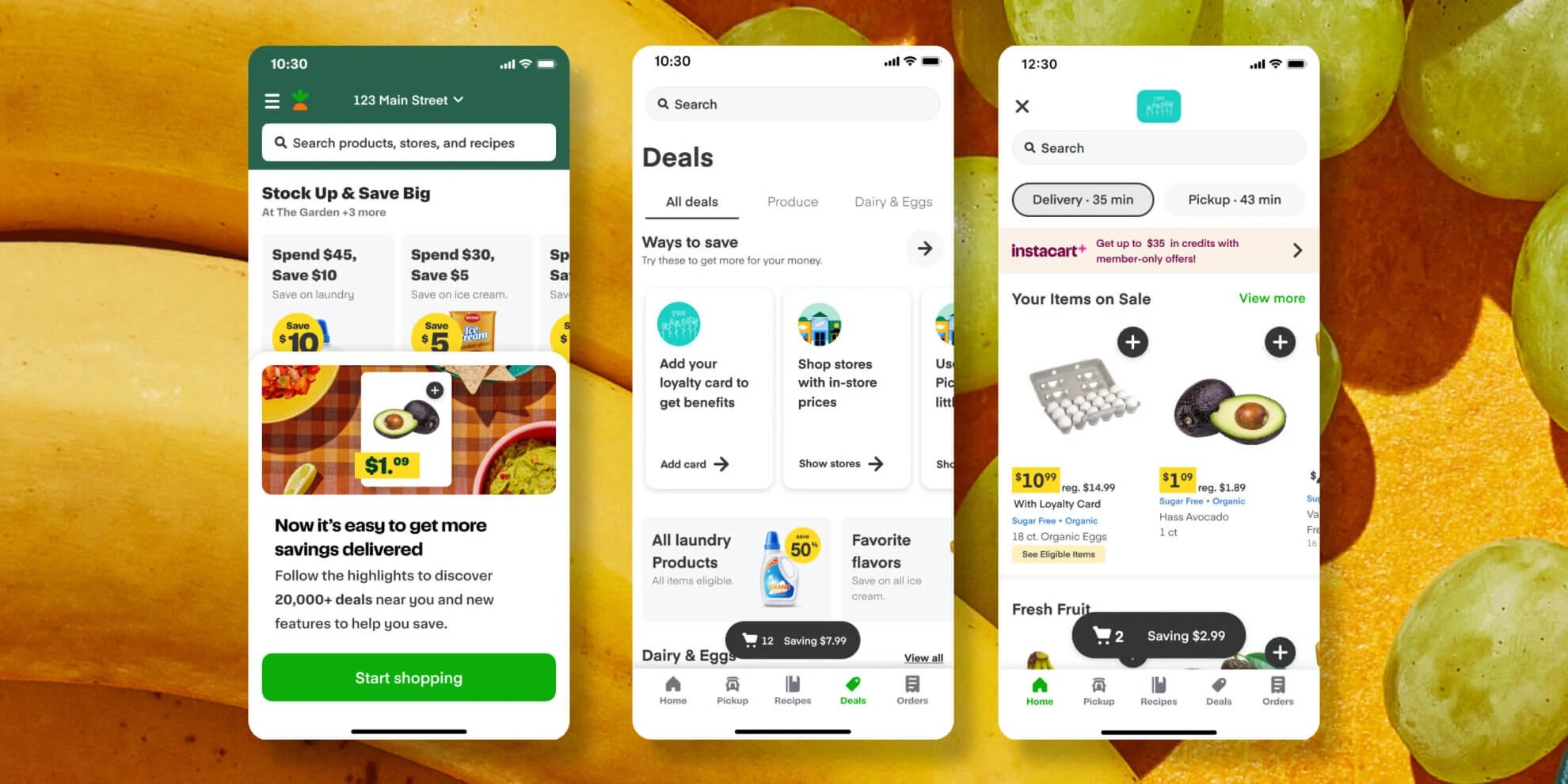
A recent investigative report from Consumer Reports has cast a shadow over the popular grocery delivery platform Instacart, alleging that the company employs sophisticated AI-driven dynamic pricing mechanisms that could result in substantial cost variations for identical products. The study claims that some consumers might be paying significantly more – in certain instances, up to 23% higher – than others for the very same items purchased through the service. This revelation reignites concerns about transparency and fairness in the burgeoning e-commerce landscape, particularly as digital platforms become increasingly integral to daily life for millions of Americans.
The Allegations Unveiled
The comprehensive study, a collaborative effort between Consumer Reports and research partner Groundwork Collaborative, meticulously documented instances of what they describe as "AI-led dynamic pricing experiments." These experiments were reportedly conducted across Instacart’s extensive network of retail partners, which includes prominent grocery chains such as Kroger, Albertsons, Costco, and Safeway. Researchers found that these price discrepancies were not isolated incidents but rather a systemic application of pricing strategies resulting in a differential cost experience for various shoppers accessing the same products from the same stores.
At the heart of these alleged practices is Eversight, a Software-as-a-Service (SaaS) product that Instacart acquired and integrated into its retailer platform in 2022. Eversight is marketed to grocers as a powerful tool designed to "unlock revenue growth" and offer "pricing solutions that scale your pricing strategy and uncover optimal prices your customers expect." While Instacart’s own Eversight page acknowledges that "some shoppers may see slightly higher prices" than others, the Consumer Reports study posits that the observed increases, reaching as high as 23%, far exceed what most consumers would consider "slightly higher." This substantial margin raises critical questions about the definition of acceptable price fluctuations and the ethical implications of such disparities, especially when applied to essential goods like groceries.
Instacart’s Response and Justification
In response to the serious allegations, Instacart referred to a previously issued public statement, emphasizing its commitment to affordability for its users. The company explained that its practices mirror long-standing traditions within the broader retail sector. "Just as retailers have long tested prices in physical stores to understand what resonates with customers," Instacart’s statement read, "a small subset of our retail partners — 10 U.S. retail partners that already choose to apply markups — use Instacart’s Eversight technology to run limited online pricing tests." This defense frames the dynamic pricing as a digital extension of conventional retail strategies, aimed at optimizing pricing for both retailers and, ostensibly, consumers by identifying optimal price points.
However, critics argue that the digital environment introduces layers of opacity and potential for manipulation that differ significantly from brick-and-mortar price adjustments. In a physical store, price changes are generally universal and visible to all customers simultaneously, allowing for direct comparison and informed choice. Online, algorithmic pricing can create individualized experiences, making it nearly impossible for consumers to detect if they are being charged differently from others. The discrepancy between Instacart’s description of "slightly higher prices" and the study’s finding of a 23% hike remains a central point of contention, fueling the debate over what constitutes acceptable market practice versus potentially exploitative tactics that could disproportionately affect certain consumer segments.
Understanding Dynamic Pricing
Dynamic pricing, also known by terms such as surge pricing, real-time pricing, or demand pricing, is a sophisticated strategy in which businesses set flexible prices for products or services based on current market demands. This practice has become increasingly prevalent across various industries over the past few decades, evolving significantly with technological advancements. Its origins can be traced to sectors like airlines and hotels, which have long adjusted fares and rates based on booking patterns, seat availability, and seasonal demand. More recently, ride-sharing services like Uber popularized surge pricing during peak hours or high demand periods, bringing the concept into mainstream consumer awareness for everyday services.
At its core, dynamic pricing leverages vast datasets and sophisticated algorithms, often powered by artificial intelligence and machine learning. These systems analyze a multitude of factors in real time, including but not limited to consumer behavior, individual purchase history, geographic location, device used for access, time of day, competitor pricing, inventory levels, and even external factors like weather patterns or local events. The overarching goal is to optimize revenue by identifying and charging the maximum price a customer is willing to pay at a given moment, or to strategically lower prices to stimulate demand during lulls. For businesses, this can lead to increased profitability, more efficient inventory management, and improved responsiveness to market fluctuations. For consumers, the impact is a mixed bag; while it can sometimes result in lower prices during periods of low demand or promotional events, it often translates to higher costs when demand is high or when the algorithm identifies a customer likely to pay more based on their browsing or purchasing profile. The advent of e-commerce and advanced data analytics has significantly expanded the capabilities and reach of dynamic pricing, allowing for granular, often individualized, price adjustments that were previously unfeasible in traditional retail.
Historical Precedents and Regulatory Landscape
The concept of price differentiation is not entirely new; retailers have historically offered varying prices in different geographic locations, through various sales channels, or via targeted promotions. However, the personalized, often invisible, and rapidly changing nature of AI-driven dynamic pricing introduces novel ethical and regulatory challenges that current legal frameworks are struggling to address.
Concerns about algorithmic pricing have surfaced in other sectors as well, indicating a broader trend. For instance, Amazon, another e-commerce giant, recently faced scrutiny following a separate report alleging that its dynamic pricing practices led to U.S. school districts paying inflated prices for essential school supplies compared to individual consumers. While Amazon swiftly refuted the report, calling it "flawed and misleading," these incidents underscore a growing societal unease with the opaque nature of automated pricing systems that operate behind digital storefronts.
Regulators globally are grappling with how to effectively address these emerging practices. Existing consumer protection laws often focus on deceptive advertising, price collusion, or explicit discrimination based on protected characteristics. However, algorithmic pricing often operates in a grey area, where price differences might not be explicitly deceptive but could be perceived as unfair, arbitrary, or even subtly discriminatory. There is an ongoing debate about whether current legal frameworks are adequate to ensure transparency and fairness in an era of highly personalized digital commerce. Legislators and consumer advocacy groups are increasingly calling for greater oversight, clearer disclosure requirements regarding how prices are determined, and potentially new regulations to prevent price gouging or subtle discrimination enabled by advanced AI systems. This discussion is vital for striking a balance between fostering innovation and protecting consumer interests.
Market and Social Impact
The implications of widespread dynamic pricing extend far beyond individual transactions, influencing broader market dynamics and societal equity. On a market level, pervasive dynamic pricing can distort competition by making accurate price comparisons incredibly difficult for consumers, thereby reducing price elasticity and consumer power. When shoppers cannot easily discern the "true" market price or compare offers effectively across platforms or even within the same platform, they are less likely to seek out better deals, which ultimately weakens competitive pressures among retailers.
Socially, the practice raises significant equity concerns. If algorithms inadvertently or deliberately charge higher prices to specific demographics, neighborhoods, or user profiles – perhaps those identified as having fewer alternative shopping options, greater reliance on delivery services, or perceived as less price-sensitive based on their data – it could exacerbate existing economic inequalities. For households reliant on grocery delivery services due to factors like mobility issues, lack of personal transportation, demanding work schedules, or childcare constraints, these variable and potentially inflated prices can disproportionately impact their already stretched budgets, especially for essential goods like food. The convenience offered by platforms like Instacart, while undeniably valuable, could inadvertently come at a hidden and fluctuating premium for those who might need the service most, highlighting a growing "digital divide" where online access to essential services might carry an invisible surcharge.
Furthermore, the lack of transparency inherent in algorithmic pricing erodes consumer trust. When shoppers feel they are being treated unfairly, manipulated, or that prices are being arbitrarily adjusted based on unseen factors, it can lead to frustration, resentment, and a reluctance to engage with platforms perceived as opaque or exploitative. Maintaining consumer confidence and trust is paramount for the long-term sustainability and growth of any digital service, particularly one dealing with essential everyday purchases that directly impact household financial well-being.
The Future of Algorithmic Pricing
As artificial intelligence and data analytics continue their rapid advancements, the sophistication of dynamic pricing models is only expected to grow. Future algorithms may incorporate even more granular data points, leading to increasingly personalized and potentially fleeting price offers that respond to real-time micro-fluctuations in demand and individual user context. This accelerating trend underscores the urgent need for robust discussions among industry leaders, policymakers, and consumer advocates to establish clear guidelines and ethical boundaries.
The intensifying scrutiny from influential consumer organizations like Consumer Reports is a clear signal that the status quo is being challenged. This will likely lead to greater regulatory attention, potentially prompting calls for stricter disclosure requirements regarding how prices are determined and whether they vary for different users. Some experts suggest that future regulations might mandate clearer labeling for dynamically priced items, require platforms to provide accessible tools for consumers to understand the factors influencing their personalized prices, or even impose limits on the permissible extent of price variation for identical products.
Ultimately, the ongoing debate around Instacart’s pricing practices, and similar controversies involving other tech giants, reflects a broader societal reckoning with the pervasive power of algorithms in our daily lives. As digital commerce becomes more deeply embedded in the fabric of society, the delicate balance between technological innovation, corporate profitability, and fundamental consumer fairness will remain a critical challenge. Ensuring that the efficiency and benefits of advanced analytics do not come at the expense of transparency, equity, and trust will be paramount for the continued healthy and responsible evolution of the digital marketplace.