Amir Mahmud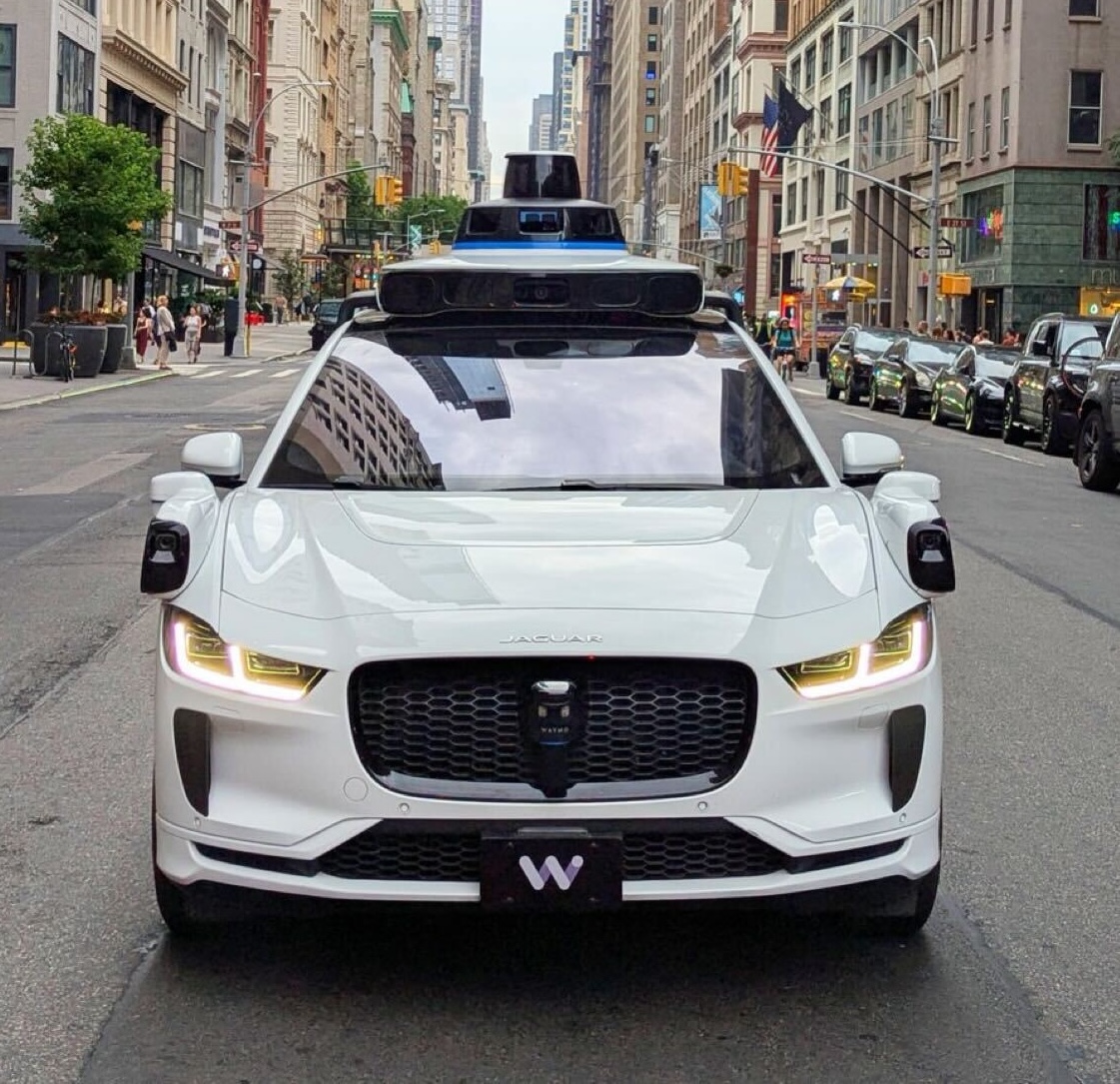
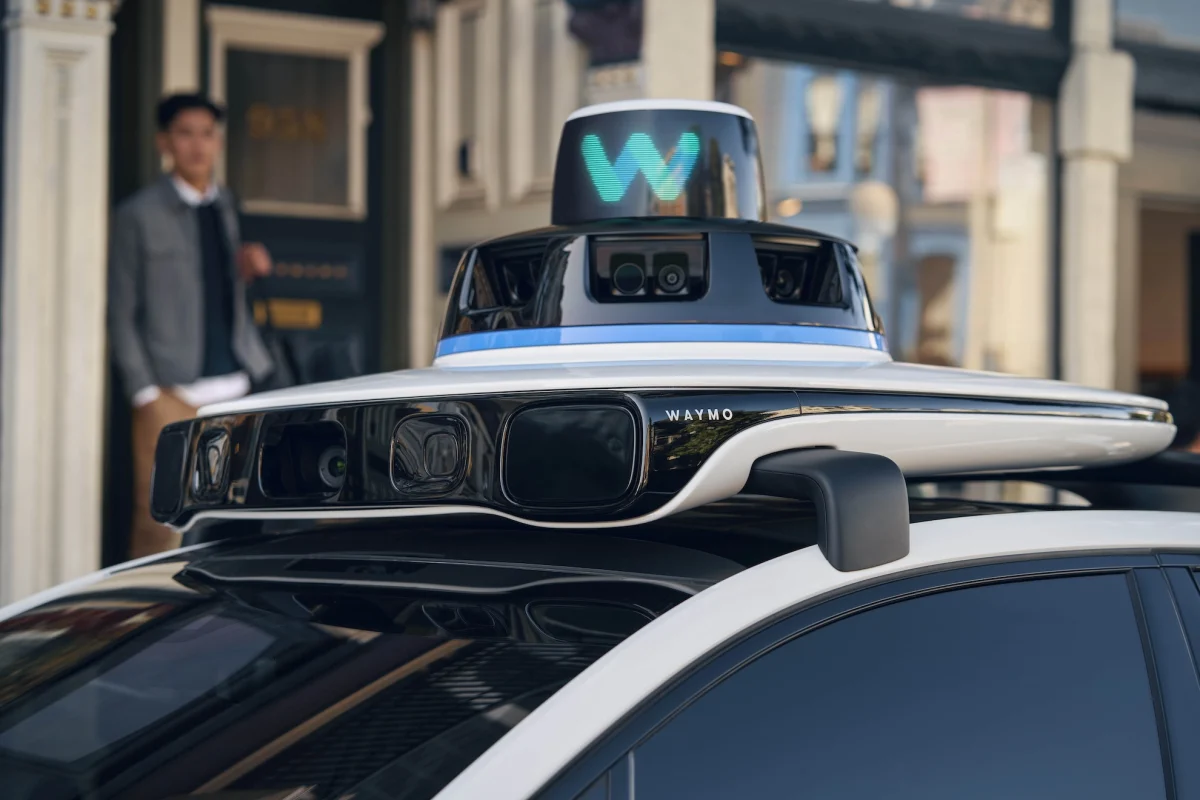
A remarkable intersection of advanced technology and the most fundamental human experience unfolded recently in San Francisco, as a pregnant woman delivered her baby inside a Waymo robotaxi while en route to UCSF Medical Center. This extraordinary event, occurring on a Monday night, marks a poignant moment in the ongoing narrative of autonomous vehicle integration into daily life, adding a unique chapter to the long-standing tradition of births outside hospital settings. The incident highlights both the capabilities of driverless technology and the unpredictable nature of life, prompting broader discussions about the future of mobility, emergency response, and public trust in AI-driven services.
A New Arrival Aboard a Driverless Journey
The evening began like many others in San Francisco, with a Waymo vehicle navigating the city’s intricate streets. However, what transpired inside the autonomous vehicle was anything but routine. As the pregnant passenger progressed rapidly in labor, Waymo’s remote operations team, monitoring the fleet, detected "unusual activity" within the cabin. This immediate detection capability, a cornerstone of Waymo’s safety protocols, allowed the remote team to swiftly contact 911. Despite the rapid response of emergency services, the autonomous vehicle demonstrated its efficiency, reaching UCSF Medical Center before paramedics could intercept. The successful delivery within the robotaxi underscores the unexpected scenarios that autonomous systems must be prepared for, transforming a standard ride into an impromptu delivery room.
This particular incident in San Francisco is not an isolated one for Waymo, as the company confirmed a similar birth previously occurred in one of its vehicles in Phoenix. Such occurrences, while rare, emphasize the increasing normalization of autonomous vehicles as a part of urban transit infrastructure. Following the San Francisco birth, the vehicle was promptly taken out of service for thorough cleaning and inspection, a standard procedure for any vehicle involved in such an event, whether human-driven or autonomous. The Waymo spokesperson’s lighthearted remark about "some of our newest riders just can’t wait to experience their first Waymo ride" encapsulates the blend of corporate branding and genuine awe surrounding these novel events.
The Evolution of Autonomous Mobility
Waymo, originally a project within Google, emerged as a pioneer in the autonomous vehicle (AV) space, officially becoming a standalone company under Alphabet Inc. in 2016. Its journey began much earlier, with Google’s self-driving car project launching in 2009. Over more than a decade, Waymo has accumulated millions of miles of real-world driving experience, initially on public roads with safety drivers and later transitioning to fully driverless operations in select cities. Phoenix, Arizona, served as the primary testing ground and first commercial service area for Waymo One, its ride-hailing service, before expansion to San Francisco, and more recently, Los Angeles.
The development of autonomous vehicles has been a complex endeavor, fraught with technological hurdles, regulatory challenges, and public skepticism. Early promises of widespread deployment often outpaced reality, as companies grappled with the intricacies of navigating unpredictable urban environments, adverse weather conditions, and human behavior. However, significant strides have been made in sensor technology, artificial intelligence, and machine learning, allowing AVs to perceive their surroundings with increasing accuracy and make complex driving decisions. The San Francisco incident serves as a testament to the maturation of these systems, demonstrating their ability to handle critical, albeit unplanned, human events with a degree of composure.
A Historical Continuum: Births Outside the Hospital
While a birth in an autonomous vehicle might seem like a futuristic marvel, the underlying phenomenon of babies being born en route to the hospital or outside a medical facility is a deeply ingrained part of human history and cultural narrative. For centuries, births primarily occurred at home, assisted by midwives. The shift towards hospital births became prominent in the 20th century, driven by advancements in medical science and the desire for improved maternal and infant mortality rates. Despite this shift, circumstances often dictate otherwise, leading to unexpected deliveries in a variety of non-clinical settings.
Stories abound of babies born in cars, taxis, ambulances, trains, and even planes. These "in-transit" births often become family legends, sometimes inspiring unique names for the newborns. The original article cited instances of babies named "Uber" in India and another born in an Uber during Shabbat in California. These anecdotes highlight a universal human experience that transcends geography and technological advancements. The Waymo birth merely extends this tradition into the realm of advanced robotics, adding another layer of intrigue to a timeless tale. It underscores that while technology evolves, the fundamental biological processes of life remain constant, occasionally intersecting with innovation in memorable ways.
Social and Cultural Implications
The birth in a Waymo vehicle carries significant social and cultural weight, influencing public perception of autonomous technology in multifaceted ways. On one hand, it can be viewed as a powerful endorsement of AV reliability. The fact that the vehicle successfully and safely transported a woman in active labor to a hospital, even before emergency medical personnel arrived, could bolster public confidence in the technology’s ability to handle unexpected and critical situations. This positive narrative is crucial for AV companies striving to overcome skepticism regarding safety and competence.
Conversely, such an event also raises questions about the human element in an increasingly automated world. While Waymo’s remote team was able to detect the "unusual activity" and call 911, the absence of a human driver inside the vehicle during a medical emergency might still feel unsettling to some. Traditional ride-share drivers often provide direct assistance or comfort in such scenarios, a role that an autonomous vehicle cannot replicate. This incident may prompt further discussions on the ideal level of human oversight and intervention in autonomous systems, particularly in sensitive situations involving health and safety. It also highlights the evolving nature of privacy in AVs, as remote monitoring capabilities mean that personal moments, even those as intimate as childbirth, can be observed by a distant human operator.
Market Impact and Future Considerations
For the autonomous vehicle market, this event serves as both a public relations boon and a catalyst for strategic thinking. From a marketing perspective, it’s an unforgettable story that humanizes the technology and showcases its utility in extreme circumstances. Such positive narratives can help accelerate adoption and investment in AV services.
However, it also brings to the forefront critical questions for AV operators and regulators. What are the protocols for medical emergencies in driverless cars? How should AVs be equipped to handle such situations, beyond simply contacting emergency services? Could future iterations of autonomous vehicles include basic first-aid kits, or even integrated communication systems for direct telemedicine consultation? The legal and liability frameworks for incidents occurring in AVs are still evolving, and an event like an unexpected birth could further complicate these discussions, particularly concerning medical outcomes or emergency response times.
The broader market impact also touches upon the potential for AVs in healthcare transport. While currently focused on general ride-hailing, the reliability demonstrated in this Waymo incident could pave the way for specialized medical transport services. Non-emergency patient transport, pharmaceutical delivery, or even providing accessible mobility for individuals with specific medical needs could all be areas where AVs offer significant advantages in efficiency and consistency. The integration of such technology could transform aspects of urban healthcare logistics, making access to medical facilities more seamless for many populations.
Analytical Commentary: The Human Touch in Automation
The San Francisco Waymo birth is a powerful metaphor for the ongoing integration of artificial intelligence into the fabric of human life. It represents a collision of the highly predictable (advanced algorithms, mapped routes, sensor data) with the utterly unpredictable (the miracle of childbirth). The fact that a remote human team intervened underscores the current reality of AV technology: it is not entirely autonomous but operates within a robust framework of human oversight and support. This hybrid model, often termed "supervised autonomy," is likely to persist for some time, especially as AVs tackle increasingly complex and sensitive scenarios.
This event also prompts reflection on the definition of "disruption." While autonomous vehicles are designed to disrupt traditional transportation models, the birth in the Waymo shows that some human experiences are immune to such technological reshaping. Instead, technology merely provides a new setting or context for these timeless events. The "proud tradition" of babies not making it to the hospital is not disrupted by the Waymo; rather, the Waymo becomes the latest stage for it. This blend of the novel and the traditional reminds us that technology, at its core, is a tool that serves human needs and experiences, however unexpected they may be.
As autonomous vehicles become more prevalent, incidents like this Waymo birth will likely become less sensational and more integrated into the everyday news cycle. Each such event, however, provides invaluable data and insights, pushing the boundaries of what autonomous systems can achieve and how they can safely and effectively coexist with human unpredictability. The journey of Waymo, and indeed all autonomous vehicle companies, is not just about perfecting the drive, but about seamlessly weaving these intelligent machines into the rich, messy, and miraculous tapestry of human existence.



 Azin Asro