Amir Mahmud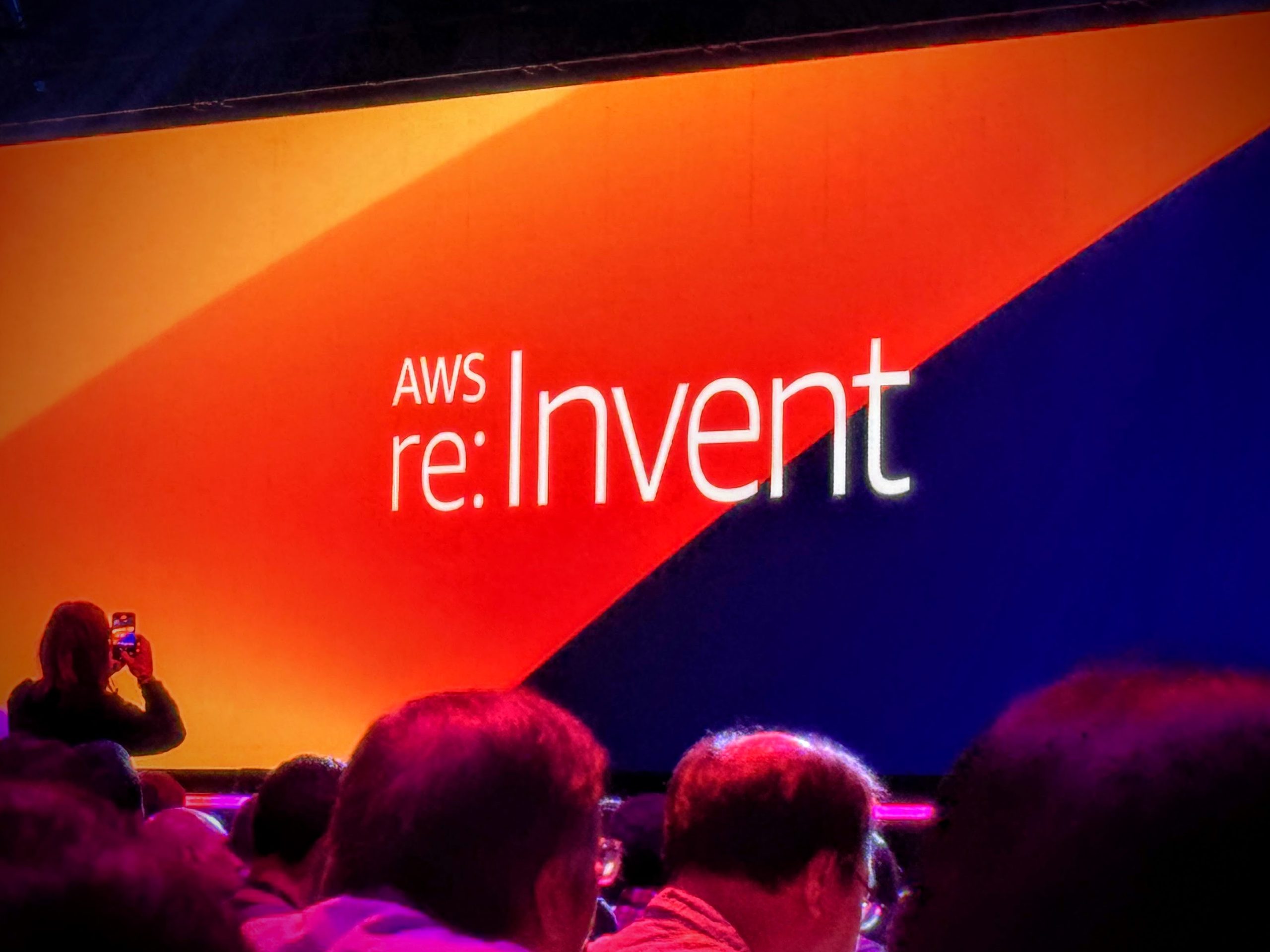
The annual re:Invent conference, a flagship event for Amazon Web Services (AWS), served as an unmistakable declaration of the cloud computing giant’s unwavering commitment to artificial intelligence. From its opening keynotes to the myriad of technical sessions and product reveals, AI permeated every facet of the event, signaling a profound strategic pivot for the industry leader. AWS unveiled a sweeping array of innovations, spanning sophisticated AI agents designed to automate complex workflows, significantly enhanced large language models (LLMs) such as the Nova family, and comprehensive platforms empowering customers to build bespoke AI solutions. The pervasive presence of AI for enterprise was undeniable, with new capabilities announced for agent builders and foundational models. However, amidst this torrent of innovation, a crucial question lingers: are the enterprise customers, upon whom AWS’s prosperity ultimately depends, truly prepared to integrate and capitalize on these advanced AI capabilities?
The AI Showcase: A Vision for the Future
AWS re:Invent has historically been a barometer for the state of cloud technology, and this year, it unequivocally pointed towards an AI-driven future. The sheer volume and ambition of the AI-related announcements underscored AWS’s intent to not merely participate but to lead in the burgeoning AI market. Key revelations included the preview of AI agents like Kiro, touted for its ability to autonomously generate code over extended periods, alongside a suite of new services aimed at simplifying the creation and deployment of custom LLMs. These offerings are designed to empower businesses to harness AI for a vast spectrum of applications, from customer service automation and content generation to complex data analysis and operational optimization.
The strategic imperative for AWS is clear: to extend its dominance from foundational cloud infrastructure to the higher-value layer of AI services. By offering a comprehensive ecosystem—from specialized AI chips like Trainium and Inferentia, designed for training and inference, to fully managed AI services and development tools—AWS aims to provide an end-to-end solution for enterprises looking to embed AI into their operations. This integrated approach seeks to streamline the entire AI lifecycle, from data preparation and model training to deployment and management, all within the familiar and secure AWS cloud environment.
Enterprise Readiness: A Chasm Between Vision and Reality
While AWS’s technological showcase was undeniably impressive, a palpable tension emerged between the company’s forward-looking vision and the current state of enterprise AI adoption. AWS CEO Matt Garman, during his keynote address, candidly acknowledged that many organizations have yet to realize a tangible return on their AI investments. Despite this, Garman articulated a vision of imminent transformation, asserting that the emergence of AI agents represents a pivotal moment, shifting AI from a mere technical marvel to a potent driver of concrete business value. He boldly predicted that this shift would exert an impact on businesses comparable to that of the internet or cloud computing itself.
However, industry analysts, while commending the technical prowess demonstrated by some of AWS’s new offerings, expressed reservations regarding their immediate impact on widespread enterprise AI adoption. There is a discernible gap between the cutting-edge capabilities presented by AWS and the operational realities faced by many businesses. Naveen Chhabra, a principal analyst at Forrester, articulated this sentiment, suggesting that AWS might be innovating "far too ahead" of the current enterprise maturity curve. He noted that a significant number of organizations are still in the nascent stages of AI exploration, conducting pilot projects and grappling with foundational data infrastructure and governance, rather than being prepared to deploy highly sophisticated, agent-driven systems at scale.
This observation aligns with broader industry data. A widely circulated MIT study conducted in August starkly revealed that a staggering 95% of enterprises had not yet observed a positive return on their AI investments. This statistic underscores a critical challenge: the journey from AI conceptualization to measurable business value is often fraught with complexities, including data quality issues, a shortage of skilled talent, integration hurdles with legacy systems, and the absence of clear business cases or strategic alignment. For many enterprises, the immediate focus remains on understanding the fundamentals of AI, building internal capabilities, and identifying practical applications that yield incremental gains, rather than immediately embracing the most advanced, transformative solutions.
AWS’s Strategic Position in the Evolving AI Landscape
Amazon Web Services has long been the undisputed leader in cloud infrastructure, providing the foundational computing power, storage, and networking services that underpin a vast segment of the digital economy. This dominance provides a robust platform for its AI ambitions. However, its standing in the burgeoning market for ready-to-use enterprise AI models, particularly large language models, presents a different picture. Here, AWS faces formidable competition from established AI research powerhouses and fellow tech giants.
Companies like Anthropic, OpenAI, and Google have established a considerable lead in this specific segment, with their flagship models frequently cited as preferred choices for enterprise deployments seeking cutting-edge performance and versatility. These competitors have invested heavily in foundational AI research and development, often making their models available through APIs, allowing businesses to integrate advanced AI capabilities without managing the underlying infrastructure.
Nevertheless, AWS possesses a formidable strategic advantage through its integrated ecosystem. By developing its own custom AI training chips, like Trainium, and inference chips, like Inferentia, and vertically integrating these with its comprehensive cloud infrastructure, AWS aims to offer an end-to-end solution optimized for performance, cost, and security within its own environment. This "silicon-to-service" approach promises a degree of control and efficiency that pure-play AI model providers might struggle to match, particularly for organizations deeply invested in the AWS cloud. This strategy allows AWS to provide customers with more flexibility and control over their AI deployments, including the ability to run models on dedicated infrastructure.
The Infrastructure Advantage: A Foundation for AI Growth
Equity strategist Ethan Feller of Zacks Investment Research underscored the significance of AWS’s infrastructure-centric announcements over its new AI models and agents. Feller highlighted the "AWS AI factory" initiative, which empowers customers to deploy AWS AI capabilities within their own on-premises data centers, as particularly compelling. This offering, often leveraging hybrid cloud architectures, resonates strongly with enterprises that have stringent data residency requirements, regulatory compliance mandates, or significant existing on-premises investments they wish to integrate with cloud-native AI services.
This strategy plays directly to AWS’s core strengths, leveraging its deep expertise in cloud architecture, data center management, and providing scalable, reliable computing resources. By focusing on the "rails" upon which AI models run, AWS positions itself as an indispensable enabler, regardless of which specific AI model or vendor gains prominence. This approach solidifies its role as the foundational provider for the entire AI industry, much as it did for the broader cloud computing revolution.
While AWS is making a clear vertical play in AI, developing its own models and agents, Feller also suggested that strategic alliances with other leading AI innovators, such as Anthropic for models or Nvidia for specialized hardware, could further bolster its position. Such partnerships would allow AWS to offer its customers a wider array of choices and best-of-breed solutions, while still providing the underlying infrastructure and integration services. This flexible approach could cater to the diverse needs of enterprises, some of whom may prefer to use third-party models on AWS infrastructure, while others might opt for AWS’s proprietary offerings.
Historical Context and Market Dynamics
The trajectory of cloud computing, pioneered and largely defined by AWS since its inception in 2006, laid the groundwork for the current AI revolution. The ability to access on-demand, scalable computing resources has been fundamental to the development and deployment of complex AI models, which demand immense computational power. The recent explosion of generative AI, particularly large language models, has captivated the technological landscape, sparking a new wave of innovation and investment. This paradigm shift, from rules-based AI to more adaptive, learning systems, has profound implications across all industries, promising to reshape how businesses operate, interact with customers, and develop new products and services. AWS’s current strategy at re:Invent can be seen as a natural evolution, adapting its foundational infrastructure prowess to support and drive the next generation of computing.
The current fervor around AI mirrors previous technological booms, prompting discussions about potential "bubble" scenarios. While the transformative potential of AI is widely acknowledged, the rapid pace of innovation and high valuations of AI-focused startups have led some observers to caution against excessive speculation. Beyond the financial implications, the rapid advancement of AI carries significant societal and cultural ramifications. Questions surrounding job displacement, the ethical deployment of autonomous agents, data privacy, algorithmic bias, and the need for robust regulatory frameworks are central to public discourse. Enterprises are navigating this complex landscape, often adopting a cautious, iterative approach to AI integration. This involves not only technical considerations but also significant organizational change management, upskilling workforces, and establishing robust governance frameworks to ensure responsible and effective AI deployment.
Navigating the Hype Cycle: A Path Forward
Despite the prevailing skepticism regarding immediate enterprise AI ROI, AWS stands on a robust financial foundation. Reporting $11.4 billion in operating income in a recent quarter, its core cloud infrastructure business provides a stable bedrock, regardless of the fluctuating fortunes of the more speculative AI market. This financial strength grants AWS considerable latitude to experiment, refine its AI offerings, and pursue a long-term vision without being solely driven by short-term adoption metrics.
AWS’s position as the underlying "rails" for much of the digital economy means it is inherently less susceptible to the boom-and-bust cycles that might impact pure-play AI model providers. Even if the AI industry experiences a downturn or a "cooling off" period, the demand for foundational cloud services, including the infrastructure required to run AI workloads, will persist. This resilience allows AWS to make strategic, long-term investments in AI research and development, continuously improving its offerings even if immediate enterprise adoption is gradual.
The message for AWS, therefore, is clear: even if current enterprise readiness lags behind its ambitious technological advancements, the continuous development and refinement of its AI portfolio remain critical for securing its future relevance and leadership in the evolving digital economy. The journey from cutting-edge innovation to widespread, value-generating enterprise adoption is often protracted, marked by both technical hurdles and organizational inertia. As the foundational enabler of much of the world’s digital infrastructure, AWS is uniquely positioned to shape this future, even if the immediate impact of its most ambitious AI offerings takes time to materialize within the broader enterprise landscape. Its strategy is a long game, betting on its foundational strength to eventually convert its AI vision into pervasive reality for its vast customer base.