Amir Mahmud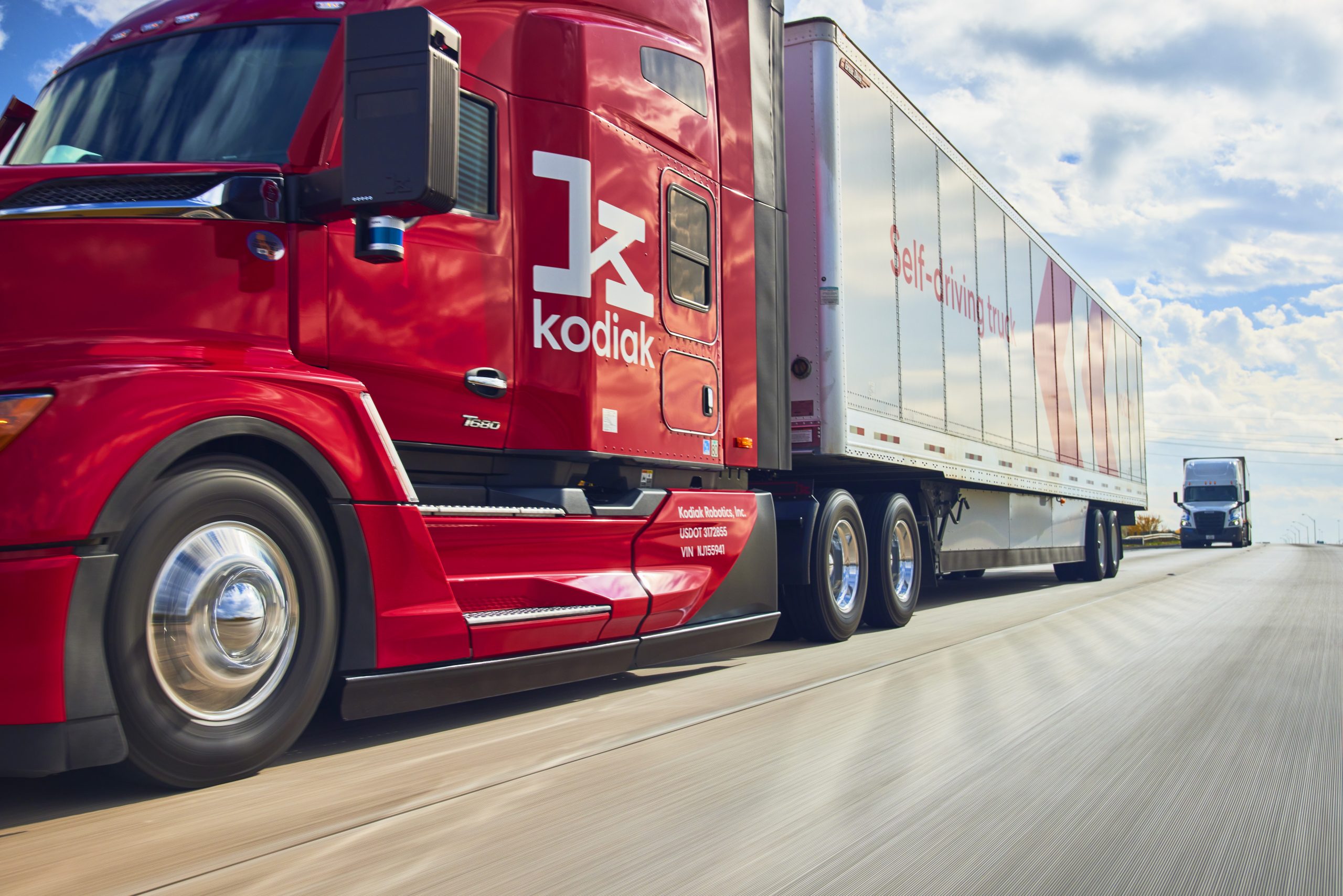
California’s long-standing prohibition on autonomous heavy-duty trucks operating without a human driver on public roadways appears poised for a dramatic reversal, as state regulators have unveiled updated rules that would pave the way for both testing and eventual deployment of these advanced vehicles. The California Department of Motor Vehicles (DMV), the governmental body tasked with overseeing autonomous vehicle technologies within the state, has initiated a 15-day public comment period for these proposed revisions, scheduled to conclude on December 18. This regulatory shift could fundamentally reshape the logistics industry and ignite a significant debate over economic opportunities, worker protections, and public safety.
The Golden State’s Autonomous Vehicle Paradox
For years, California has presented a unique paradox in the realm of autonomous vehicles (AVs). The state is widely recognized as a global epicenter for AV innovation, home to countless technology companies and startups actively developing cutting-edge driverless systems. Its vibrant ecosystem of research institutions, venture capital, and engineering talent has fostered rapid advancements in the field. Consequently, driverless robotaxis have become an increasingly common sight in bustling urban centers like San Francisco and parts of Los Angeles, navigating complex city streets and carrying passengers commercially. However, a critical distinction has historically separated light-duty autonomous vehicles from their heavier counterparts: a firm regulatory ban on driverless vehicles exceeding 10,000 pounds from operating on public roads for testing or deployment. This legislative barrier effectively prevented the rollout of autonomous trucks, buses, and other large commercial vehicles within the state, even as development flourished.
This restriction meant that many California-based companies pioneering autonomous trucking technology were compelled to conduct their crucial real-world testing and early deployments in other states, notably Texas, Arizona, and Nevada, which offered more permissive regulatory environments. While these companies maintained their headquarters and research facilities in California, the actual proving grounds for their heavy-duty systems were located thousands of miles away. The 10,000-pound threshold effectively created a two-tiered system for autonomous vehicle regulation, with robotaxis receiving a clear path to commercialization while autonomous freight remained largely sidelined. The DMV has been contemplating the removal of this ban for several years, recognizing the growing maturity of the technology and the economic implications of its continued absence from the state’s highways. A preliminary draft of the proposed changes circulated earlier in the year, culminating in the release of the final proposed revisions this past Wednesday.
Broader Regulatory Revisions and the Trucking Focus
Beyond the headline-grabbing changes for self-driving trucks, the revised regulations encompass several other significant adjustments affecting the broader autonomous vehicle landscape. One notable inclusion is language designed to empower law enforcement agencies to issue traffic citations to driverless vehicles. This provision addresses a growing practical concern, particularly as commercial robotaxi operations have expanded significantly across California. Instances of driverless vehicles impeding traffic or operating improperly have occasionally arisen, highlighting the need for clear protocols for accountability and enforcement in the absence of a human driver.
However, despite these other important revisions, the component pertaining to self-driving trucks unquestionably represents the most contentious and widely discussed aspect of the proposed regulatory overhaul. The DMV explicitly stated that these latest revisions incorporate extensive feedback gathered during an initial public comment period held earlier in the spring, underscoring the depth of engagement and varied perspectives surrounding the issue. The sheer scale of heavy-duty trucks, their critical role in the supply chain, and the potential for significant economic and social disruption make their autonomous operation a subject of intense scrutiny and passionate debate.
Industry Optimism and the Promise of Efficiency
The proposed lifting of the ban has been met with considerable enthusiasm by companies actively developing autonomous vehicle technology for the trucking sector. Many of these innovators, as previously noted, are strategically headquartered in California, yet have been forced to conduct their vital operational testing in more accommodating states like Texas. Companies such as Aurora Innovation and Kodiak AI are at the forefront of this technological revolution, envisioning a future where self-driving trucks seamlessly transport freight along major commerce-heavy interstate freeways, enabling coast-to-coast autonomous operations.
The potential benefits articulated by industry proponents are substantial and wide-ranging. They argue that autonomous trucks offer the promise of significantly enhanced road safety. Human error is a contributing factor in a vast majority of traffic accidents, and proponents suggest that meticulously programmed and constantly monitoring autonomous systems could dramatically reduce collision rates, particularly those caused by driver fatigue or distraction on long hauls. Furthermore, the economic advantages are touted as transformative. Autonomous trucks could operate continuously, twenty-four hours a day, seven days a week, with minimal downtime, leading to vastly improved logistical efficiency and reduced shipping times. This continuous operation could help alleviate chronic driver shortages that have plagued the trucking industry for years, a challenge that has only been exacerbated by recent global supply chain disruptions. Reduced fuel consumption through optimized driving patterns and platooning technologies could also lead to lower operating costs for carriers and potentially more affordable goods for consumers.
Daniel Goff, Vice President of External Affairs at Kodiak AI, articulated the industry’s perspective, stating in an emailed statement, "The California DMV’s latest draft regulations show real progress toward creating a regulatory framework for driverless trucks in the state and unlocking coast-to-coast autonomous operations. These proposed regulations are a critical step towards bringing autonomous trucks to California freeways in 2026, a milestone that will enhance road safety and grow the economy." This sentiment reflects a broader industry expectation that California’s participation is crucial for the widespread adoption and scaling of autonomous trucking across the nation, given the state’s economic heft and strategic location as a major gateway for international trade.
Labor’s Fierce Opposition and Safety Concerns
In stark contrast to the industry’s optimistic outlook, organized labor, particularly the Teamsters Union, remains steadfast in its opposition to the deployment and testing of driverless heavy-duty trucks. The Teamsters, a powerful and influential union representing hundreds of thousands of truck drivers across the nation, view the rise of autonomous trucking as an existential threat to their members’ livelihoods and the stability of the trucking profession. Their concerns extend beyond mere job displacement, encompassing broader issues of safety, worker protections, and the ethical implications of automating a critical industry.
Shane Gusman, the legislative director for Teamsters California, unequivocally reiterated the union’s stance: "Our position remains the same, we are opposed to the deployment and testing of this technology on our roads. The changes that are made don’t change our position." This resolute opposition highlights a fundamental ideological divide between the proponents of technological advancement and the advocates for human labor and traditional employment models. The union argues that the economic benefits touted by AV companies come at the direct expense of hardworking individuals who have built their careers in the trucking industry. The potential for mass layoffs and a significant reduction in the demand for human truck drivers is a primary driver of their resistance.
Beyond job concerns, the Teamsters also voice profound safety reservations. While AV companies emphasize the safety benefits of autonomous systems, the union points to the complexities of real-world driving conditions, unpredictable human behavior on the roads, and the inherent risks associated with operating massive, heavy vehicles. They question the readiness of autonomous technology to handle every conceivable scenario safely, particularly in adverse weather, complex traffic situations, or unexpected mechanical failures. To counter the DMV’s proposed changes, the Teamsters have vowed to vigorously fight the revisions and are actively lobbying for the passage of AB 33, a bill currently under consideration in the state Senate. This legislative initiative seeks to mandate the presence of a human safety operator behind the wheel of any heavy-duty autonomous truck, effectively ensuring that human oversight remains a non-negotiable component of autonomous commercial vehicle operation in California. This bill represents a direct legislative challenge to the DMV’s proposed loosening of restrictions and underscores the union’s determination to protect its members and influence the future of the industry.
Navigating the Regulatory Framework
The California DMV’s revised regulations introduce a carefully structured, phased permitting process for self-driving truck companies, mirroring the established framework currently applied to light-duty autonomous vehicles such as robotaxis. This multi-stage approach is designed to ensure a methodical and safety-focused progression from initial testing to full deployment. Initially, companies would be granted a permit solely for testing their autonomous heavy-duty vehicles with a human safety operator present behind the wheel. This phase allows for extensive data collection and system refinement in real-world conditions while maintaining a human safety net.
Following successful completion of this initial phase, the DMV issues separate permits for driverless testing, where the vehicle operates autonomously without a human in the driver’s seat, and subsequently, for full deployment, which allows for commercial operation. The proposed rules also stipulate rigorous requirements for manufacturers regarding the extent of testing conducted prior to applying for driverless permits. For instance, self-driving truck companies would need to accumulate a minimum of 500,000 autonomous test miles. Critically, 100,000 of these miles must be completed within the intended operational design domain (ODD) in California, ensuring that the systems are adequately tested in the specific environments where they are intended to operate within the state. This substantial mileage requirement reflects a cautious approach, aiming to build confidence in the technology’s reliability and safety before granting wider operational permissions.
Furthermore, the DMV’s proposed revisions extend to existing regulations governing light-duty autonomous vehicles. These updates aim to enhance transparency and oversight by expanding the frequency and type of data that companies must report to the department during both testing and deployment phases. Additionally, companies will be required to update their plans for interacting with first responders on a more regular basis. This particular provision is crucial for ensuring that emergency services are well-informed and equipped to handle incidents involving autonomous vehicles, a growing necessity as these technologies become more prevalent on public roads.
Broader Implications for Autonomous Mobility
California’s decision carries immense weight, not just for the state’s economy but for the entire landscape of autonomous mobility across the United States. As the nation’s largest economy and a major hub for technological innovation, California often sets precedents that influence other states and even federal policy. If these regulations are finalized, California could become a crucial testing ground and operational corridor for autonomous freight, linking major ports and logistics hubs. This could accelerate the development and commercialization of self-driving trucks nationwide, creating a network of autonomous freight lanes.
However, the path forward is fraught with challenges and complex considerations. The social impact, particularly on the trucking workforce, cannot be overstated. While industry proponents argue that autonomous trucks will create new jobs in areas like remote supervision, maintenance, and data analysis, the direct displacement of millions of long-haul truck drivers remains a significant concern. Policymakers will face the daunting task of balancing technological progress and economic efficiency with the need for social equity and worker support programs.
Public perception also plays a pivotal role. The recent experiences with robotaxis, while largely positive, have also highlighted public apprehension and occasional operational glitches that garnered significant media attention. Gaining public trust for much larger, heavier autonomous vehicles will require a robust safety record, transparent communication, and clear regulatory oversight. The debate surrounding driverless trucks in California encapsulates a broader societal discussion about the future of work, the ethics of automation, and the fundamental balance between innovation and human well-being.
Looking Ahead: A Contested Future
As the public comment period progresses, stakeholders from all sides will undoubtedly intensify their advocacy. The Teamsters Union is expected to mobilize its considerable resources to challenge the proposed revisions, both through public discourse and legislative channels. Simultaneously, autonomous vehicle companies will continue to emphasize the safety and economic benefits, eager to unlock the vast Californian market.
The ultimate outcome of this regulatory process will have far-reaching implications. If the revisions are adopted as proposed, California will transition from a restrictive outlier to a leading state in fostering autonomous heavy-duty trucking. This shift would not only open new commercial avenues for AV companies but also force a national conversation about the regulatory harmonization needed to support cross-state autonomous freight operations. The journey towards a future dominated by driverless trucks on California’s highways is poised to be a complex and contested one, marking a significant chapter in the ongoing evolution of transportation and labor in the modern era.