Amir Mahmud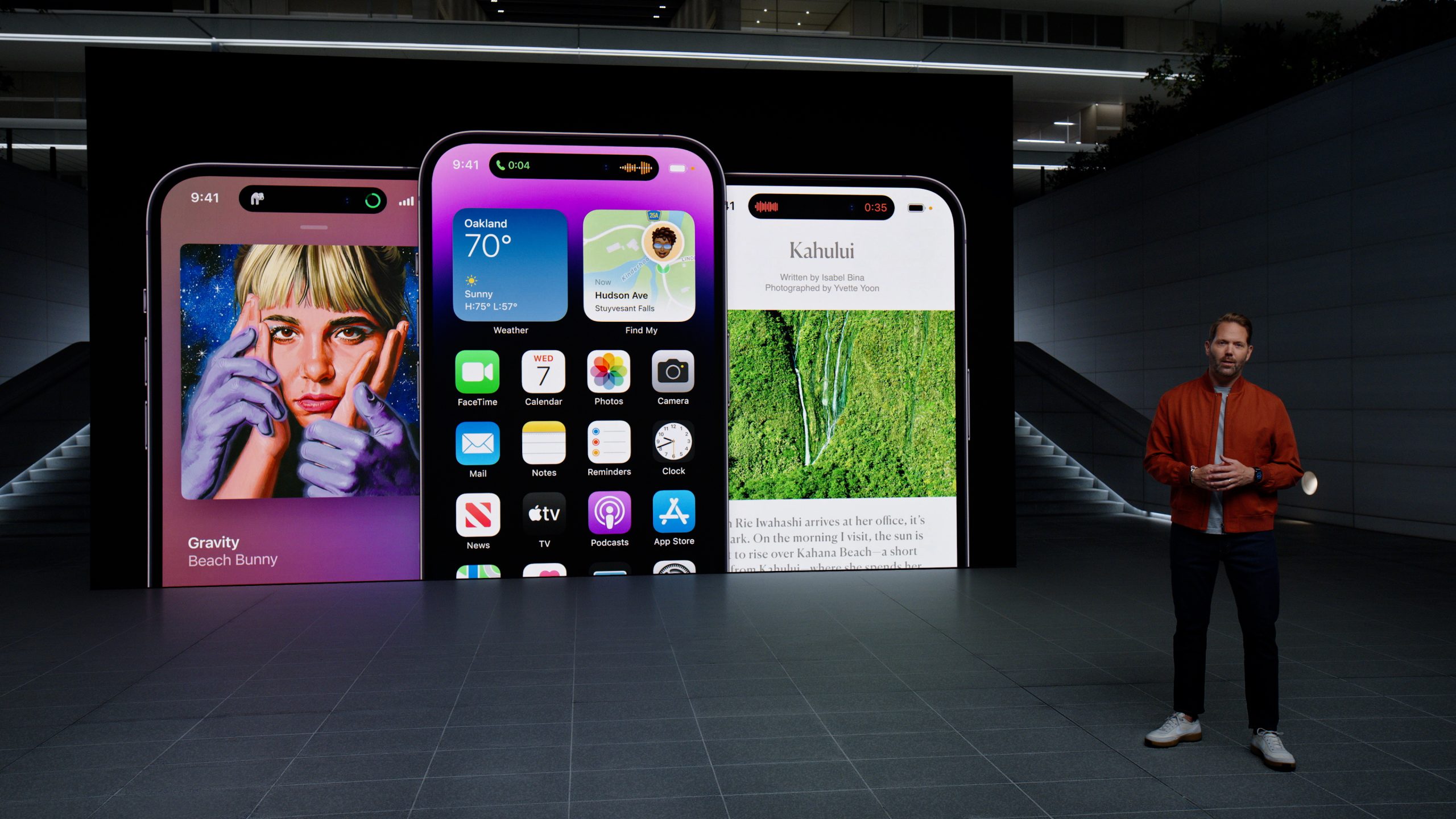
In a significant strategic maneuver shaking the foundations of Silicon Valley’s talent landscape, Alan Dye, a pivotal figure in Apple’s user interface design leadership for the past decade, has departed the Cupertino giant to assume a leading role at Meta. This high-profile recruitment represents a profound statement from Meta, underscoring its relentless pursuit of leadership in the burgeoning fields of augmented reality (AR), virtual reality (VR), and artificial intelligence (AI), particularly as it doubles down on developing consumer-facing devices. Dye’s transition marks a critical juncture for both tech behemoths, with Meta gaining a seasoned expert known for crafting intuitive and aesthetically refined user experiences, while Apple navigates the continuity of its design legacy.
Alan Dye’s Enduring Legacy at Apple
Alan Dye’s tenure at Apple was characterized by his profound influence on some of the company’s most iconic and widely adopted products. Joining Apple in 2006, he rose through the ranks to become the vice president of user interface design, a role that placed him at the heart of shaping how millions of users interact with Apple’s ecosystem daily. His fingerprints are prominently on iOS, particularly during its significant design overhaul with iOS 7, which introduced a flatter, more modern aesthetic that subsequently influenced countless other software interfaces across the industry. Beyond the iPhone and iPad, Dye was instrumental in the conceptualization and refinement of the Apple Watch interface, a device that demanded an entirely new approach to interaction design due to its small form factor and wearable nature. He championed a philosophy rooted in simplicity, elegance, and user-centricity, ensuring that complex technologies felt accessible and enjoyable.
Apple’s design ethos, famously cultivated under the late Steve Jobs and Jony Ive, has long been a cornerstone of its brand identity and market differentiation. This philosophy emphasizes meticulous attention to detail, seamless integration of hardware and software, and an unwavering commitment to the user experience. Dye’s work embodied this tradition, contributing to Apple’s reputation for products that are not only functional but also delightful to use. His departure prompts questions about the future trajectory of Apple’s design leadership, even as CEO Tim Cook has publicly affirmed Steve Lemay, a veteran designer with a history spanning back to 1999, as Dye’s successor. Lemay, credited with playing a "key role in the design of every major Apple interface," is expected to uphold the company’s established design principles, yet the loss of a figure with Dye’s specific vision and leadership experience is undeniably substantial.
Meta’s Bold Leap into Spatial Computing
For Meta, the acquisition of Alan Dye is far more than a simple talent transfer; it is a strategic reinforcement of its long-term vision centered on the metaverse and spatial computing. The company, through its Reality Labs division, has committed billions of dollars annually to developing advanced hardware and software for AR and VR. This includes a range of devices from sophisticated VR headsets like the Quest series to ambitious projects like smart glasses that aim to seamlessly blend digital information with the physical world. The challenge for Meta, and indeed for the entire industry, lies in making these nascent technologies appealing, intuitive, and ultimately indispensable for a mass consumer market.
The current landscape of AR/VR adoption is still in its infancy, marked by high entry costs, technical complexities, and user experiences that can sometimes feel cumbersome or isolating. This is precisely where Dye’s expertise becomes invaluable. His proven ability to distil complex technologies into elegant, user-friendly interfaces, honed over years at Apple, positions him as a critical asset in Meta’s quest to bridge the gap between futuristic concepts and everyday usability. Meta’s Chief Technology Officer, Andrew Bosworth, to whom Dye will directly report, has often emphasized the importance of design in making spatial computing a reality. Securing a leader like Dye signals Meta’s recognition that hardware innovation alone is insufficient; compelling user interface and experience design will be the ultimate determinant of success in this next computing paradigm.
Forging the Future: The New Creative Studio
Mark Zuckerberg, Meta’s CEO, wasted no time in unveiling the immediate impact of Dye’s arrival. Shortly after the news broke, Zuckerberg announced the formation of a brand-new "creative studio" within Reality Labs, to be spearheaded by Dye. This studio is envisioned as a nexus where design, fashion, and technology converge, with the explicit goal of defining "the next generation of our products and experiences." The structure of this new team is telling, bringing together a diverse array of design leaders under Dye’s command. This includes Billy Sorrentino, another former Apple designer who has been leading interface design across Reality Labs; Joshua To, also a key figure in Reality Labs’ interface design; Pete Bristol, who leads Meta’s industrial design team; and Jason Rubin, overseeing metaverse design and art teams.
This integrated approach highlights Meta’s understanding that the future of spatial computing requires a holistic design strategy. It’s not just about the software interface, but also the physical aesthetics of the hardware (industrial design), the immersive qualities of virtual environments (metaverse art), and crucially, how these technologies integrate into users’ lives, potentially influencing fashion and social norms. Zuckerberg’s vision for the studio is to "treat intelligence as a new design material and imagine what becomes possible when it is abundant, capable, and human-centered." This philosophical underpinning suggests a shift towards designing with AI not just as a feature, but as a foundational element that informs every aspect of the user experience, making interactions more natural, predictive, and intuitive. Elevating design to such a central role within Meta, and assembling a team with such a blend of "craft, creative vision, systems thinking, and deep experience building iconic products that bridge hardware and software," reflects an urgent and ambitious push to redefine how humans interact with technology.
The Intensifying Tech Talent War
Dye’s recruitment is not an isolated incident but rather a prominent example of the escalating talent war gripping the technology sector, particularly in the high-stakes domains of AI and spatial computing. Meta has demonstrated an aggressive strategy in attracting top-tier talent from its rivals. This past summer, the company reportedly poached several key researchers from OpenAI, a leader in generative AI, showcasing its commitment to building formidable AI capabilities in-house. Anecdotal accounts, such as Meta CEO Mark Zuckerberg allegedly hand-delivering homemade soup to an OpenAI employee during a recruitment drive, illustrate the lengths to which tech giants are willing to go to secure the best minds. OpenAI’s chief research officer, Mark Chen, humorously responded by delivering his own soup to promising Meta recruits, underscoring the fierce, yet sometimes lighthearted, nature of this competitive environment.
This migration of talent has significant implications for the broader industry. It signifies that companies are increasingly viewing human capital, especially in specialized areas like design and AI research, as a critical competitive advantage. The ability to attract and retain individuals with a proven track record of innovation and leadership can accelerate product development, refine user experiences, and ultimately determine market leadership. For Meta, bringing in design leadership from Apple—a company synonymous with user-friendly innovation—alongside AI experts from OpenAI, signals a comprehensive strategy to build a robust foundation for its future product roadmap, spanning both hardware and the intelligent software that powers it.
Market and Cultural Impact of Design-Driven Spatial Computing
The success or failure of Meta’s ventures into AR and VR will have profound market and cultural ramifications. If Dye and his new creative studio can indeed imbue Meta’s smart glasses and VR headsets with Apple-esque levels of intuitiveness and desirability, it could significantly accelerate mainstream adoption of spatial computing. This would not only position Meta as a formidable competitor to other players like Apple (with its Vision Pro) and Google (with its own AR initiatives) but also expand the entire market for immersive technologies.
Culturally, superior design can overcome critical barriers to adoption. Early AR/VR devices have often struggled with issues of social acceptability, clunky aesthetics, and steep learning curves. By focusing on "design, fashion, and technology," Meta aims to make these devices not just functional, but also stylish and seamlessly integrated into daily life. Imagine smart glasses that are as fashionable as designer eyewear, or VR experiences that are as effortless to navigate as a smartphone app. Such developments could fundamentally alter how people work, communicate, learn, and entertain themselves, moving spatial computing from a niche technology to an everyday utility. The emphasis on "human-centered AI" also suggests a future where technology adapts to the user, rather than the other way around, potentially leading to more natural and less intrusive digital interactions.
Navigating Challenges and the Road Ahead
Despite the undeniable coup of hiring Alan Dye, Meta faces considerable challenges in its ambitious pursuit. Integrating a leader from Apple, a company known for its highly centralized and often secretive design process, into Meta’s more open and experimental culture could present integration hurdles. The corporate philosophies and operational structures of the two tech giants are vastly different, and Dye will need to adapt his leadership style to Meta’s environment while still instilling his design principles.
Moreover, the technical and experiential complexities of AR/VR are far greater than those of traditional mobile interfaces. Crafting a truly intuitive and compelling user experience for a device worn on the face or that overlays digital content onto the physical world requires solving fundamental interaction problems that are still largely uncharted territory. Meta’s substantial financial investment in Reality Labs underscores the high stakes involved. The pressure to deliver on the metaverse vision, which has yet to fully materialize in a compelling consumer form, remains immense. Alan Dye’s arrival signifies Meta’s belief that design leadership is the missing ingredient, the catalyst that can transform raw technology into widely loved and adopted products, potentially shaping the future of human-computer interaction for decades to come. His journey from Apple’s iconic design legacy to Meta’s frontier of spatial computing is set to be one of the most closely watched narratives in the tech world.