Amir Mahmud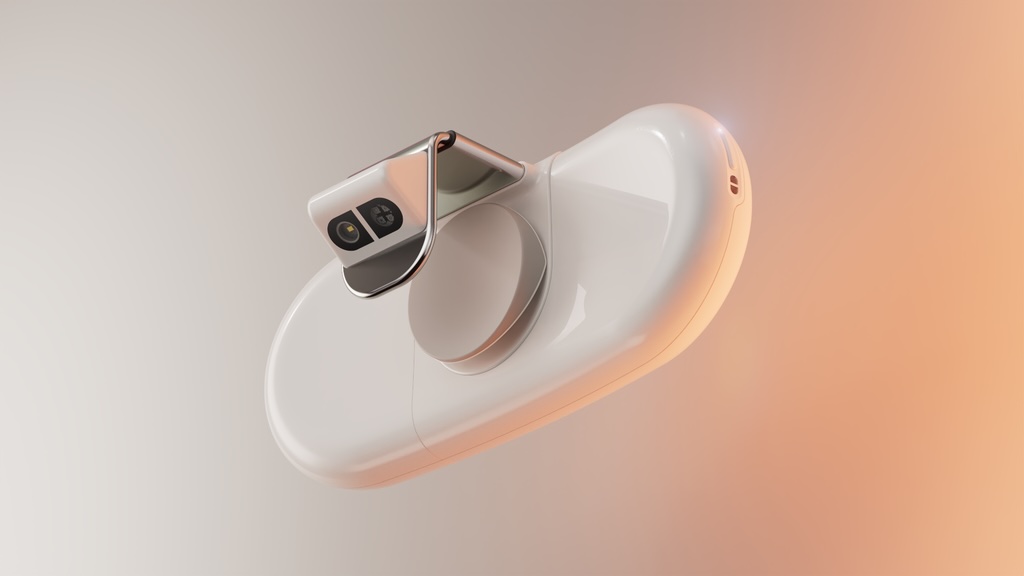
A new smart home health device from traditional home goods manufacturer Kohler, designed to analyze gut health through images captured inside a toilet bowl, has ignited a significant debate regarding data privacy and the accuracy of technological terminology. The product, named Dekoda, launched earlier this year, promised advanced insights into digestive well-being, leveraging artificial intelligence and photographic analysis. However, its claims of "end-to-end encryption" for user data have come under intense scrutiny from cybersecurity experts, revealing a critical distinction between different forms of data security and raising broader questions about consumer trust in the burgeoning smart health market.
Understanding the Encryption Divide: TLS vs. End-to-End
At the heart of the controversy lies a fundamental misunderstanding, or perhaps a deliberate mischaracterization, of encryption standards. Kohler’s marketing materials and privacy policy initially suggested that all data generated by the Dekoda camera was secured with "end-to-end encryption." This term, widely popularized by secure messaging applications like Signal, WhatsApp, and iMessage, denotes a robust security model where data is encrypted on the sender’s device and remains encrypted until it reaches the intended recipient’s device. Crucially, in a true end-to-end encrypted system, no intermediaries—not even the service provider—can access or read the content of the data. This level of security is paramount for sensitive personal information, as it minimizes the risk of unauthorized access during transit and at rest on third-party servers.
However, security researcher Simon Fondrie-Teitler meticulously analyzed Kohler’s documentation and quickly identified a discrepancy. His findings, detailed in a recent blog post, clarified that Kohler was, in fact, referring to Transport Layer Security (TLS) encryption. TLS is the standard cryptographic protocol designed to provide communication security over a computer network, most famously used in HTTPS for secure web browsing. While TLS effectively encrypts data "in transit"—meaning as it travels across the internet between a user’s device and a company’s servers—it does not prevent the service provider from decrypting that data once it arrives at their servers. For a device like Dekoda, this means that while the images captured in a toilet bowl might be secure on their journey from the camera to Kohler’s cloud infrastructure, Kohler itself retains the ability to decrypt, view, and process these highly personal images once they reach their destination. This distinction is not merely semantic; it represents a profound difference in the level of privacy afforded to users.
The Rise of Connected Health and Personal Data
The Dekoda smart toilet camera is a prime example of the accelerating trend of the "quantified self" movement and the integration of technology into every aspect of personal health and daily life. Over the past decade, wearable fitness trackers, smart scales, continuous glucose monitors, and a plethora of other connected devices have moved from niche gadgets to mainstream consumer products. These devices promise unprecedented insights into individual health patterns, enabling proactive management and personalized wellness strategies. The market for digital health solutions is experiencing explosive growth, driven by advancements in sensor technology, artificial intelligence, and increasing consumer demand for convenience and personalized care.
Historically, health data has been among the most protected categories of personal information, governed by strict regulations like HIPAA in the United States. However, many consumer-grade health devices operate outside the direct purview of these medical regulations, creating a complex and sometimes ambiguous regulatory landscape for data privacy. Companies venturing into this space often face the challenge of convincing consumers that their highly sensitive health data, whether it’s heart rate, sleep patterns, or, in this case, stool images, is handled with the utmost care and security. The promise of "end-to-end encryption" has become a powerful marketing tool in this context, signaling a commitment to privacy that consumers increasingly expect and demand, especially in a post-GDPR and CCPA world where data rights are becoming more defined.
Kohler’s Dekoda: A Deep Dive into its Functionality
Kohler, a brand synonymous with bathroom fixtures and kitchen fittings for over a century, entering the high-tech health monitoring arena with the Dekoda camera marks a significant strategic pivot. The device itself is designed to attach discreetly to a toilet bowl, capturing images of waste. These images are then reportedly analyzed by proprietary algorithms to provide users with insights into their digestive health, potentially identifying patterns or anomalies that could indicate underlying issues. The concept taps into a growing consumer interest in preventative health and self-monitoring, offering a novel, albeit unconventional, way to gather biometric data.
The initial price point for the Dekoda is set at $599, a substantial investment for a smart home device. Furthermore, the functionality is tied to a mandatory subscription service, starting at $6.99 per month, which presumably covers the ongoing AI analysis, data storage, and access to personalized health reports. This subscription model is common in the smart device ecosystem, ensuring recurring revenue for manufacturers and continuous service delivery. However, the combination of a high upfront cost and an ongoing subscription fee, coupled with now-questionable privacy assurances, could prove to be a significant hurdle for consumer adoption.
Privacy Concerns and AI Training
The revelation that Kohler’s encryption claims did not align with the industry standard for end-to-end encryption immediately amplified privacy concerns. When a company can decrypt user data on its servers, it raises critical questions about who has access to that data, how it is stored, and for what purposes it might be used beyond providing the advertised service. For a device collecting such intimate and sensitive images, the implications are particularly significant.
One major area of concern highlighted by security researchers is the potential for this data to be used for training artificial intelligence algorithms. AI models require vast datasets to learn and improve their accuracy. In the context of health analysis, access to real-world data, even if anonymized or "de-identified," is incredibly valuable. When questioned about this, a Kohler "privacy contact" reportedly told Fondrie-Teitler that their "algorithms are trained on de-identified data only." While de-identification is a common practice to protect individual privacy, the effectiveness of de-identification, especially for complex and unique biometric data, has been a subject of ongoing debate. Research has shown that even supposedly de-identified datasets can sometimes be re-identified through correlation with other publicly available information. The possibility that highly personal images, even in an "anonymous" form, could be used to train AI models without explicit, informed consent for that specific purpose, further complicates the ethical landscape.
The Broader Implications for Consumer Trust and the IoT Landscape
This incident with Kohler’s Dekoda camera serves as a crucial case study for the broader Internet of Things (IoT) industry and the rapidly expanding connected health sector. In an era where smart devices are integrating into every facet of our lives, from thermostats to toothbrushes, consumer trust is paramount. Misleading or ambiguous language regarding security features, particularly encryption, can severely erode this trust. When a respected brand like Kohler, with a long-standing reputation for quality and reliability, is found to be using technically inaccurate terms for critical security features, it sends a troubling signal to the market.
The episode underscores the vital role of independent security researchers in holding companies accountable. Their expertise in dissecting technical claims and uncovering potential vulnerabilities or misrepresentations is invaluable for consumer protection. Regulatory bodies, such as the Federal Trade Commission (FTC) in the U.S., also play a role in scrutinizing deceptive marketing practices, especially when they pertain to sensitive data and privacy. Historically, the FTC has taken action against companies for misleading privacy claims, and incidents like this could draw further attention to the need for clearer, more standardized language in the tech industry regarding data security.
Moreover, the incident highlights a cultural shift in how consumers view privacy. A decade ago, many might have readily accepted generalized assurances of "security." Today, with increased awareness of data breaches, surveillance, and the monetization of personal information, consumers are becoming more sophisticated in their understanding and demands for robust privacy protections. The term "end-to-end encryption" has, for many, become a gold standard, a symbol of a company’s commitment to truly private communication. Its casual or inaccurate use risks trivializing a critical security feature and misleading users into a false sense of security.
Navigating the Future of Smart Home Security
As technology continues its inexorable march into the most intimate spaces of our homes and lives, the responsibility falls on both manufacturers and consumers to navigate this complex landscape with diligence. For companies, it means adopting transparent and precise language when discussing security protocols, investing in genuinely robust privacy-by-design principles, and being prepared for rigorous independent scrutiny. For consumers, it necessitates a healthy skepticism, a willingness to ask probing questions about data handling, and an understanding that convenience often comes with trade-offs regarding privacy.
The Kohler Dekoda camera, while innovative in its concept, has inadvertently become a focal point for a broader discussion about trust, transparency, and the integrity of security claims in the digital age. As the lines between health monitoring, smart home technology, and personal privacy continue to blur, clear communication and unwavering commitment to data protection will be essential for any company hoping to build lasting relationships with its increasingly privacy-conscious customer base. The future of connected health depends not just on technological advancement, but equally on the ethical frameworks and transparent practices that underpin it.