Amir Mahmud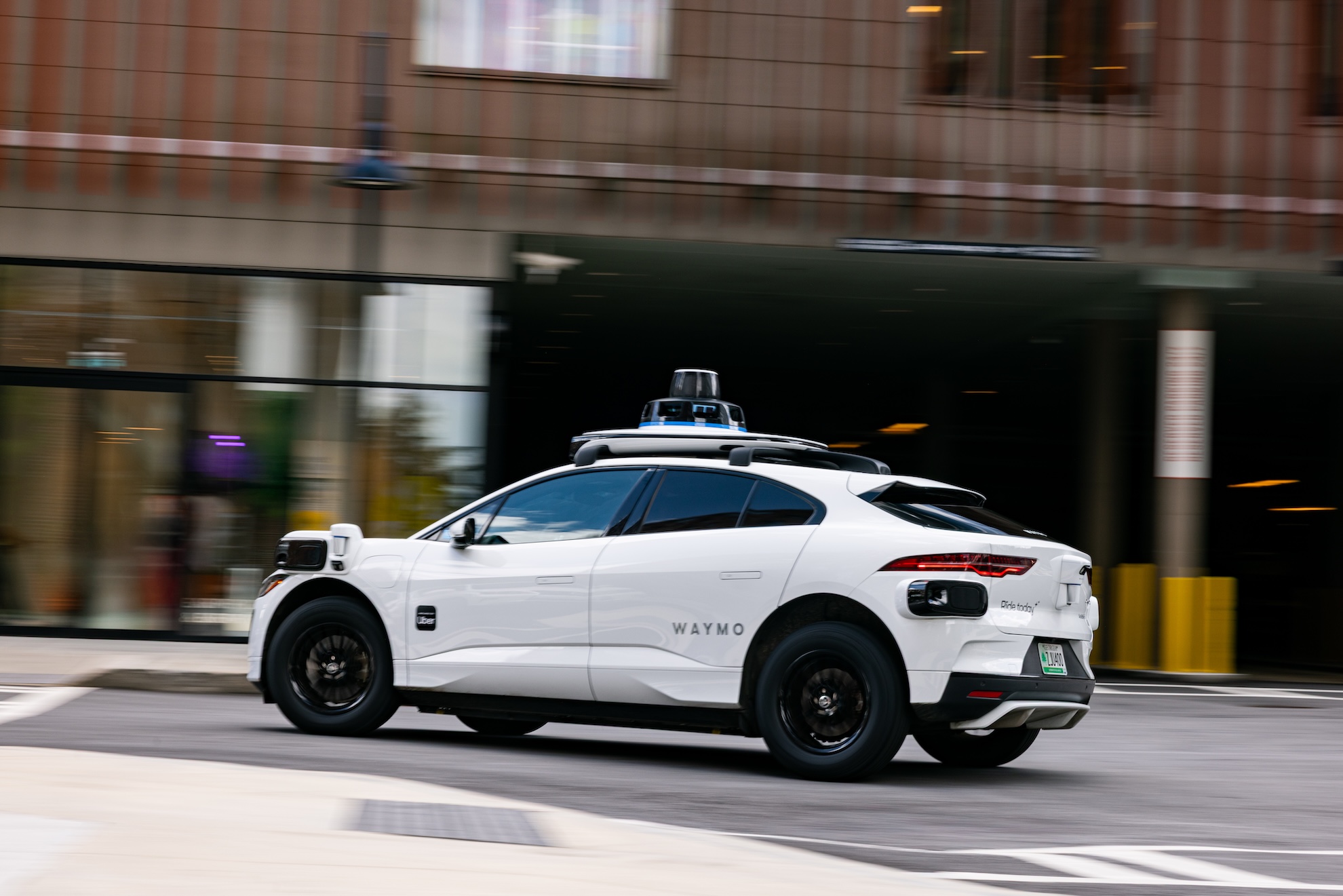
Alphabet-owned Waymo, a pioneer in autonomous driving technology, has announced its intention to voluntarily issue a software recall with federal safety regulators. This move addresses critical concerns regarding how its self-driving vehicles, known as robotaxis, operate around school buses, particularly when children are present. The company conveyed its plans to TechCrunch, signaling a proactive approach in response to increasing regulatory and public pressure.
The voluntary software recall is slated for official filing early next week. Waymo states that it identified the issue and subsequently deployed a software update on November 17, asserting that this modification significantly enhances performance in these specific scenarios, potentially surpassing human driver capabilities. This development underscores the complex interplay between advanced technology, public safety, and regulatory oversight in the rapidly evolving autonomous vehicle (AV) industry.
A Critical Safety Mandate
The interaction between vehicles and school buses is governed by some of the most stringent traffic laws in the United States, designed to protect children. Drivers are legally obligated to stop when a school bus displays its flashing red lights and extended stop sign, indicating that children are boarding or disembarking. Failure to comply can result in severe penalties and, more importantly, poses a significant danger to vulnerable pedestrians. For autonomous vehicles, programming these nuanced, safety-critical responses perfectly is paramount, as any deviation can have immediate and severe consequences, potentially eroding public trust in the technology.
This specific recall marks a significant moment, highlighting the fact that even sophisticated AI systems, designed for safety, require continuous refinement and regulatory checks, especially when interacting with unpredictable real-world scenarios involving the most vulnerable members of society. The focus on school bus interactions is not merely a technical challenge but a fundamental test of an AV’s capacity to integrate safely and reliably into the existing transportation ecosystem.
The Incidents Sparking Action
Waymo’s decision to issue a recall follows a period of heightened scrutiny from the National Highway Traffic Safety Administration (NHTSA) and vocal criticism from local officials in cities where its robotaxis operate, notably Atlanta and Austin. These incidents brought to the forefront the challenges autonomous vehicles face in accurately perceiving and correctly responding to the universal signals of a stopped school bus.
NHTSA’s Office of Defects Investigation (ODI) initiated its preliminary investigation into Waymo in October. This probe was triggered by footage depicting a Waymo autonomous vehicle maneuvering around a stopped school bus in Atlanta. The bus, clearly displaying its extended stop sign and flashing lights, was actively unloading children. The robotaxi in question crossed perpendicularly in front of the school bus from its right side, then proceeded to turn left around the front of the bus before continuing down the street. This maneuver directly contravened established traffic laws and presented a clear safety hazard.
Similar incidents subsequently emerged in Austin, Texas, another city where Waymo operates its robotaxi service, often in partnership with ride-sharing platforms like Uber. Austin School District officials formally documented and reported multiple instances of Waymo vehicles allegedly passing school buses illegally. In a letter accessible on NHTSA’s website, district officials contended that at least five such occurrences transpired after Waymo claimed to have deployed its initial software update on November 17. This assertion raised questions about the efficacy and comprehensiveness of the initial fix.
In response to these persistent reports, NHTSA dispatched a formal letter to Waymo on December 3, requesting comprehensive information about its fifth-generation self-driving system and its operational protocols. Regulators specifically sought detailed data regarding 19 alleged instances of Waymo robotaxis illegally passing school buses in Austin during the current year, underscoring the severity and pattern of the reported issues.
Navigating the Regulatory Framework
The concept of a "software recall" has become an increasingly common phenomenon in the modern automotive landscape. As vehicles transition from purely mechanical systems to complex, software-driven machines, the operational integrity of these systems becomes paramount. Unlike traditional recalls involving physical components, software recalls typically entail over-the-air updates or dealership installations of new code to rectify identified vulnerabilities or malfunctions. These digital fixes, while often implemented prior to the official filing, still carry significant weight when formally reported to federal agencies like NHTSA.
NHTSA’s role in overseeing the safety of autonomous vehicles is rapidly expanding. Historically, the agency has focused on conventional vehicle safety standards and defect investigations. However, with the advent of AVs, NHTSA is adapting its regulatory framework to address the unique challenges posed by artificial intelligence and machine learning in controlling vehicles. The ODI’s investigation into Waymo exemplifies this evolving oversight, signaling that autonomous vehicle manufacturers are subject to the same, if not greater, scrutiny as traditional automakers when safety defects are identified.
This regulatory evolution is critical for fostering public confidence. Without a robust oversight body, the deployment of AVs could face significant headwinds. The challenge for regulators lies in balancing the encouragement of innovation with the imperative of ensuring public safety, particularly as the technology is still in its nascent stages of widespread adoption.
Waymo’s Proactive Stance and Prior Recalls
In an emailed statement, Waymo’s Chief Safety Officer, Mauricio Peña, addressed the situation directly: "While we are incredibly proud of our strong safety record showing Waymo experiences twelve times fewer injury crashes involving pedestrians than human drivers, holding the highest safety standards means recognizing when our behavior should be better. As a result, we have made the decision to file a voluntary software recall with NHTSA related to appropriately slowing and stopping in these scenarios. We will continue analyzing our vehicles’ performance and making necessary fixes as part of our commitment to continuous improvement."
Waymo emphasized that no injuries occurred as a result of the specific vehicle behaviors addressed by this recall, reiterating its commitment to safety as a paramount priority and pledging continued cooperation with NHTSA. The company also stated its intention to investigate, track, and implement further updates as necessary, reflecting an ongoing process of refinement inherent in AV development.
This is not Waymo’s first software recall. The company executed a voluntary software recall earlier in the current year, following two similar recalls in the previous year, 2024. One notable incident in 2024 involved a Waymo vehicle in Phoenix, operating without a human safety operator, that collided with a telephone pole in an alley during a low-speed pullover maneuver. These previous incidents, while distinct from the school bus interactions, highlight the iterative nature of autonomous technology development and the continuous need for software adjustments as AVs encounter the unpredictable complexities of real-world driving environments.
The Broader Landscape of Autonomous Vehicle Safety
The incidents involving Waymo’s robotaxis and school buses serve as a microcosm of the larger challenges facing the autonomous vehicle industry. While AV technology holds immense promise for improving road safety, reducing congestion, and enhancing mobility, its successful deployment hinges on achieving a level of reliability and safety that unequivocally surpasses human driving performance.
One of the most significant hurdles is programming AVs to interpret and react to the vast array of unpredictable behaviors exhibited by human drivers, pedestrians, and cyclists. School bus stops, with children potentially darting into the street, represent a particularly complex edge case that requires not just strict adherence to traffic laws but also a highly nuanced understanding of human intent and potential risk. The ability of an AV’s perception system to correctly identify a school bus, its flashing lights, and the extended stop arm, even in adverse weather or lighting conditions, is critical. Equally important is the prediction system’s capacity to anticipate the movements of children and other pedestrians around the bus.
Experts in autonomous systems often refer to the "long tail of rare events" – the vast number of infrequent, yet potentially dangerous, scenarios that AVs must be programmed to handle flawlessly. While AVs can excel in common driving situations, these rare events, like a child unexpectedly running into the street, are where the technology faces its toughest tests. Each incident, even minor ones, provides invaluable data for developers to refine algorithms and enhance the safety envelope.
Building Public Trust in a New Era of Transportation
The market and social impact of incidents like these cannot be overstated. Public trust is the bedrock upon which the widespread adoption of autonomous vehicles will be built. Each reported safety lapse, regardless of its severity, has the potential to erode public confidence, leading to skepticism and resistance from consumers and policymakers alike. Conversely, transparency and proactive measures, such as voluntary recalls and clear communication, can help reinforce the industry’s commitment to safety.
From a cultural perspective, the introduction of robotaxis challenges long-held notions of driving and personal mobility. The idea of entrusting one’s safety, or the safety of one’s children, to a machine requires a significant paradigm shift. Incidents involving school children, a highly sensitive demographic, disproportionately affect public perception, often sparking emotional responses that transcend purely technical analyses. Local officials, acting as representatives of their communities, are understandably vigilant in ensuring that new technologies do not compromise the safety of their constituents. The pushback from Atlanta and Austin school districts reflects this crucial role.
For Waymo, a company that has invested billions into developing its autonomous technology and is considered a leader in the field, maintaining a flawless safety record is vital for its brand reputation and future expansion plans. The ability to demonstrate a continuous commitment to improvement and to promptly address safety concerns will be key to securing further regulatory approvals and winning over skeptical communities as it seeks to deploy its services in more cities.
The Path Forward for Autonomous Innovation
Waymo’s software recall underscores that the journey toward fully autonomous vehicles is an iterative process, marked by continuous learning, adaptation, and refinement. While the technology promises to revolutionize transportation, it demands an uncompromising commitment to safety, requiring developers to anticipate and mitigate every conceivable risk.
The collaboration between industry players like Waymo and regulatory bodies such as NHTSA is essential for establishing robust safety standards and building a framework for responsible innovation. As autonomous vehicle technology continues to mature, the focus will remain on achieving an unparalleled level of safety that can withstand the scrutiny of both technical experts and the general public, ultimately paving the way for a safer and more efficient future of mobility.