Amir Mahmud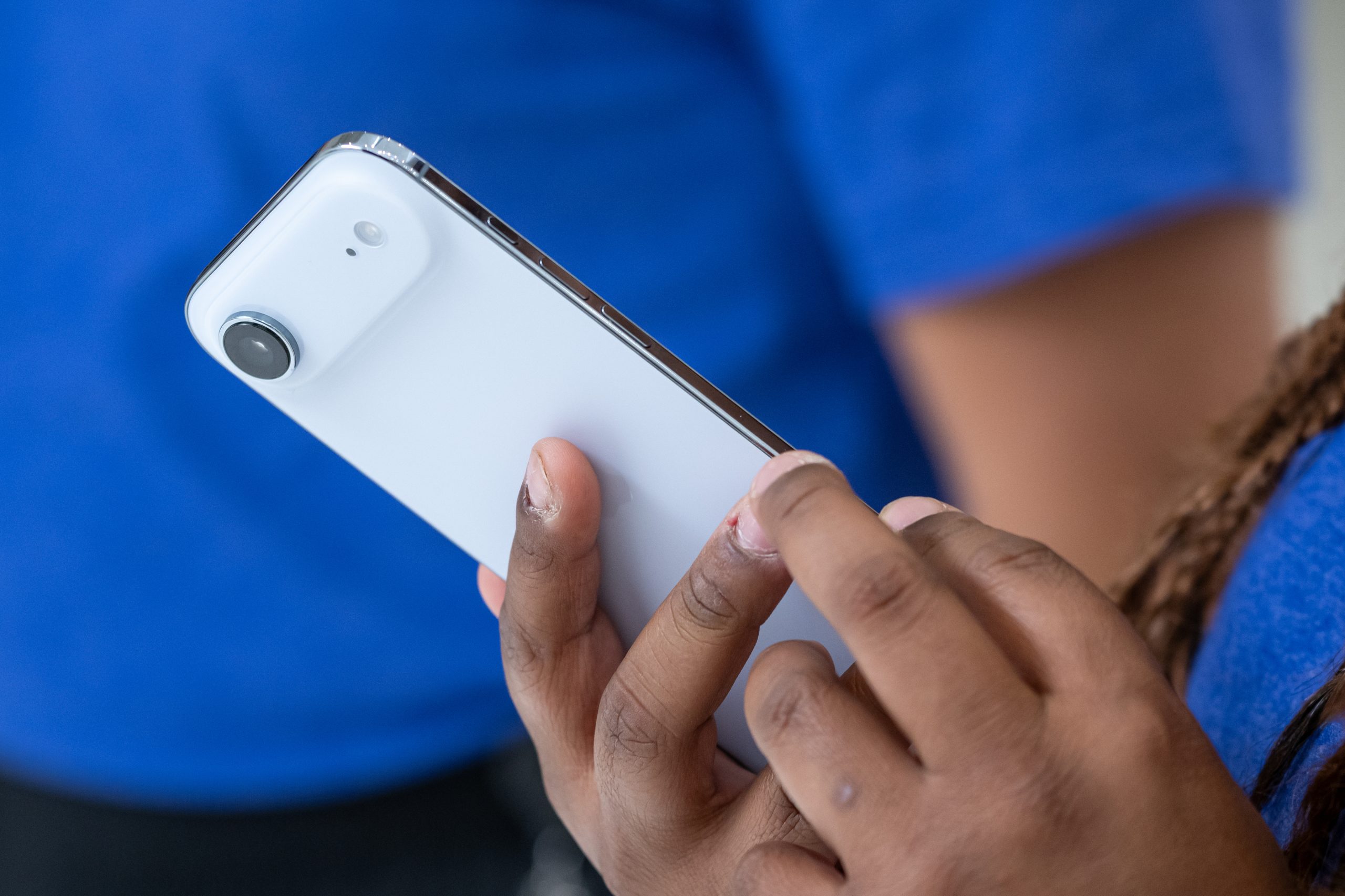
The embedded SIM, or eSIM, a technology conceptually available for over a decade, is finally poised for a significant breakthrough. Despite its long gestation, global eSIM adoption stood at a modest 3% last year, with projections suggesting a rise to just over 5% this year. However, these figures belie a palpable optimism among industry analysts, innovative eSIM startups, and venture capital investors, who foresee an accelerating upward trajectory for this digital connectivity solution. This anticipated surge is primarily driven by two powerful forces: the increasing demand for seamless global travel connectivity and the crucial embrace of eSIM technology by leading smartphone manufacturers.
Understanding the eSIM Revolution: A Historical Context
The concept of an embedded SIM card emerged as early as the mid-2000s, with the GSMA (Global System for Mobile Communications Association) standardizing the technology in 2016. Unlike its physical predecessor, which requires a tangible chip to be inserted into a device, an eSIM is a small, rewritable chip integrated directly into the device’s hardware during manufacturing. This allows users to download and activate mobile network profiles remotely, eliminating the need to physically swap SIM cards when changing carriers or traveling internationally.
Despite the clear technological advantages—such as enhanced durability, space-saving design within devices, and improved security—eSIM’s initial journey was slow. Early adoption was hampered by a combination of factors, including a lack of widespread device compatibility, the reluctance of mobile network operators (MNOs) to disrupt established revenue models tied to physical SIM distribution, and a general lack of consumer awareness regarding its benefits. For many years, eSIM remained a niche feature, primarily found in wearables or specialized industrial IoT devices, rather than mainstream consumer electronics. The market needed a catalyst, and that catalyst has arrived in the form of major device manufacturers and the resurgence of global travel.
Device Compatibility: A Game-Changing Mandate
One of the most pivotal factors fueling the current growth spurt in eSIM adoption is the strategic decision by major smartphone manufacturers to integrate and, increasingly, prioritize eSIM capabilities in their devices. The first wave of consumer smartphones featuring eSIM technology appeared between 2017 and 2018, with notable models like the Google Pixel 2 and the Apple iPhone XR leading the charge. These early implementations typically offered dual SIM functionality, combining a physical SIM slot with an eSIM option, providing users with flexibility while gently introducing the new technology.
The true inflection point, however, arrived in 2022 when Apple made a bold move, ditching the physical SIM slot entirely for its iPhone 14 lineup sold in the U.S. market, making them eSIM-only devices. This was a significant statement from a market leader, signaling a definitive shift towards a digital-first approach to mobile connectivity. Following Apple’s lead, Google announced that its Pixel 10, released this year, would also adopt an eSIM-only configuration. Further cementing this trend, Apple subsequently launched the eSIM-only iPhone Air and offered an eSIM-only variant of the iPhone 17 series in over 11 countries, broadening the geographical reach of this digital-only approach.
Beyond the convenience for users, the elimination of the physical SIM tray offers tangible design and engineering benefits for manufacturers. The reclaimed internal space can be utilized for larger batteries, leading to slightly extended battery life, or for integrating other advanced components, enhancing device capabilities. Data from analytics firm Counterpoint indicates that in 2024, the penetration of smartphones equipped with eSIM capabilities reached 23% globally, with the U.S. emerging as a strong leader, where 41% of devices launched that year featured eSIM support.
Historically, eSIM was predominantly a feature reserved for high-end, flagship devices. However, this exclusivity is rapidly changing. The GSMA reported a significant increase, with more than 60 new eSIM-enabled smartphones launched in just the first half of 2025, indicating a clear trend towards broader integration across various price segments.
A critical market for accelerating global eSIM adoption is China. After an initial period of regulatory and operational adjustments, China’s major telecom providers began offering eSIM support in October of this year, following the introduction of Apple’s eSIM-only phones into the market. This development is expected to have a cascading effect, as local manufacturers such as Huawei, Xiaomi, Oppo, and Vivo are likely to introduce more eSIM-native or supported devices. Pablo Iacopino, an analyst at GSMA, anticipates that these brands, which hold substantial market share in economically sensitive regions across Asia and Africa, will gradually integrate eSIM support across their product ranges. This strategy would enable them to cater to domestic demand and expand the technology’s footprint significantly. Iacopino notes that while Chinese brands will likely start with hybrid models supporting both physical and eSIM, a full transition to eSIM-only devices could follow as the market matures and consumer acceptance grows.
Despite the growing number of eSIM-compatible devices, the actual activation rate has historically lagged. However, this, too, is shifting. Steffen Sorrell, head of research at Kaleido Intelligence, a telecom analyst firm, observed that approximately 30% of devices with eSIM capabilities saw activation in 2024. Sorrell’s firm projects a substantial increase, estimating this activation rate will reach 75% by 2030, underscoring a growing user engagement with the technology.
Travel: The Unparalleled Catalyst
While device compatibility lays the foundational groundwork, international travel has emerged as the most potent catalyst driving current eSIM adoption. For globetrotters, eSIM represents a paradigm shift in how they stay connected abroad, addressing numerous long-standing pain points associated with traditional international roaming or hunting for local physical SIM cards.
Before eSIM, travelers faced a stark choice: incur exorbitant roaming charges from their home provider, or embark on a quest to find and purchase a local SIM card upon arrival, often navigating language barriers, unfamiliar retail environments, and the inconvenience of physically swapping tiny cards. The risk of losing a small, vital piece of hardware, or the hassle of managing multiple SIMs for different countries, added further friction to the travel experience.
eSIM elegantly solves these challenges. It offers travelers unparalleled convenience, allowing them to instantly purchase and activate data plans for their destination directly from their device, often before even landing. A GSMA survey highlighted this trend, revealing that a striking 51% of current eSIM users leverage the technology specifically for travel. Beyond convenience, eSIM offers enhanced security; its hardware is frequently bound with secure elements, making it significantly more difficult to tamper with compared to a removable physical SIM.
This burgeoning demand from travelers has created a fertile ground for a new ecosystem of eSIM provider startups. Companies like AirAlo, Holafly, eSIM.me, Nomad, and Truely have seen remarkable growth in their customer bases, largely propelled by the travel segment. Even established cybersecurity firms, such as Lithuania-based Nord, have diversified into this space, launching their own eSIM service, Saily.
The GSMA emphasizes that travel is not just a temporary use case; it often serves as an introduction to the technology, with frequent travelers frequently adopting eSIM for their long-term connectivity needs. Iacopino from GSMA points out that individuals who experience the seamless benefits of eSIM while traveling are highly likely to return home and request a switch from their physical SIM to an eSIM from their domestic network provider.
Bahadir Ozdemir, CEO of AirAlo, one of the leading eSIM companies with over six years in the market, attests to this phenomenon. He notes that AirAlo’s platform has been instrumental in many users’ first encounters with eSIM technology. A company survey last year indicated that 85% of its responders were first-time eSIM users. Ozdemir observes that approximately 15% of all travel connectivity is now powered by eSIMs, a number that continues to grow rapidly. He adds, "Once users discover how they can get connectivity with eSIM, they don’t really want to go back to the old way [physical SIMs] of doing it." He further explains that while many traditional telecom operators offer eSIMs, their discovery process can be cumbersome for customers, whereas dedicated apps like AirAlo simplify the experience. Traditional carriers are also recognizing the opportunity; for example, Vodafone partnered with UEFA to launch a specialized eSIM product tailored for football fans traveling across Europe for matches.
Growth, Investment, and Future Market Dynamics
The robust growth of the travel-related eSIM sector has not gone unnoticed by investors, leading to significant capital inflows and impressive financial milestones for key players. Truely, for instance, has served over 70,000 travelers in the past two years, reporting a twofold increase in orders this year. The startup, which secured a $2 million extension funding round in June, is actively exploring partnerships with fintech services, travel applications, and even governmental collaborations to expand its reach.
NordVPN’s Saily eSIM app, launched in March 2024, quickly amassed a seven-digit user base and introduced a premium "Ultra" plan offering global coverage for $60 per month, signaling confidence in the high-end travel market. Holafly has reported selling over 15 million eSIMs since its inception in 2018, generating over $500 million in total revenue, with a substantial $200 million earned in 2024 alone.
The most prominent investment news in the past two years was AirAlo’s blockbuster $220 million funding round, led by CVC and announced in July, which propelled the company to unicorn status. This was followed by French eSIM startup Kolet, which secured $10 million in Series A funding led by Daphni, with notable participation from industry veterans like former Expedia Group CEO Peter Kern and Apple’s former vice president of marketing, Jon Gieselman.
Scott Shiao, a principal at Goodwater Capital, comments that investment concentration will likely remain focused on consumer-facing, travel-related eSIM startups for the foreseeable future. However, he sees substantial future opportunities in domestic markets as well. Martell Hardenberg, a partner at Antler, notes that while the travel eSIM use case has demonstrated significant growth, the current user base largely consists of early adopters, indicating substantial room for further expansion. Hardenberg suggests that companies offering bundled services to global travelers or digital nomads, extending beyond basic travel SIM cards to create comprehensive, lucrative packages, will likely find strong market traction.
Looking ahead, Kaleido Intelligence’s Sorrell anticipates market consolidation as the sector matures. He advises that investors will increasingly scrutinize the long-term viability of businesses, evaluating factors such as customer loyalty, the quality and breadth of network coverage, and strategic marketing capabilities—including partnerships with airlines, banks, or ride-sharing companies—to ensure sustained growth beyond the initial boom.
Navigating the Roadblocks to Universal Adoption
Despite the undeniable momentum, the path to universal eSIM adoption is not without its challenges. Foremost among these are the issues of consumer education, trust, and ease of use. Many potential users simply lack awareness or understanding of what an eSIM is or how it functions.
AirAlo’s Ozdemir candidly acknowledges this educational hurdle. He contrasts eSIM marketing with that of familiar services like Spotify or Netflix, where consumers already understand the core product. With eSIM, companies must first educate the public about the underlying technology itself. To bridge this knowledge gap, AirAlo actively partners with influencers to demystify "connectivity on the go" via eSIM and guide users to their platform. Eric Dadoun, CEO of Truely, believes that the increasing prevalence of eSIM-only devices will naturally force greater consumer awareness. However, he emphasizes that for markets where eSIM-only devices are optional, user education will remain a critical component of customer acquisition strategies.
A significant user experience friction point currently lies in the eSIM installation process, which often involves scanning a QR code sent via email. This typically necessitates a second device to display the QR code, which can be cumbersome, especially for travelers attempting to activate an eSIM immediately upon arrival at an airport with limited access to another screen. GSMA’s Iacopino agrees that this process needs streamlining as adoption grows, urging eSIM providers and hardware manufacturers to collaborate on more intuitive activation methods.
Furthermore, some incumbent network providers face internal hurdles in fully embracing eSIM. Kaleido Intelligence’s Sorrell highlights that these carriers often grapple with legacy technology infrastructure and outdated systems, which can impede a swift transition to digital eSIM provisioning. For seamless adoption, these providers will need to invest in modernizing their back-end systems to enable a fully digital activation and management process, eliminating the need for customers to visit physical stores.
In conclusion, while education, user experience, and carrier inertia remain significant challenges, the confluence of widespread device compatibility and the compelling convenience for international travelers has irreversibly set eSIM on a trajectory toward mainstream adoption. As the market matures, continued innovation in user experience, proactive consumer education, and strategic partnerships will be key to unlocking the full potential of this silent revolution in mobile connectivity, fundamentally transforming how individuals and devices stay connected across the globe.