Amir Mahmud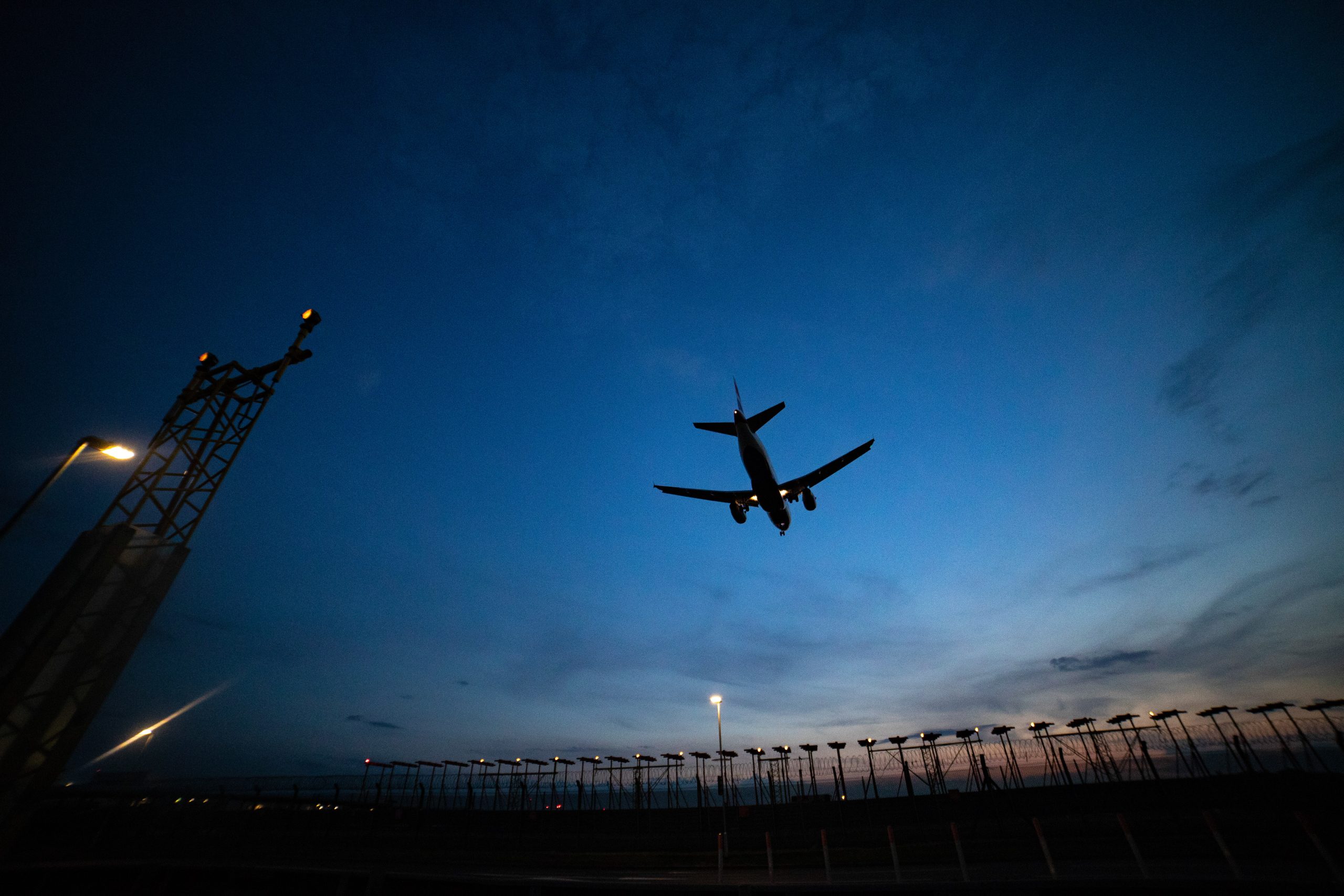
A sweeping mandate from Airbus has sent ripples through the global aviation industry, requiring an immediate software rectification for an estimated 6,000 aircraft belonging to its widely used A320 family. This unprecedented directive, stemming from the analysis of a critical in-flight incident, has led to widespread flight delays and cancellations across continents, as airlines grapple with the logistical challenges of implementing the necessary technical adjustments. The aerospace giant confirmed its decision to initiate this precautionary fleet action after an in-depth investigation revealed a concerning vulnerability: intense solar radiation has the potential to corrupt data vital for the precise functioning of flight control systems.
The Immediate Crisis and Its Catalyst
The catalyst for this expansive safety measure appears to be a specific event on October 30, involving a JetBlue flight en route from Cancun, Mexico, to Newark, New Jersey. Industry sources, widely reported by news outlets, indicate that this particular Airbus A320 aircraft experienced a sudden, unexpected loss of altitude mid-flight, necessitating an emergency landing in Tampa, Florida. While the full details of the incident remain under investigation, the preliminary findings strongly suggest a correlation between the unusual flight behavior and the effects of heightened solar activity on the aircraft’s sophisticated avionics.
In response to this grave discovery, the Federal Aviation Administration (FAA) in the United States has reportedly issued an emergency airworthiness directive (EAD). This EAD mandates that all affected Airbus A320 series planes revert to an earlier, presumably more robust, software version before they are cleared for further flight. Airbus itself has acknowledged that a smaller, yet significant, subset of the affected fleet will require not only software adjustments but also physical hardware modifications to fully mitigate the identified risk. This two-pronged approach underscores the severity and complexity of the vulnerability uncovered.
Understanding the Threat: Solar Radiation and Avionics
The concept of solar radiation impacting modern technology might seem like a plot from science fiction, but it represents a very real and growing concern for industries reliant on advanced electronics, none more so than aviation. Solar radiation, often referred to as space weather, encompasses a range of phenomena originating from the sun, including solar flares, coronal mass ejections (CMEs), and high-energy particles like cosmic rays. While Earth’s magnetic field and atmosphere typically shield us from the most harmful effects, aircraft operating at cruising altitudes, particularly those on polar routes, are exposed to significantly higher levels of this radiation.
These energetic particles, when they penetrate an aircraft’s fuselage, can interact with the delicate silicon components within computer chips. This interaction can cause what is known as a Single Event Upset (SEU), a momentary change in the state of a memory cell or logic circuit. While many SEUs are benign and can be corrected by error detection and correction mechanisms, a critical SEU in a vital flight control system could potentially lead to erroneous data processing, system glitches, or even temporary system outages. The A320 incident suggests that such an event may have compromised the integrity of data critical to the aircraft’s fly-by-wire controls, systems that have largely replaced traditional mechanical linkages in modern airliners. The exact mechanism through which the solar radiation corrupted the data, whether a direct bit flip or a more complex cascade of errors, remains a central point of the ongoing technical analysis.
The Workhorse of the Skies: The A320 Family
The Airbus A320 family, which includes the A318, A319, A320, and A321 variants, is one of the most successful and ubiquitous aircraft series in commercial aviation history. Since its introduction in the late 1980s, it has become a true workhorse for airlines globally, primarily serving short-to-medium haul routes. Its appeal lies in its efficiency, commonality across variants (reducing training and maintenance costs), and its pioneering fly-by-wire technology, which offers enhanced safety and handling characteristics. With thousands of these aircraft in active service worldwide, flown by hundreds of airlines, any directive affecting such a significant portion of the fleet inevitably leads to monumental operational disruptions.
The scale of this recall, affecting 6,000 aircraft, represents a substantial percentage of the global commercial fleet. Airlines like JetBlue, American Airlines, Delta, Lufthansa, EasyJet, and countless others operate extensive A320 fleets. The grounding or delayed deployment of even a fraction of these planes can trigger a cascade of cancellations and rescheduling challenges, impacting millions of passengers and placing immense strain on airline operations. The financial implications for carriers, ranging from compensation for delayed passengers to the costs associated with maintenance and re-routing, are expected to be considerable.
A Precedent for Caution: Space Weather’s Growing Impact
While the direct link between solar radiation and specific in-flight incidents has historically been challenging to definitively prove, the aviation industry has been increasingly cognizant of the potential risks posed by space weather. Over the past few decades, scientific understanding of solar phenomena and their terrestrial impacts has vastly improved. Geomagnetic storms, a common consequence of intense solar activity, are known to disrupt satellite communications, GPS signals, and even ground-based power grids. For aviation, these disruptions can affect navigation systems, radio communications, and potentially even expose crews and passengers to elevated radiation doses, particularly on long-haul polar flights.
Regulatory bodies like the International Civil Aviation Organization (ICAO) have, in recent years, begun to establish guidelines for managing space weather information in operational aviation. Air traffic control centers now often receive space weather advisories, allowing for route adjustments to minimize exposure. However, this latest Airbus directive highlights a more insidious and direct threat to aircraft hardware and software, moving beyond mere communication and navigation disruptions to the fundamental integrity of flight control systems. This development could mark a pivotal moment, forcing a re-evaluation of how aircraft are designed, certified, and operated in an era of increasing solar variability and technological complexity. It underscores the reality that as our reliance on sophisticated electronics grows, so too does our vulnerability to natural phenomena previously considered remote or inconsequential.
Operational Ripple Effects and Economic Fallout
The immediate aftermath of the Airbus directive has plunged airlines worldwide into a logistical maelstrom. The process of reverting software versions for thousands of aircraft is not instantaneous. It requires trained technicians, access to the necessary software packages, and a slot in a maintenance hangar. This translates into extended ground times for aircraft, directly impacting flight schedules. Passengers have borne the brunt of this disruption, experiencing frustrating delays and outright cancellations that have upended travel plans, from crucial business meetings to long-awaited family vacations. The social impact is considerable, eroding traveler confidence and placing significant stress on airport infrastructure and customer service teams.
Economically, the fallout is multi-faceted. Airlines face direct costs from the mandated software changes, potential hardware replacements, and the indirect costs of compensation, rebooking, and lost revenue from grounded aircraft. For Airbus, while the proactive measure may bolster its reputation for safety, the incident undeniably carries financial implications related to warranty obligations, engineering resources, and potential impacts on future sales or market perception. The broader aviation supply chain, from maintenance providers to spare parts manufacturers, will also feel the ripple effects. Analysts suggest that the total economic impact could run into hundreds of millions, if not billions, of dollars, depending on the speed and efficiency of the rectification process and any subsequent long-term measures implemented.
Safeguarding the Future of Flight
The Airbus directive serves as a stark reminder of the continuous challenges faced by the aviation industry in maintaining the highest safety standards in an increasingly complex technological and environmental landscape. Neutral analytical commentary suggests that while the immediate disruption is severe, the proactive response by Airbus and the FAA is a testament to the industry’s unwavering commitment to passenger safety. Identifying and addressing such a fundamental vulnerability, even at significant cost and inconvenience, is paramount.
This incident is likely to prompt deeper investigations into the resilience of modern avionics against various forms of environmental stressors, including not just solar radiation but also electromagnetic interference and even cyber threats. Aircraft manufacturers may be compelled to revisit design philosophies, incorporating more robust shielding, advanced error correction codes, and perhaps even redundant systems that are spatially separated or utilize different technological principles to minimize common-mode failures from space weather events. The certification process for new aircraft types might also evolve, incorporating more rigorous testing for solar radiation susceptibility.
Global Collaboration for Sky Safety
The global nature of air travel necessitates a harmonized approach to safety. While the FAA has issued its EAD, similar directives are anticipated from other major regulatory bodies, such as the European Union Aviation Safety Agency (EASA). International cooperation between manufacturers, airlines, and regulatory authorities will be crucial in effectively managing this crisis. Sharing data, best practices, and technical solutions across borders will accelerate the rectification process and ensure a consistent safety standard worldwide.
In the long term, this event may galvanize efforts within the scientific community to improve space weather forecasting and mitigation strategies tailored specifically for the aviation sector. Enhanced real-time monitoring of solar activity and more sophisticated predictive models could allow airlines to make informed operational decisions, such as adjusting flight paths or scheduling maintenance during periods of elevated risk. Ultimately, while the current situation presents significant hurdles, it also represents an opportunity for the aviation industry to learn, adapt, and further strengthen the foundational safety principles that underpin global air travel, ensuring that the skies remain the safest mode of transport for generations to come.