Amir Mahmud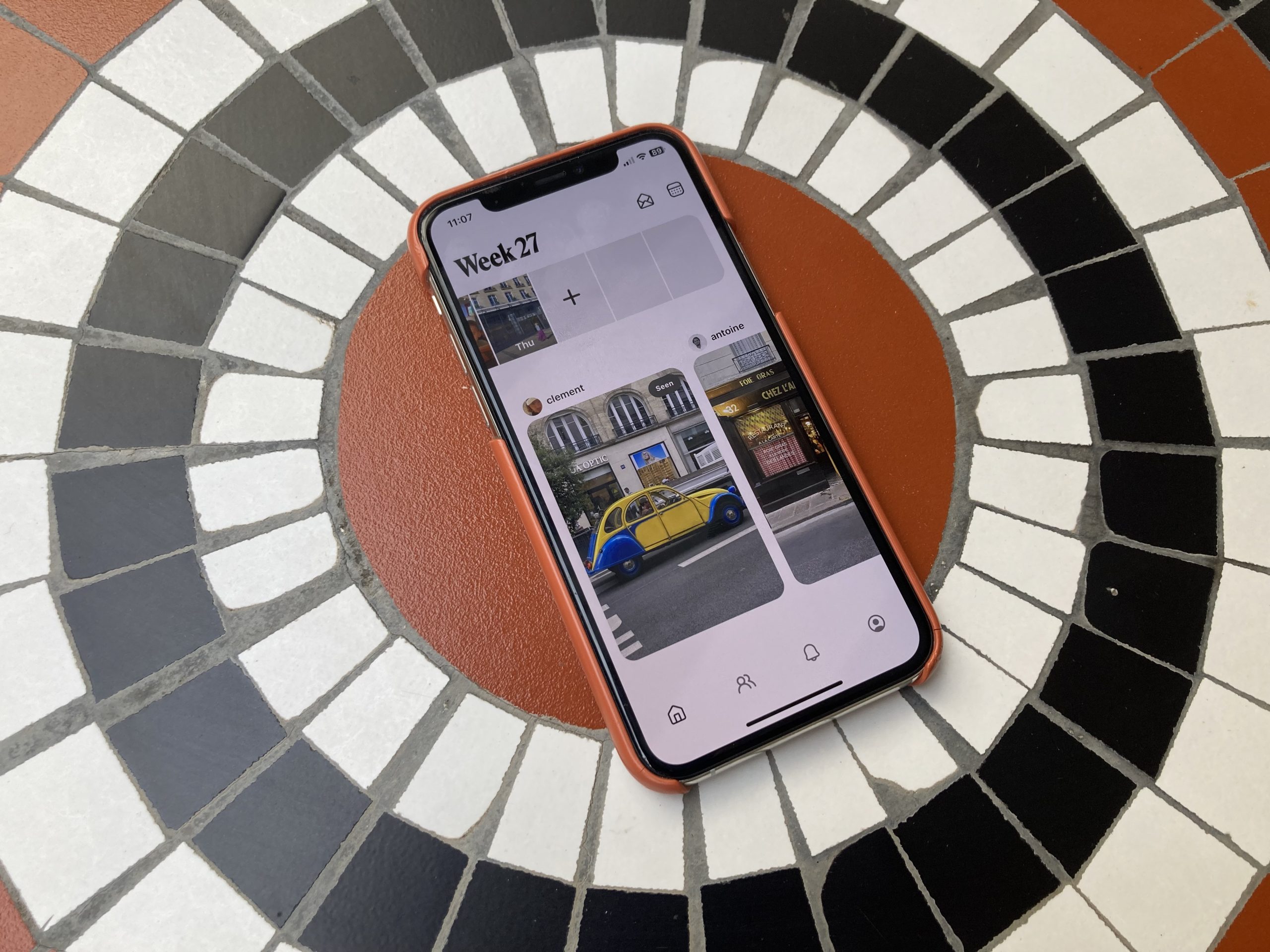
Retro, an innovative photo-sharing application focused on fostering genuine connections among friends, is poised to transform how its approximately one million users engage with their personal digital archives. The platform is rolling out a significant new feature called "Rewind," designed to enable individuals to delve into their camera rolls and rediscover forgotten memories from years gone by. While Retro currently facilitates sharing weekly photo updates within private friend groups and creating collaborative albums, "Rewind" offers a distinctly personal journey into one’s photographic history, kept private unless a user consciously opts to share a rediscovered moment.
The Evolving Landscape of Digital Memories
In the nascent days of digital photography and the internet, archiving personal images was a cumbersome affair, often involving physical hard drives, CDs, or rudimentary online galleries like Flickr. The advent of smartphones revolutionized this, turning nearly every individual into a perpetual photographer. Millions of images are captured daily, documenting everything from mundane errands to monumental life events. This proliferation led to the rise of social media platforms like Facebook and Instagram, which initially served as digital scrapbooks where users shared their lives in real-time. However, over time, these platforms evolved, introducing complex algorithms, advertising, and a push towards curated, often performative content, diluting the original emphasis on authentic peer-to-peer sharing.
The sheer volume of digital photos accumulated on personal devices has, paradoxically, created a new challenge: a vast, often overwhelming, and largely unaccessed personal archive. Users scroll through endless feeds, but rarely revisit their own deep photographic history, leaving countless moments "lost" within their device’s memory. This phenomenon has spurred a growing desire among consumers for tools that help them reconnect with their authentic past, moving beyond the curated present.
The Inception of ‘Rewind’: A Response to Digital Overload
Nathan Sharp, co-founder of Retro, articulated that the concept for "Rewind" emerged from an observation about an existing, popular feature within the app. Previously, Retro offered users the ability to view their own photos from the same week a year prior, presented as a card at the end of their friends’ shared weekly updates. This feature, while appreciated, presented a fundamental limitation: it was only accessible to long-term users who had already uploaded a substantial number of photos to the Retro app itself. Newer users, lacking a deep in-app photo history, were unable to utilize this nostalgic function, missing out on a key aspect of the app’s potential for personal reflection.
Sharp, whose extensive background includes over six years at Meta working on influential products like Instagram Stories and Facebook Dating before co-founding Retro with CTO Ryan Olson in 2022, identified a broader problem: "People take more photos than ever, but they actually do less with that volume of photos than ever before. So it’s almost as if those photos go into the ether," he explained. This insight underscored the need for a more comprehensive and universally accessible tool that could unlock these dormant memories directly from a user’s device. "Rewind" was conceived as a solution to this digital dilemma, aiming to breathe new life into forgotten archives and offer a fresh perspective on one’s personal timeline.
Retro’s Philosophical Stand: Prioritizing Authenticity
In an era increasingly dominated by artificial intelligence-generated content and algorithmically curated "for you" feeds across various digital platforms, Retro’s development of "Rewind" represents a deliberate philosophical counter-movement. Sharp emphasized this stance, asserting, "As people engage with those platforms more and more, something that has to be true and will be true is that people will still want to see more of their friends. The photos and videos you take will need to find a place where they can reach the intended audience." This statement highlights Retro’s commitment to prioritizing authentic human connection and personal narratives over the often impersonal and commodified content pushed by large-scale algorithms.
The app’s focus on genuine peer interaction taps into a cultural yearning for more meaningful digital engagement, moving away from the often overwhelming and anxiety-inducing aspects of mainstream social media. In a world saturated with highly polished, AI-enhanced, or even entirely AI-generated imagery, Retro positions itself as a sanctuary for the real, the unvarnished, and the personally significant. This emphasis on organic content, particularly from one’s own life and close circle, resonates with a growing segment of users seeking a digital experience that feels less performative and more intimately connected to their lived reality. The approximately 45.7% daily user participation rate already reflects a strong engagement with Retro’s core offering, and "Rewind" is strategically positioned to deepen this connection by enhancing the personal relevance and emotional resonance of the platform.
Experiencing ‘Rewind’: A Tactile Journey Through Time
Accessing "Rewind" is designed to be intuitive and engaging. Users can launch the feature either from a new, prominent central tab in the bottom navigation bar of the app or from its existing position at the end of the shared photos row, adjacent to the "this week in" card. The experience itself is crafted to evoke a sense of nostalgic interaction. Upon activation, the screen comes alive with a subtle haptic response, accompanying the visual cascade of older photos pulled directly from the user’s camera roll.
The interface for navigating "Rewind" is distinctively retro, featuring an "iPod-inspired dial" that allows users to physically "spin" backward or forward through time. As the dial clicks and photos from months and years past flash across the screen, a delicate vibration provides tactile feedback for each memory loaded, enhancing the immersive experience. Users can pause on any photo that catches their eye, choose to view it uncropped by pressing and holding, or share it with friends via a dedicated icon. Crucially, any shared "Rewind" photo automatically includes a timestamp, clearly indicating its origin as an older memory rather than a recent capture, maintaining transparency within shared circles.
"Rewind" also incorporates thoughtful user controls for personalization. Users can easily hide photos they prefer not to revisit, such as those involving past relationships, thereby tailoring their nostalgic journey. For those seeking serendipity, a "dice" icon offers a delightful option to jump to a completely random memory, uncovering unexpected glimpses into their past. The feature intelligently integrates various photo types from the camera roll, including seemingly mundane images like receipts or whiteboard snapshots, recognizing that even these can hold significant personal context or trigger forgotten events. Importantly, screenshots are excluded from this archive, ensuring the focus remains on personal photography. Furthermore, for streamlined digital hygiene, deleting a photo from the "Rewind" interface also removes it from the user’s main camera roll, simplifying content management.
Historical Context and Modern Differentiation
The concept of digital nostalgia, where users are prompted to revisit past memories, is not new. A decade ago, the startup Timehop pioneered this idea, captivating users by aggregating their social media posts and photos from years past into a daily "on this day" digest. Its success quickly led to larger platforms adopting similar features. Facebook introduced its "On This Day" function, and major photo-hosting services like Google Photos and Apple Photos subsequently integrated their own "Memories" or "Highlights" features, using algorithms to curate and present past photos and videos to users.
However, Nathan Sharp argues that these established offerings are not direct competitors to Retro’s "Rewind." His analysis points to fundamental differences in their core philosophies and user experiences. Facebook, for instance, has gradually deprioritized content from close friends in its main feed, instead populating it with a mix of news, ads, viral content, and algorithmic suggestions. This shift has diluted its original promise of connecting friends, making its "On This Day" feature feel more like a standalone utility than an integrated social experience. Similarly, Apple Photos and Google Photos are primarily perceived as powerful organizational and storage utilities for managing vast photo libraries. While their memory features are sophisticated, they largely function as personal archiving tools rather than platforms centered around active social sharing and interaction with a close-knit group.
Retro differentiates itself by embedding "Rewind" within a social app explicitly designed for friend-focused sharing. Its value proposition is not just about rediscovering memories, but about doing so within a private, intimate space where those memories can naturally be shared and discussed among trusted connections. This unique blend of personal reflection and targeted social interaction positions Retro as a distinct player in the digital memory space, catering to a desire for authenticity and connection that larger, more generalized platforms may struggle to fulfill.
Market Impact and the Future of Digital Nostalgia
Retro’s "Rewind" feature enters a dynamic market increasingly shaped by users’ desire for more authentic, less performative digital experiences. The success of apps like BeReal, which encourages unedited, spontaneous sharing, underscores a broader cultural shift away from meticulously curated online personas. "Rewind" aligns with this trend by offering a direct, unfiltered look into one’s personal history, free from the pressure of public performance. This focus on individual connection and unadulterated nostalgia could significantly boost user engagement and retention for Retro, as users find deeper personal value in the platform.
The introduction of "Rewind" also highlights an evolving perspective on digital archiving. Instead of photos becoming mere data points stored on a device, features like "Rewind" aim to transform them back into meaningful personal narratives. This could influence future app development, pushing for more integrated memory-recall functionalities that enhance emotional engagement rather than simply facilitating storage or broad sharing. As artificial intelligence continues to advance, the tension between AI-generated content and authentic human-created memories will likely intensify. Retro’s approach suggests a future where AI is leveraged not to fabricate, but to intelligently curate and present genuine personal archives, making them more accessible and emotionally resonant. Ultimately, "Rewind" signifies a deliberate step towards enriching the digital experience by deepening personal connections to our past, fostering a more reflective and meaningful interaction with our ever-growing collection of digital moments.