Amir Mahmud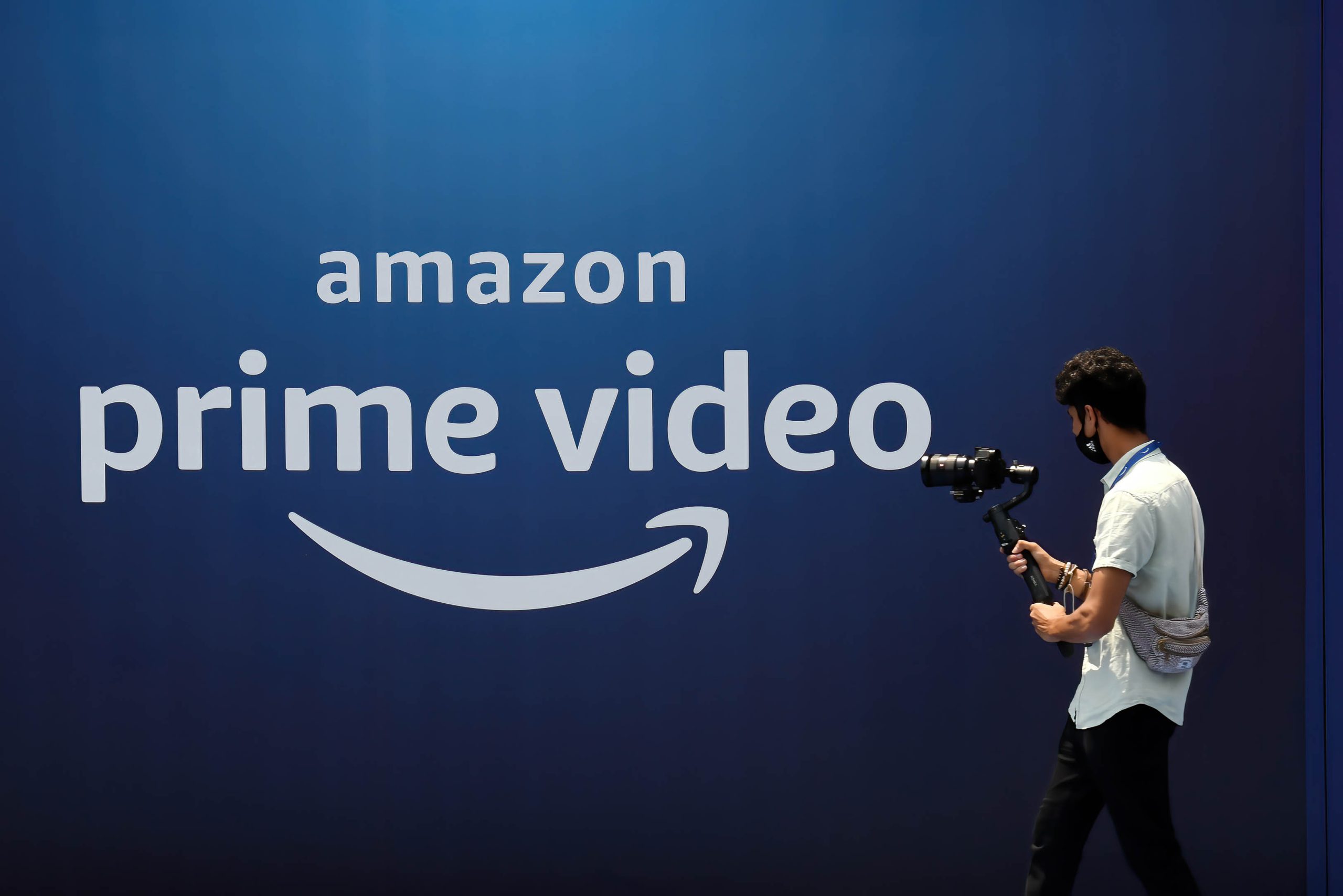
Amazon’s Prime Video streaming service is rolling out an innovative feature designed to revolutionize how subscribers catch up on their favorite series: AI-generated video recaps. This new capability, announced on Wednesday, leverages sophisticated generative artificial intelligence to craft concise, high-quality summaries of previous seasons, aiming to seamlessly re-immerse viewers in ongoing narratives. The initiative marks a significant step in the integration of AI directly into the consumer viewing experience, addressing a common challenge faced by today’s streaming audiences.
Addressing the Modern Viewer’s Dilemma
In an era defined by content abundance and fragmented viewing habits, remembering intricate plotlines and character developments across multiple seasons of a show has become increasingly difficult. Viewers often juggle subscriptions to numerous platforms, each boasting vast libraries of original programming. Long hiatuses between seasons, sometimes stretching for years, can lead to audience attrition as details fade from memory. Traditionally, streamers have relied on simple text summaries or manually edited "previously on" segments, which can be time-consuming for production teams and less engaging for viewers.
Amazon’s new "Video Recaps" feature directly tackles this problem. Utilizing generative AI, these recaps promise a premium experience, complete with synchronized narration, dialogue excerpts, and thematic music. The goal is to provide a "theatrical-quality" reminder that quickly brings viewers up to speed without requiring them to re-watch entire previous seasons. The beta rollout commenced with select Prime Originals, including popular titles like "Fallout," "Tom Clancy’s Jack Ryan," and "Upload," signaling Amazon’s confidence in the technology’s immediate applicability to its flagship content.
The Evolution of Catch-Up Tools
The concept of a "recap" is far from new in the entertainment world. For decades, broadcast television shows incorporated brief "previously on…" segments at the beginning of new episodes, manually assembled by editors to jog viewers’ memories. With the advent of digital streaming, text-based summaries became prevalent, often found in episode descriptions or dedicated "info" sections. Amazon itself pioneered an earlier AI-powered text feature, "X-Ray Recaps," which launched last year. This tool could summarize entire seasons, individual episodes, or even specific parts of episodes, with Amazon emphasizing built-in "guardrails" to prevent inadvertent spoilers.
The transition from text-based to dynamic video recaps represents a substantial leap. While text summaries offer utility, they demand active reading and lack the immersive quality of video. Video, being a primary medium for storytelling, can evoke emotions and recall visual cues more effectively, making it a powerful tool for memory recall. The shift to AI-generated video recaps suggests a future where the act of catching up becomes an integrated, high-production-value component of the viewing journey, rather than a mere utility. This move also reflects a broader trend of leveraging AI to enhance user experience in personalized and dynamic ways, moving beyond static content delivery.
How Generative AI Powers the Recap Experience
At its core, generative AI involves algorithms capable of creating new content—be it text, images, or video—based on patterns learned from vast datasets. For Prime Video’s recaps, this likely entails a sophisticated process. The AI model would analyze scripts, dialogue, visual cues, and audio tracks from entire seasons of a show. It would identify critical plot points, character arcs, and significant moments. Subsequently, it would synthesize this information, extracting relevant video clips and dialogue, generating coherent narration, and even selecting or composing appropriate background music to match the mood and pace of the original series.
The challenge lies not just in summarization but in maintaining narrative flow and emotional resonance. Creating a "theatrical-quality" recap implies a level of polish and storytelling akin to a professionally produced trailer or montage. This demands the AI to understand not just what happened, but why it matters, and to present it in a compelling, visually appealing manner. The integration of synchronized narration, dialogue, and music is crucial for this immersive quality, ensuring the recap feels like a miniature, distilled version of the show itself, rather than a disjointed collection of clips. The success of these recaps will hinge on their ability to strike a balance between conciseness and comprehensive storytelling, refreshing memories without overwhelming viewers with too much detail.
Market Impact and Competitive Landscape
The introduction of AI-generated video recaps by Prime Video is a strategic move in the highly competitive streaming market. Subscriber retention is paramount, and anything that reduces friction for viewers—like making it easier to return to a beloved series—can be a significant differentiator. By alleviating the "what happened last season?" dilemma, Amazon aims to boost engagement and prevent churn, especially for long-running shows with complex narratives.
Other major players in the streaming arena are also exploring and implementing AI in various capacities, highlighting a broader industry trend. YouTube TV, for instance, has successfully deployed its "Key Plays" feature for live sports, allowing viewers to quickly catch up on significant moments if they join a game in progress. This AI-powered tool even earned YouTube TV a Technical Emmy Award, demonstrating the value and recognition for AI’s role in enhancing the live viewing experience. While "Key Plays" focuses on event-driven content, Prime Video’s recaps apply AI to narrative storytelling, showcasing the versatility of the technology.
Netflix, another streaming giant, has been actively integrating generative AI, though primarily on the production side rather than directly for viewer-facing recap features. Netflix has publicly stated its use of generative AI in actual show and film production. For instance, the Argentine show "The Eternaut" employed AI to create a scene of a building collapsing, while "Happy Gilmore 2" utilized it for de-aging characters in its opening sequence. Producers of "Billionaires’ Bunker" leveraged AI in pre-production for envisioning wardrobe and set designs. These examples underscore AI’s growing influence across the entire content creation lifecycle, from conceptualization and visual effects to post-production and enhancement.
Social, Cultural, and Ethical Considerations
The increasing integration of AI into entertainment, particularly generative AI, has ignited a robust debate within the creative industries. Artists, writers, and technicians express legitimate concerns about potential job displacement, the ethical implications of AI models being trained on existing copyrighted work without explicit permission or compensation, and the overall impact on the "human touch" in creative endeavors. The fear is that AI, while efficient, might dilute the unique artistic vision and craftsmanship that defines human creativity.
Conversely, proponents argue that AI can serve as a powerful tool, augmenting human capabilities rather than replacing them. Platforms like Wonder Dynamics, for example, aim to streamline tedious tasks in animation and special effects, potentially freeing artists to focus on more complex, imaginative aspects of their work. From this perspective, AI can democratize access to high-end production techniques, reduce costs, and expand the overall capacity for creative output, potentially leading to more diverse and innovative content.
Prime Video’s video recaps fall into a category that aims to enhance viewer experience and retention rather than directly replacing creative roles in storytelling. However, even this application raises questions about how much control AI will eventually exert over narrative presentation. While a recap is a summary, it still involves interpretive choices about what to highlight and how to frame it. The "neutral, objective" journalistic tone rule applied here is also something that AI in content creation must strive for, which presents its own set of challenges regarding bias and accuracy.
The Future Outlook: Personalized and Seamless Viewing
The introduction of AI-generated video recaps by Prime Video is likely just the beginning of a broader trend. As AI technology advances, viewers can anticipate even more personalized and intelligent features. Imagine recaps dynamically adjusting based on a viewer’s specific watching history or preferred pacing. Future iterations could integrate interactive elements, allowing viewers to delve deeper into specific plot points or character backstories with a simple voice command or click.
Challenges remain, particularly concerning the accuracy and nuance of AI-generated content. Ensuring the AI consistently captures the subtle emotional tones and intricate plot details of complex narratives will be crucial for user acceptance. Ethical considerations around data privacy, intellectual property, and algorithmic bias will also continue to shape the development and deployment of these technologies. Ultimately, Amazon’s move signifies a future where AI plays an increasingly integral role in shaping how audiences engage with and consume digital entertainment, promising a more seamless, personalized, and deeply immersive viewing experience.