Amir Mahmud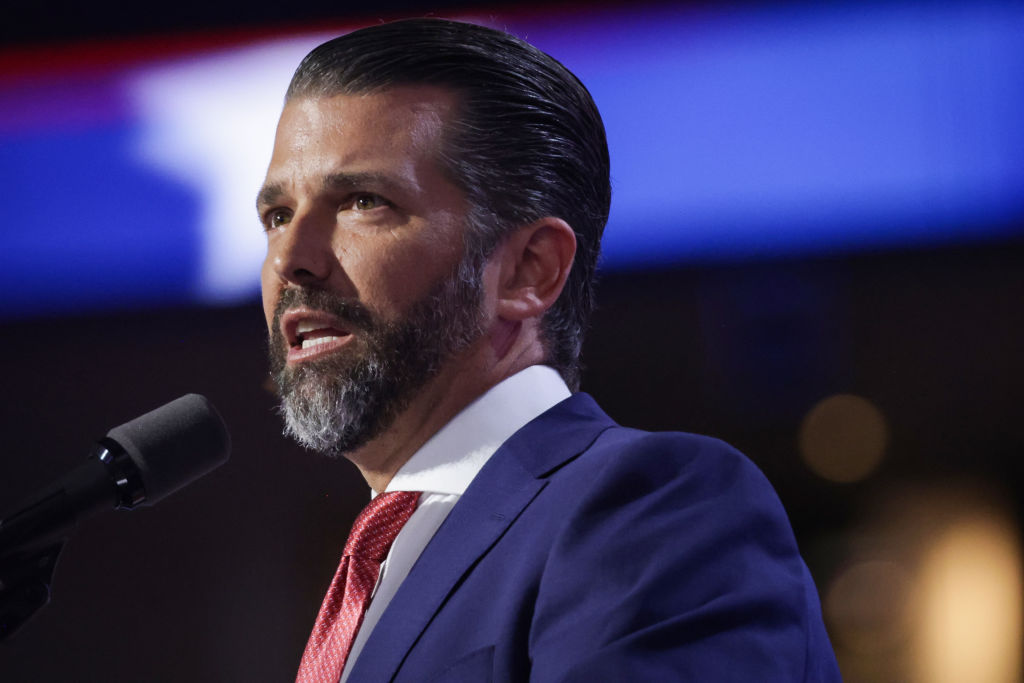
The United States Department of Defense has finalized a substantial $620 million contract with Vulcan Elements, a burgeoning startup specializing in rare earth magnets. This significant award forms a crucial part of a broader $1.4 billion strategic partnership involving the U.S. government and ReElement Technologies, aimed at bolstering and expanding the domestic supply chain for these vital materials. The announcement arrives amidst a concerted national effort to reduce reliance on foreign sources for critical components, especially those with national security implications.
A Critical Resource: The Stakes of Rare Earth Magnets
Rare earth elements are a group of 17 chemically similar metallic elements that are indispensable for a vast array of modern technologies. When combined, these elements form powerful magnets crucial for high-tech applications ranging from electric vehicles (EVs) and wind turbines to advanced defense systems and consumer electronics. Neodymium iron boron (NdFeB) magnets, in particular, are the most powerful permanent magnets commercially available and are central to many sophisticated military technologies, including precision-guided munitions, stealth technology, and advanced radar systems.
For decades, the global supply chain for rare earth elements and their refined products, including magnets, has been overwhelmingly dominated by China. This dominance, established through a combination of aggressive pricing, lower environmental standards, and strategic investment, has created a significant vulnerability for countries like the United States. Geopolitical tensions, trade disputes, and supply chain disruptions, such as those witnessed during the COVID-19 pandemic, have underscored the urgent need for Western nations to re-establish domestic capabilities in this critical sector. The reliance on a single, potentially adversarial, source for materials essential to both economic prosperity and national security presents an unacceptable risk, driving the U.S. government’s proactive measures to diversify and secure its supply chain.
The Strategic Capital Initiative and Domestic Production
This $620 million contract awarded to Vulcan Elements marks a historic milestone for the Pentagon’s Office of Strategic Capital (OSC), representing the largest award ever issued by the relatively new entity. Established with the explicit mission to bridge the "valley of death" – the challenging phase where promising defense technologies struggle to transition from research and development to full-scale commercial production due to lack of funding – the OSC plays a vital role in de-risking investments in critical national security technologies. Its mandate includes leveraging private capital alongside government funding to accelerate the development and deployment of innovative solutions that address strategic vulnerabilities.
The genesis of the OSC and similar initiatives can be traced back to growing concerns within the U.S. defense establishment and broader government about maintaining technological superiority and supply chain resilience. Following the Cold War, many domestic manufacturing capabilities, particularly in foundational industries, atrophied as globalized supply chains offered seemingly more efficient and cost-effective alternatives. However, the strategic implications of this shift became increasingly apparent in the 21st century. Successive U.S. administrations, recognizing the fragility of relying on external supply chains for critical defense components, have incrementally implemented policies and funding mechanisms to revitalize domestic industrial bases. This contract with Vulcan Elements is a direct manifestation of these efforts, aimed at fostering an ecosystem where American companies can compete and thrive in producing materials vital for national defense.
Vulcan Elements’ Trajectory and Investment Landscape
Vulcan Elements, a startup at the forefront of domestic rare earth magnet production, has rapidly gained traction within the industry. The company’s ability to secure such a substantial government contract underscores its perceived potential and the urgency of its mission. Just a few months prior to this landmark award, in August, Vulcan Elements successfully closed a $65 million Series A funding round, which was led by the prominent venture capital firm Altimeter Capital. This private investment signaled strong confidence from the market in Vulcan’s technological capabilities and business model.
The concurrent government and private sector investment highlights a growing trend where venture capital firms are increasingly looking beyond traditional tech startups to invest in "deep tech" and industrial capabilities deemed critical for national interests. This shift is partly driven by government incentives and a recognition that these sectors offer both significant financial returns and strategic value. For Vulcan Elements, the combination of private equity backing and a major government contract provides the necessary capital and validation to scale its operations, invest in advanced manufacturing facilities, and accelerate its production capabilities, thereby directly contributing to the U.S.’s goal of re-establishing a robust domestic rare earth magnet supply chain. The partnership with ReElement Technologies further indicates a comprehensive strategy to cover various aspects of the rare earth value chain, from extraction and processing to magnet manufacturing.
The Role of 1789 Capital and Political Connections
A notable aspect of Vulcan Elements’ funding structure is the involvement of 1789 Capital, a venture capital firm that counts Donald Trump Jr. among its partners. Trump Jr. joined the firm in 2024, and 1789 Capital reportedly invested in Vulcan Elements approximately three months before the Department of Defense contract was announced. This connection has inevitably drawn attention and potential scrutiny, given the firm’s association with a prominent political figure.
1789 Capital has positioned itself as an investment vehicle focused on supporting companies deemed vital to American interests and national security. The firm’s portfolio includes other significant players in the defense and technology sectors, such as SpaceX and Anduril, both of which have long-standing relationships as technology providers to the U.S. government. The Financial Times reported that at least four companies backed by 1789 Capital have received government contracts this year, suggesting a pattern of success in navigating the federal procurement landscape.
However, the direct or indirect involvement of politically connected individuals in firms receiving substantial government funding often raises questions about transparency, fairness, and potential influence. Both Vulcan Elements and a spokesperson for Donald Trump Jr. have explicitly denied any involvement by Trump Jr. in the negotiations for the Department of Defense contract. Trump Jr.’s spokesperson stated that he "had no involvement in negotiations with the government on behalf of 1789’s portfolio companies." These denials aim to mitigate concerns that political ties might have played a role in the contract award process, emphasizing that the decision was based purely on merit and strategic necessity.
Navigating Scrutiny and Ensuring Fair Procurement
The awarding of a large government contract to a company with ties to a politically prominent individual naturally invites heightened scrutiny. Public trust in government procurement processes hinges on the perception of fairness, impartiality, and adherence to strict ethical guidelines. Critics often point to such situations as potential avenues for undue influence or conflicts of interest, even if no direct wrongdoing is proven.
Government contracting agencies, including the Department of Defense, operate under stringent regulations designed to ensure competitive bidding, prevent fraud, and maintain transparency. These regulations typically require robust evaluation criteria, multiple layers of review, and mechanisms for oversight. In cases where connections to political figures exist, these processes are often subjected to even closer examination by watchdog groups, media, and congressional committees. The denials from both Vulcan Elements and Donald Trump Jr.’s representatives are crucial in attempting to frame the contract award as a standard, merit-based decision, rather than one influenced by political affiliation. Maintaining objective journalistic integrity in reporting on such matters involves presenting the facts, acknowledging the connections, and detailing the official responses without making unsubstantiated claims. The focus remains on whether established procurement protocols were followed and whether the company meets the technical and strategic requirements of the contract.
Broader Implications for U.S. Industrial Policy
This contract has far-reaching implications beyond Vulcan Elements and the rare earth magnet sector. It signals a clear commitment from the U.S. government to a more interventionist industrial policy, particularly in areas deemed critical for national security and economic resilience. The strategy involves not only direct funding but also creating an environment where private capital is incentivized to invest in these challenging, yet strategically vital, sectors.
Economically, fostering a domestic rare earth magnet industry promises job creation, enhanced manufacturing capabilities, and a more diversified industrial base. Socially, it addresses concerns about technological sovereignty and reduces the vulnerability of critical infrastructure to external disruptions. Culturally, it reinforces a narrative of American self-reliance and technological leadership. However, the path to re-establishing these complex supply chains is fraught with challenges, including high production costs, environmental regulations, and the need to cultivate a skilled workforce. The long-term success of such initiatives will depend on sustained political will, consistent funding, and the ability of companies like Vulcan Elements to scale efficiently and competitively.
Looking Ahead
The $620 million contract for Vulcan Elements represents a significant step in the U.S. strategy to secure its supply chain for rare earth magnets. While the involvement of 1789 Capital and its politically connected partner adds a layer of public interest and potential scrutiny, the core objective of the contract aligns with widely recognized national security imperatives. As the nation continues to navigate a complex geopolitical landscape, investments in critical domestic manufacturing capabilities are likely to remain a cornerstone of U.S. policy. The performance of Vulcan Elements, alongside the ongoing oversight of government procurement processes, will be closely watched as the U.S. endeavors to build a resilient and independent future for its high-tech industries and defense capabilities.