Amir Mahmud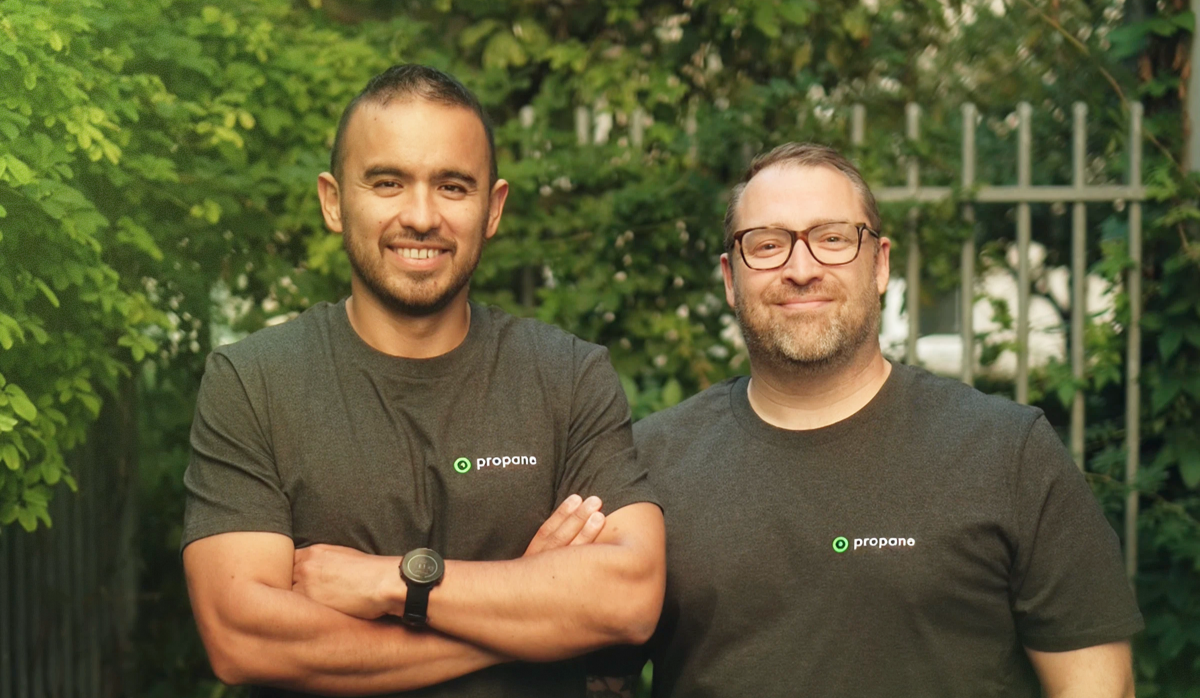
A transformative era is underway in the Nordic technology landscape, characterized by a dramatic escalation in entrepreneurial ambition and a subsequent boom in high-value enterprises. What was once a region where a €1 million funding round in a city like Copenhagen represented a significant milestone just a decade ago, has now become a fertile ground for the emergence of billion-dollar companies. This shift is exemplified by entities like Lovable, which remarkably achieved $200 million in annual recurring revenue (ARR) within merely 12 months of its inception, signaling a new paradigm of rapid scaling and market penetration.
This profound evolution has been closely observed by figures such as Dennis Green-Lieber, the founder of Propane, an AI-powered customer intelligence platform, who has witnessed the progression over the past 15 years. His analysis points to a crucial, often overlooked, catalyst: the robust social safety net embedded within Nordic societies. This foundational support system, he argues, empowers founders to undertake substantial entrepreneurial risks without jeopardizing their personal livelihoods, thereby fostering an environment conducive to accelerated growth and innovation, potentially outpacing more established tech hubs like Silicon Valley.
The Nordic Model: A Foundation for Fearless Entrepreneurship
The concept of a social safety net as a driver for aggressive entrepreneurship might seem counterintuitive at first glance. Traditionally, the entrepreneurial journey is depicted as one of high risk, personal sacrifice, and potential financial ruin. However, in countries like Denmark, Sweden, Norway, Finland, and Iceland, the comprehensive welfare state fundamentally alters this calculus. Universal healthcare, generous unemployment benefits, accessible and often free higher education, and extensive parental leave policies collectively create a cushioned environment. Should a startup fail—a common occurrence in the innovation ecosystem—founders are not left in destitution. They can access unemployment benefits, their families remain covered by healthcare, and the societal stigma of failure is significantly reduced, if not entirely absent.
This unique societal infrastructure fundamentally lowers the personal cost of failure. Entrepreneurs are less burdened by the existential dread of financial collapse, allowing them to allocate their mental and emotional energy more fully to their ventures. This freedom from acute financial anxiety encourages bolder decision-making, greater experimentation, and a willingness to "take bigger swings" in the market. The ability to return to the workforce or pursue further education with minimal economic disruption means that failure is often viewed not as an end, but as a valuable learning experience. This cultural acceptance of iterative failure is a powerful accelerator for innovation, cultivating a generation of founders who are resilient and uninhibited by the specter of personal bankruptcy.
A Historical Arc of Innovation: From Telecoms to Deep Tech
The Nordic region’s journey to its current tech prominence is not an overnight phenomenon but the culmination of decades of strategic investment, educational excellence, and a gradual shift in entrepreneurial mindset. The roots of this tech prowess can be traced back to the late 20th century, particularly with the rise of telecommunications giants like Ericsson in Sweden and Nokia in Finland. These companies established a strong engineering and R&D foundation, cultivating a highly skilled workforce and fostering an early culture of technological advancement.
In the early 2000s, the internet boom brought a new wave of startups, albeit often with more localized ambitions. However, the region soon began producing global disruptors. Skype, founded in Sweden and Denmark, revolutionized communication in the mid-2000s. Spotify, originating in Sweden, redefined the music industry in the late 2000s. The success of gaming companies like Supercell (Finland) and King (Sweden), creators of global phenomena like Clash of Clans and Candy Crush Saga, further solidified the region’s capability to build companies with international appeal and massive user bases. These early successes served as powerful proof points, demonstrating that it was indeed possible to build world-leading technology companies from the Nordics, inspiring a new generation of founders to think globally from day one. This trajectory marked a clear shift from incremental improvements to ambitious, market-shaping ventures, laying the groundwork for the current surge in deep tech and billion-dollar valuations.
Cultivating a Collaborative and Globally-Minded Ecosystem
Beyond the safety net, the Nordic tech ecosystem is characterized by a distinctive culture of collaboration and a strong international outlook. Unlike the often cutthroat competitive environments found elsewhere, Nordic startup communities frequently exhibit a more supportive and interconnected ethos. Founders often share insights, mentor new entrepreneurs, and actively participate in networking events and incubators. This collaborative spirit is partly a reflection of the broader societal values in these countries, which emphasize consensus, equality, and collective well-being.
Government initiatives and publicly funded incubators and accelerators also play a vital role in fostering this collaborative environment. These programs often provide not just funding but also mentorship, office space, and access to networks, further reducing the barriers to entry for aspiring entrepreneurs. Moreover, the relatively small domestic markets inherently push Nordic startups to adopt a global perspective from their inception. Companies are designed with international scalability in mind, often developing products and services that address universal challenges rather than niche local needs. This "born global" mindset, coupled with high English proficiency rates and a strong emphasis on digital literacy in education, positions Nordic firms advantageously on the international stage. The region’s commitment to high-quality education, particularly in STEM fields, consistently produces a talent pool equipped with advanced technical skills and an innovative mindset, crucial for the increasingly complex demands of deep tech.
The Deep Tech Frontier and Sustainable Innovation
The current wave of Nordic innovation is increasingly focused on deep technology and sustainable solutions, reflecting both global trends and the region’s intrinsic values. While consumer applications continue to emerge, there’s a pronounced shift towards areas like Artificial Intelligence, biotechnology, advanced materials, and particularly, clean technologies and sustainable energy solutions. Companies are leveraging cutting-edge research from world-class universities and combining it with entrepreneurial drive to tackle some of humanity’s most pressing challenges.
This focus on deep tech is a natural progression for a region that has consistently invested heavily in research and development. Governments and private entities alike are channeling resources into areas that promise long-term societal and economic benefits. Furthermore, the Nordic countries are globally recognized leaders in sustainability, climate action, and environmental, social, and governance (ESG) principles. This societal emphasis profoundly influences the startup landscape, attracting founders who are passionate about building businesses that not only generate profit but also create positive environmental and social impact. Investors, both local and international, are increasingly drawn to these ethically aligned, future-proof ventures, recognizing the growing market demand for sustainable innovation. This confluence of technological prowess and ethical imperative positions the Nordics as a crucial hub for developing the solutions needed for a greener, more resilient future.
Market and Societal Resonance: A Ripple Effect
The burgeoning success of Nordic tech companies is creating significant market and societal ripple effects, both within the region and globally. Economically, the tech sector is becoming a vital engine for growth, diversifying national economies that have historically relied on traditional industries like natural resources or manufacturing. It generates high-value jobs, attracts foreign direct investment, and contributes substantially to GDP. The presence of successful "unicorns" and "decacorns" creates a virtuous cycle, as experienced founders and early employees reinvest their capital and expertise into new ventures, further fueling the ecosystem’s expansion.
Socially, the rise of a dynamic tech scene is transforming career aspirations. Entrepreneurship is increasingly viewed as a viable and respected career path, attracting top talent from universities and established corporations. This cultural shift is crucial for sustained growth, ensuring a continuous pipeline of ambitious individuals willing to take the plunge. The success stories also serve as powerful role models, inspiring younger generations to pursue innovation and problem-solving through technology. Internationally, the Nordics are gaining recognition as a formidable force in the global tech arena, attracting not only investment but also skilled professionals and research collaborations from around the world. This "brain gain" phenomenon helps to counteract potential talent drain and further enriches the local ecosystems with diverse perspectives and expertise.
Navigating Future Challenges and Sustaining Momentum
Despite the current wave of success, the Nordic tech ecosystem faces its own set of challenges that must be navigated to sustain its impressive momentum. One primary concern is the escalating demand for skilled talent. As more companies scale rapidly, competition for engineers, developers, data scientists, and product managers intensifies. While local educational institutions are strong, the relatively smaller populations of these countries mean that attracting international talent will remain critical. Policies that facilitate immigration and integration for highly skilled workers will be essential.
Another challenge lies in scaling capital for later-stage funding rounds. While early-stage and seed funding has seen significant growth, the availability of large Series B, C, and D rounds might still lag behind behemoth markets like the U.S. and China. This could lead to promising Nordic companies seeking larger capital injections from outside the region, potentially impacting local ownership and control. Efforts to cultivate larger domestic venture capital funds and attract more global institutional investors will be crucial. Furthermore, maintaining the unique advantages of the "Nordic model"—its collaborative culture and robust social safety net—while integrating more deeply into competitive global markets requires careful stewardship. Governments and ecosystem stakeholders must continue to support research, innovation, and social welfare programs to preserve the very foundations that have enabled this success.
In conclusion, the Nordic region’s ascent as a global tech powerhouse is a testament to a unique blend of societal values, strategic investments, and a forward-thinking entrepreneurial spirit. The underlying strength of its social safety net, which de-risks entrepreneurship, combined with a collaborative culture, a strong focus on deep tech and sustainability, and a global mindset from inception, has created an exceptionally fertile ground for innovation. What began as ripples of local success has now transformed into a powerful current, propelling Nordic founders to take increasingly ambitious swings, and demonstrably, these bold endeavors are paying off on the global stage.