Amir Mahmud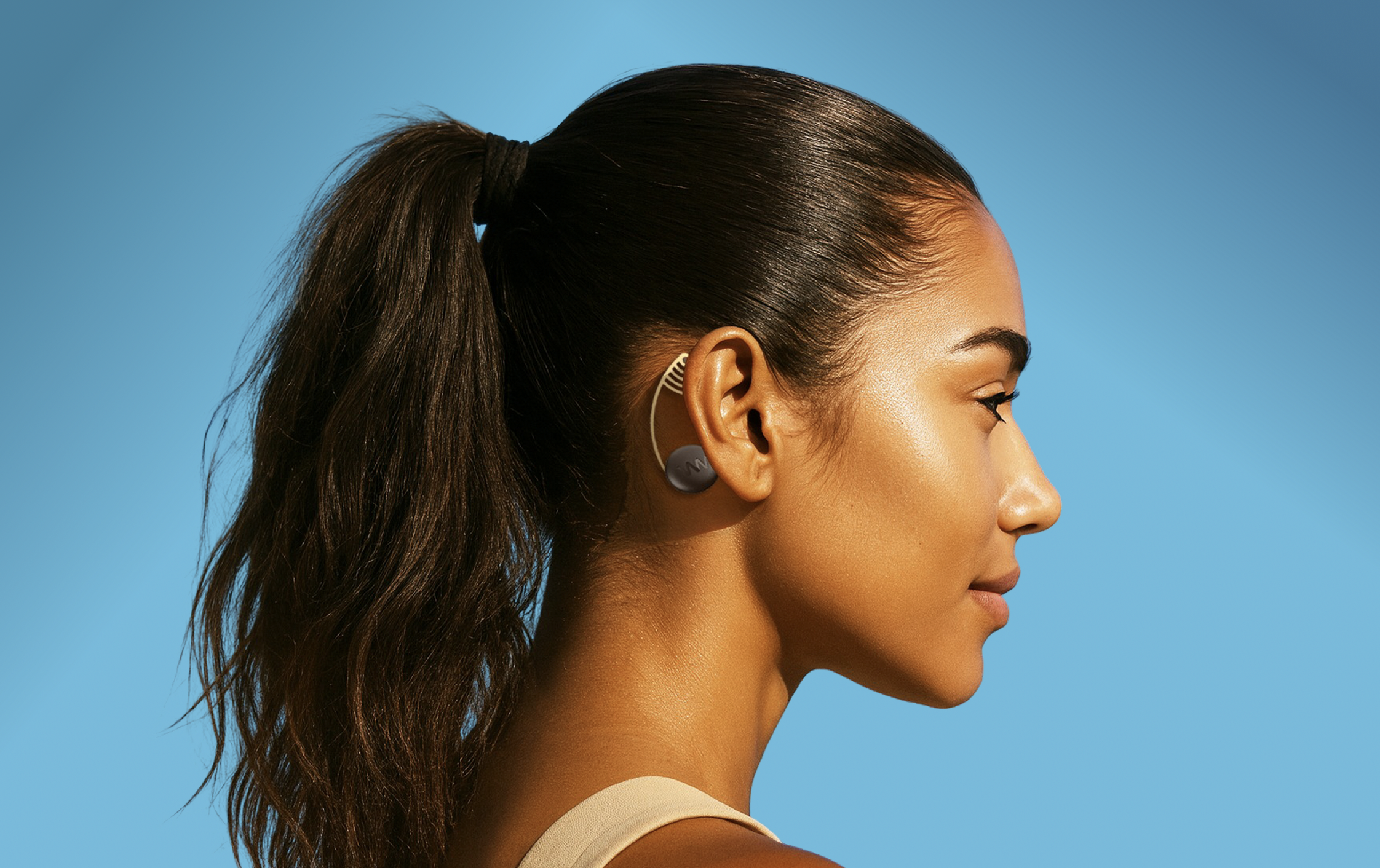
In an era increasingly defined by rapid technological advancement and escalating personal pressures, a novel device known as Awear is emerging as a potential game-changer in the proactive management of chronic stress. This innovative wearable, developed by former telecom executive Antonio Forenza, leverages electroencephalogram (EEG) technology to provide continuous brainwave monitoring, offering users real-time insights into their mental state and personalized guidance for emotional resilience. The startup’s genesis stems from Forenza’s personal quest to quantify and mitigate his own stress levels, drawing a parallel to the objective tracking provided by fitness wearables for physical health.
The Genesis of a Brainwave Tracker
Antonio Forenza, then head of research and development at Rakuten Symphony, a prominent telecom subsidiary of the Japanese conglomerate, encountered a common modern affliction: an overwhelming sense of stress. Having successfully utilized an Apple Watch a few years prior to achieve significant weight loss through step counting and calorie tracking, Forenza recognized the profound impact that quantifiable data could have on personal well-being. This experience sparked a pivotal question: could a similar, data-driven approach be applied to the more elusive realm of mental stress? His frustration stemmed from the lack of a consumer-friendly device capable of objectively measuring and tracking stress, leading him to articulate a desire to "lose 40 pounds of stress," mirroring his earlier physical health journey.
This personal realization quickly evolved into a professional mission, identifying a significant void within the burgeoning consumer health market. With a robust engineering background, Forenza embarked on developing a solution himself. His choice of technology was both established and groundbreaking in its application: the electroencephalogram (EEG). This method, which has existed for over a century, measures electrical activity in the brain, traditionally reserved for clinical diagnostics. Forenza’s vision was to miniaturize and consumerize this powerful tool, transforming it into an accessible personal health monitor.
Unpacking EEG Technology and Its Application
The electroencephalogram (EEG) is a neurophysiological measurement technique that records the brain’s spontaneous electrical activity over a period of time. Its origins trace back to the German physiologist and psychiatrist Hans Berger, who published the first human EEG recordings in 1929, identifying alpha and beta rhythms. Since then, EEG has become an indispensable tool in clinical neurology, primarily used for diagnosing conditions such as epilepsy, sleep disorders like narcolepsy and insomnia, and even certain types of brain injury or tumors. By placing electrodes on the scalp, clinicians can detect the tiny electrical impulses generated by millions of neurons communicating with each other.
Awear’s innovation lies in its adaptation of this sophisticated medical technology for a consumer audience focused specifically on stress detection. While clinical EEGs often involve numerous electrodes and complex setups, Awear aims for simplicity and continuous wearability. The device focuses on monitoring high-frequency brain waves known as beta waves. These waves are typically associated with an active, alert, or concentrated state. While a healthy level of beta wave activity is normal and necessary for daily functioning, their sustained presence at elevated levels for extended periods can be indicative of psychological stress, anxiety, and even cognitive overload. When the brain consistently operates in this high-alert state, it can lead to a cascade of negative health consequences, including exhaustion, chronic insomnia, and heightened mental distress.
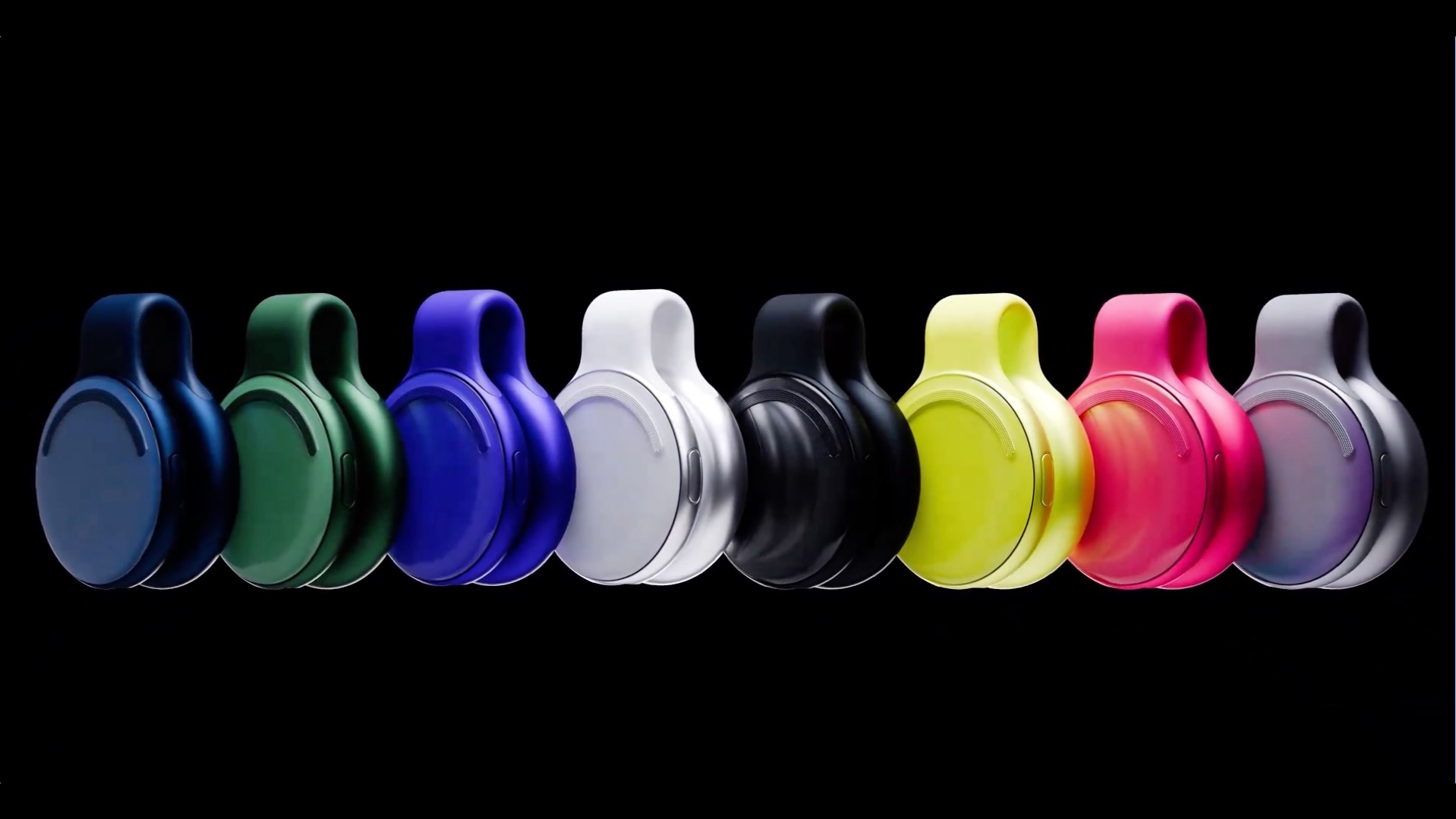
Forenza, collaborating with a team of data scientists and biomedical engineers, refined the technology to create Awear: a compact, discreet device designed to be worn comfortably behind the ear. This placement allows for continuous, unobtrusive monitoring of brainwave patterns. The collected data is then wirelessly transmitted to a companion smartphone application, which processes the information to provide users with clear insights into their current mood and stress levels. Beyond mere data presentation, the app incorporates AI-powered coaching, offering personalized advice and strategies aimed at managing acute stress and fostering long-term emotional resilience.
The Pervasiveness of Chronic Stress and Awear’s Intervention
Chronic stress is a pervasive issue in modern society, impacting millions globally. Unlike acute stress, which is a temporary "fight or flight" response to immediate threats and essential for survival, chronic stress results from prolonged exposure to stressors without sufficient recovery. This sustained activation of the body’s stress response system – primarily involving the sympathetic nervous system and the release of hormones like cortisol – can have devastating effects on both physical and mental health. Conditions such as cardiovascular disease, weakened immune function, digestive problems, and a heightened risk of depression and anxiety are all linked to chronic stress.
Forenza articulates this distinction clearly, noting that the brain is remarkably adept at normalizing its own state, often making individuals believe they are not stressed even when their physiology indicates otherwise. "It’s fine to be in ‘fight or flight’ every once in a while. It’s part of our nature," Forenza explains. "But if you fall into the trap of constant ‘fight or flight’, then that leads to chronic stress, depression, anxiety." Awear’s core premise is to break this cycle by providing objective, real-time feedback, allowing users to proactively identify and intercept excessive stress before it entrenches itself and leads to these detrimental health effects. By making the invisible visible, the device empowers individuals to take corrective actions, whether through guided mindfulness exercises, breathing techniques, or simply recognizing the need to disengage from a stressful activity.
The Broader Landscape of Wearable Health Technology
Awear enters a market that has seen an explosion in wearable health technology over the past decade. Devices like the Fitbit popularized step counting and activity tracking, while the Apple Watch integrated heart rate monitoring, ECG capabilities, and advanced fitness metrics into daily life. More recently, the Oura Ring has gained significant traction by focusing on sleep quality, heart rate variability, and recovery, offering a more holistic view of physical well-being. These devices have fundamentally shifted how individuals perceive and manage their health, moving from periodic doctor visits to continuous, personal data streams.
However, the majority of these consumer wearables have historically focused on physical metrics. While some indirectly touch upon mental states through heart rate variability (HRV) or sleep patterns, few have directly addressed brain activity in a consumer-friendly format. Awear represents a significant leap into neurotechnology for the general public, bridging the gap between sophisticated clinical tools and accessible personal health management. The growing societal awareness and reduced stigma surrounding mental health have also fueled demand for such solutions. People are increasingly seeking tools to understand and improve their cognitive and emotional well-being, recognizing it as integral to overall health. This cultural shift creates a fertile ground for technologies like Awear, positioning it at the forefront of a new wave of digital mental health innovation.
Business Strategy and Market Entry
Awear is not just a technological innovation but also a carefully strategized venture. The company recently secured a pre-seed funding round, attracting investments from notable firms such as Hustle Fund, Niremia Collective, Techstars, and The Pitch Fund. This initial capital infusion signals confidence in Awear’s potential and its ability to carve out a niche in the competitive health tech market. Looking ahead, the company plans to raise a more substantial $5 million seed round in early 2026, which will be crucial for scaling operations, expanding research and development, and preparing for a broader market launch.
Currently, Awear is available exclusively through an early-access program, targeting early adopters who are often keen to embrace cutting-edge technology. Priced at $195, this initial offering includes a complimentary lifetime subscription to the companion app, providing significant value to pioneering users. Interestingly, the early adopter group already includes numerous startup founders – a demographic notoriously susceptible to high stress levels due to the demands and uncertainties of entrepreneurial life. This specific targeting not only generates early revenue and user feedback but also taps into a community that intrinsically understands the problem Awear aims to solve.
Following its seed funding, Awear intends to launch a Kickstarter campaign, a proven strategy for consumer hardware companies. This approach, successfully utilized by brands like Peloton for fitness equipment and Oura for its smart ring, serves multiple purposes. It acts as a powerful marketing tool, generating significant visibility and cultivating a community of enthusiastic early backers. As Forenza notes, "It is a path that worked for many other wearables. It gives you a lot of visibility, and it’s a good way to acquire customers." This strategy helps de-risk production, validate market demand, and build brand loyalty even before mass production commences.
Clinical Validation and Future Potential
Beyond its immediate consumer focus, Awear is also undergoing rigorous testing in a clinical setting, lending credibility to its underlying technology. Stanford University’s psychiatry department is currently evaluating the device for its potential in detecting confusion and disorientation in elderly patients post-surgery. This application highlights the versatility of EEG technology and suggests future avenues for Awear’s development, potentially expanding its utility beyond stress management into broader neurological monitoring and cognitive health. While Forenza’s primary commercial objective remains the individual consumer market, such clinical validation underscores the scientific rigor behind the device and opens doors for future medical-grade applications or partnerships.
However, entering the neurotech space also presents unique challenges. Data privacy is paramount, especially when dealing with sensitive brainwave data. Users will need assurances regarding the security and anonymity of their personal information. Furthermore, as with any new health technology, robust independent clinical trials will be essential to definitively prove Awear’s efficacy in stress reduction and long-term mental well-being. Consumer adoption will also hinge on the device’s accuracy, ease of use, and the tangible benefits users experience. The market already features various mindfulness apps, biofeedback devices, and traditional therapeutic approaches, requiring Awear to clearly differentiate its unique value proposition.
Awear’s journey exemplifies the growing convergence of neuroscience, artificial intelligence, and consumer electronics. By democratizing access to brainwave monitoring, the startup aims to empower individuals with unprecedented insights into their mental state, moving beyond subjective self-assessment to objective, data-driven stress management. As society continues to grapple with the complexities of modern life, technologies like Awear could play a crucial role in fostering a more resilient and mentally healthier population, truly extending the concept of personalized health tracking from the body to the brain.