Amir Mahmud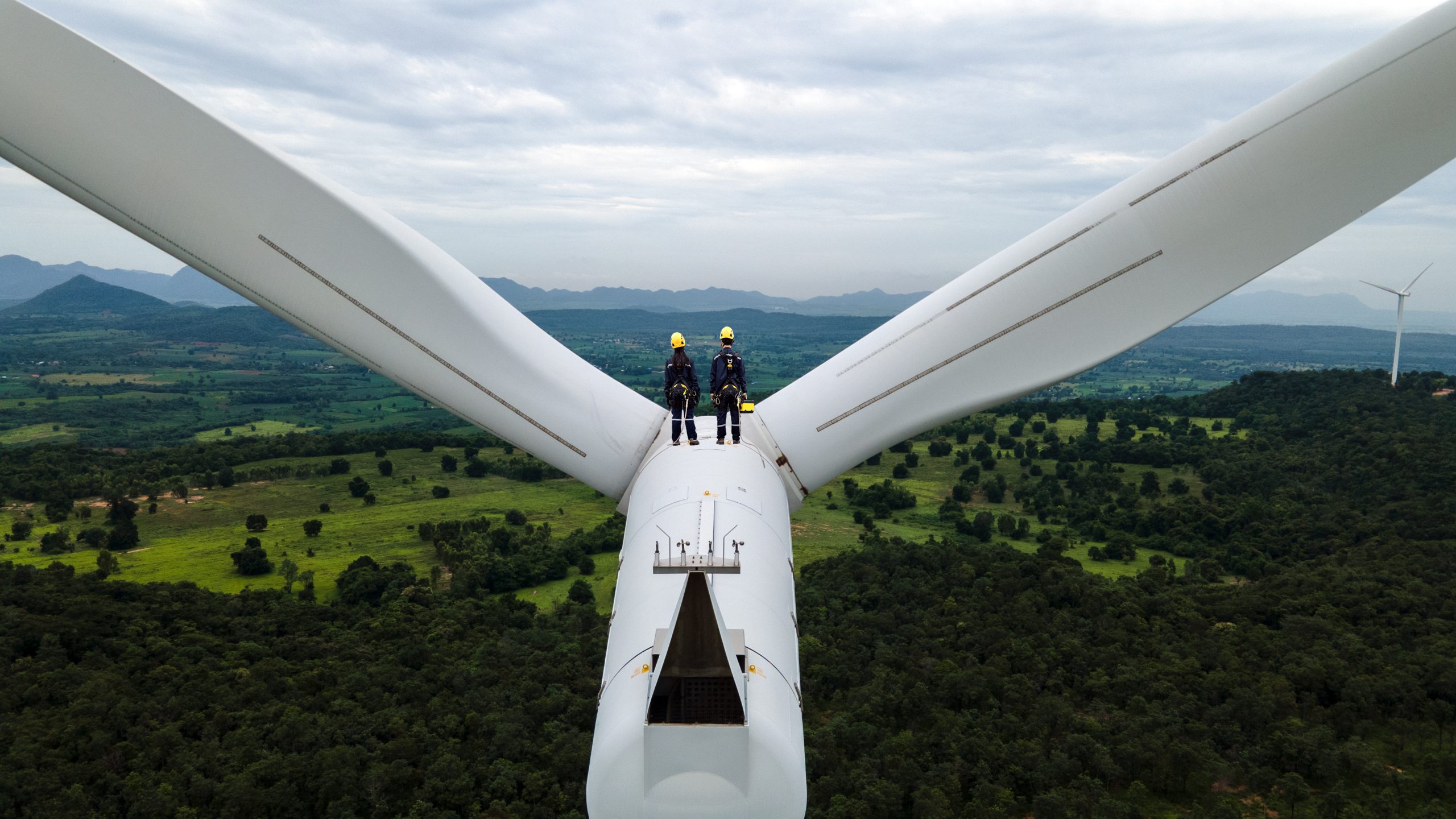
Despite prevailing narratives suggesting a cooling period for climate technology investments, a significant shift in expert opinion, particularly from the International Energy Agency (IEA), indicates that the current moment might represent an unparalleled opportunity for strategic capital deployment. This perspective stands in stark contrast to a perceived "winter season" for climate tech, where political and financial interest appears to wane, ironically coinciding with a relentless succession of record-breaking global temperatures. A recent comprehensive report from the IEA suggests that the trajectory of global energy systems has fundamentally altered, presenting a compelling case for robust engagement in climate-focused innovations. Comparing the IEA’s present assessment with its forecasts from merely a decade ago reveals a profound re-evaluation of the world’s energy future, demonstrating a dramatic acceleration in the energy transition within a single generation.
The Evolving Climate Investment Landscape
The concept of "climate tech" encompasses a vast array of innovations designed to mitigate greenhouse gas emissions and adapt to the impacts of climate change. This includes renewable energy generation, energy storage, electric vehicles, carbon capture technologies, sustainable agriculture, and advanced materials. Historically, the clean energy sector has experienced cycles of enthusiastic investment followed by periods of disillusionment, often referred to as "cleantech busts." These cycles were frequently influenced by fluctuating government policies, technological immaturity, and the challenging economics of competing with established fossil fuel industries. This history contributes to the current cautious sentiment, where some investors and market observers perceive a downturn, particularly in venture capital funding for certain climate tech startups. However, this cautious outlook might overlook deeper, systemic changes underway.
The IEA’s Pivotal Role and Shifting Baselines
The International Energy Agency, established in 1974 following the oil crisis, serves as an autonomous intergovernmental organization providing policy recommendations, analysis, and data on the global energy sector. Its annual World Energy Outlook reports are considered authoritative benchmarks, shaping policy decisions and investment strategies worldwide. The IEA’s pronouncements carry significant weight, reflecting both current energy realities and anticipated future trends.
A decade ago, in 2014, the IEA’s projections for global carbon emissions painted a largely pessimistic picture. Its "business as usual" scenario, which assumed no significant international policy interventions, predicted a continuous upward trajectory of emissions, reaching approximately 46 metric gigatons of CO2 annually by 2040. Even under the most optimistic scenario then conceived, one where countries adhered to their stated pledges for emissions reductions, the world was still projected to emit around 38 metric gigatons of CO2 per year by 2040. These forecasts essentially extrapolated past trends, anticipating linear, albeit varied, increases in carbon pollution. At that time, global efforts to curb emissions were nascent, the Paris Agreement was yet to be finalized, and the economic viability of many renewable energy technologies was still questionable for widespread adoption.
A Decade of Dramatic Revisions: From Linear Growth to Inflection Point
Fast forward to the present, and the IEA’s latest analysis presents a profoundly different outlook. The agency’s current worst-case scenario, one assuming countries continue with existing policies and technologies without any new initiatives, now projects global emissions to level off at approximately 38 metric gigatons per year by 2040. This figure is strikingly similar to what was considered the best-case outcome a mere ten years prior. Furthermore, if countries fully implement their current pledges and national commitments, the IEA anticipates emissions could fall to around 33 metric gigatons per year by 2040.
This dramatic downward revision in projected emissions is not merely a statistical adjustment; it reflects a fundamental change in the underlying dynamics of the global energy system. It indicates that the rate of change in decarbonization efforts has accelerated beyond previous expectations. While these new projections still fall short of the ambitious targets required to achieve net-zero emissions by 2050 and limit global warming to 1.5 degrees Celsius, the significant shift in trajectory within such a short timeframe suggests the world may be at a critical inflection point, where the momentum towards decarbonization is beginning to bend the global emissions curve decisively downward. This shift suggests that the "conventional wisdom" of linear growth has been supplanted by a reality of accelerating transformation.
Catalysts for Change: Technology, Policy, and Market Forces
Several powerful forces have converged over the past decade to drive this re-evaluation of future emissions, fundamentally reshaping the energy landscape:
Technological Breakthroughs and Cost Reductions
The rapid maturation and plummeting costs of key clean energy technologies have been primary drivers.
- Solar Photovoltaics: The cost of solar power has decreased by over 80% in the last decade, making it the cheapest form of electricity generation in many regions. Advances in panel efficiency, manufacturing scale, and grid integration have made solar an indispensable component of the global energy mix.
- Wind Power: Similarly, the cost of wind energy, particularly offshore wind, has fallen significantly. Turbine technology has advanced, leading to larger, more efficient models capable of harnessing greater amounts of energy.
- Battery Storage: The cost of lithium-ion batteries, crucial for electric vehicles and grid-scale energy storage, has dropped by over 90% since 2010. This has made intermittent renewable energy sources like solar and wind more dispatchable and reliable, fundamentally altering grid dynamics.
- Emerging Technologies: While solar, wind, and batteries have led the charge, other innovations are poised to contribute significantly. Advanced geothermal systems, utilizing enhanced drilling techniques to access vast underground heat resources, are moving from niche applications to potential mainstream solutions. Grid-optimizing software, leveraging artificial intelligence and data analytics, is becoming critical for managing increasingly complex and decentralized energy grids, maximizing efficiency and integrating diverse energy sources. Technologies like green hydrogen, sustainable aviation fuels, and direct air capture are also progressing, targeting hard-to-decarbonize sectors.
Policy Support and Global Commitments
Government policies have played a crucial role in de-risking investments and accelerating adoption.
- Incentives: Major legislative packages, such as the Inflation Reduction Act in the United States, provide substantial tax credits and incentives for clean energy deployment, manufacturing, and innovation. Similar initiatives are active in Europe (e.g., REPowerEU) and Asia.
- International Agreements: The Paris Agreement, adopted in 2015, established a global framework for climate action, with countries setting nationally determined contributions (NDCs) for emissions reductions. While implementation varies, the agreement has fostered a shared global objective.
- Corporate and Social Pressure: Growing public awareness of climate change, coupled with increasing investor demand for ESG (Environmental, Social, and Governance) compliant companies, has pushed corporations to adopt ambitious sustainability targets and invest in decarbonization.
Global Demonstrations of Accelerated Change
Several recent developments underscore the accelerating pace of the energy transition:
- German Electric Vehicle Market Resilience: In Germany, a major automotive market, sales of electric vehicles have continued to set new records, even after the government phased out purchase incentives in 2023. This demonstrates a maturing market where consumer demand, driven by performance, environmental awareness, and decreasing total cost of ownership, is becoming self-sustaining, rather than solely reliant on subsidies. This trend is reflective of broader shifts in consumer preferences across many developed economies.
- Renewables Reshaping Developing Economies: For decades, developing nations were often perceived as being constrained by the high upfront costs of renewable energy and their reliance on cheaper, readily available fossil fuels for economic growth. However, this narrative is rapidly changing. Renewable energy projects now offer these nations a pathway to energy security, reduced import dependency, and decentralized power generation, bypassing the need for extensive, centralized fossil fuel infrastructure. Countries in Africa, Southeast Asia, and Latin America are increasingly leveraging solar, wind, and hydro power to electrify rural areas, power industrial growth, and improve energy access, fostering significant economic and social development.
- China’s Decarbonization Pledge: China, the world’s largest emitter, has made a significant commitment that its carbon emissions will peak before 2030. This is a monumental shift for a nation that has experienced rapid industrialization and energy demand growth. While China remains heavily reliant on coal, its massive investments in renewable energy manufacturing and deployment, along with its aggressive push into electric vehicles, position it as both a major challenge and a critical player in global decarbonization efforts. This commitment reflects a growing understanding of the economic and environmental benefits of transitioning to a cleaner energy system.
The Investment Horizon: Beyond the Immediate "Gloom"
For many venture capitalists and private equity firms focused on climate tech, the current market sentiment can indeed feel challenging. Rising interest rates, geopolitical uncertainties, and a general tightening of capital markets have created headwinds, leading to more rigorous due diligence and a focus on profitability over rapid growth. This period, however, could be interpreted not as a fundamental rejection of climate tech, but rather as a natural market correction, separating truly disruptive and scalable solutions from less viable ventures.
For investors with a long-term perspective, the IEA’s revised projections and the accelerating pace of technological and policy shifts present a compelling argument for strategic engagement. The market for climate solutions is not transient; it addresses a persistent, escalating global challenge that demands sustained innovation and massive capital allocation. Opportunities abound in sectors such as:
- Grid Modernization and Infrastructure: Upgrading aging electricity grids to handle intermittent renewables and distributed generation.
- Industrial Decarbonization: Developing solutions for heavy industries like steel, cement, and chemicals, which are difficult to electrify.
- Sustainable Transportation: Beyond passenger EVs, focusing on decarbonizing shipping, aviation, and heavy-duty transport.
- Carbon Management: Advancements in carbon capture, utilization, and storage (CCUS) and natural carbon sequestration.
- Climate Adaptation and Resilience: Technologies that help communities and infrastructure adapt to the unavoidable impacts of climate change, from smart water management to resilient building materials.
The profound transformation in the IEA’s forecasts over just one decade is a powerful testament to the accelerating energy transition. While the immediate investment climate may present challenges and require discerning judgment, the underlying trajectory of global energy systems points towards an unavoidable and massive shift. For those investors capable of looking beyond the transient market "gloom" and identifying the foundational technologies and systemic changes at play, the current era may indeed represent an extraordinary window for dramatic long-term returns and significant positive impact. The world’s expectations for its energy future have changed irrevocably, creating a fertile ground for innovation and investment in climate solutions.