Amir Mahmud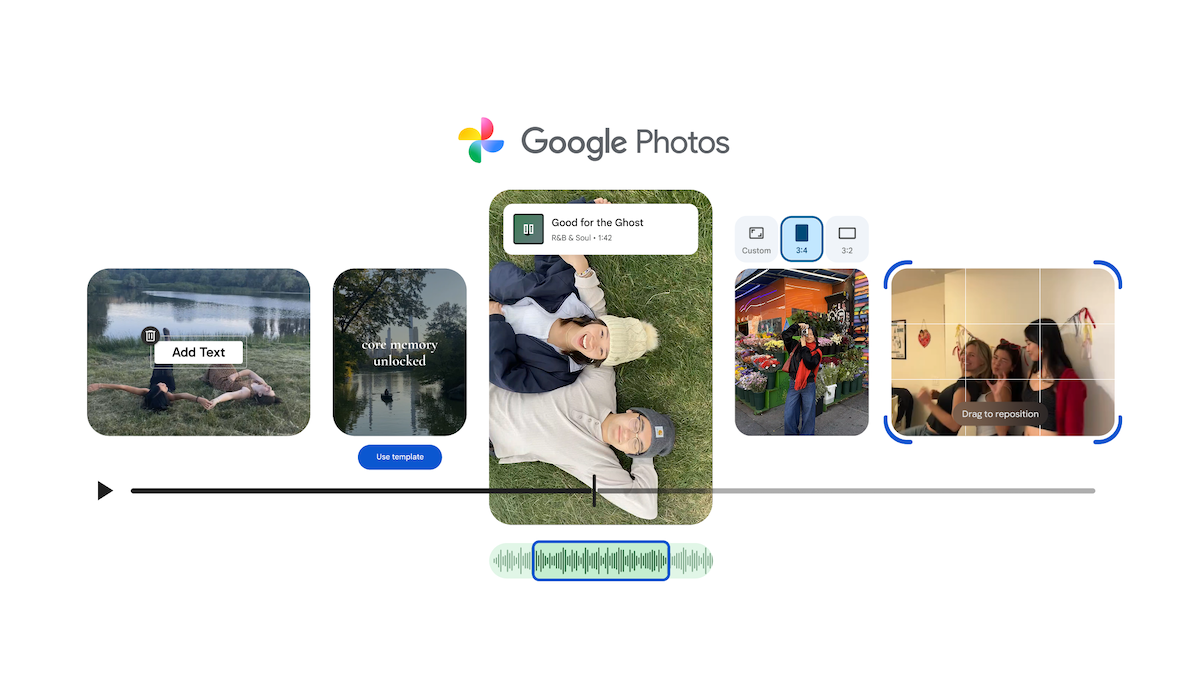
Mountain View, California – Google Photos, the ubiquitous digital repository for billions of personal memories, has announced a significant enhancement to its video editing capabilities. The update introduces a suite of new features designed to streamline the process of video creation and the production of highlight reels, signaling a strategic move to empower its vast user base with more sophisticated yet accessible content tools. These additions include specialized templates with integrated music and text overlays, alongside a completely redesigned video editor, promising a more intuitive and efficient user experience across both Android and iOS platforms.
A Legacy of Digital Memory Management
To fully appreciate the scope of this update, it’s essential to consider the journey of Google Photos. Launched in 2015 as a standalone service, it emerged from the ashes of Picasa, Google’s earlier photo management software. Google Photos quickly distinguished itself by offering unlimited, high-quality photo and video storage, a groundbreaking feature that rapidly attracted hundreds of millions of users worldwide. This unparalleled offering positioned it as the de facto cloud storage solution for mobile device users, seamlessly backing up every moment captured. The service became an indispensable tool for managing the ever-growing digital footprint of its users, evolving beyond simple storage to incorporate intelligent organization, search, and sharing functionalities powered by Google’s formidable artificial intelligence and machine learning capabilities.
Over the years, Google Photos has undergone several transformations. The most notable shift occurred in 2021 when the era of unlimited free storage for "high-quality" photos came to an end, transitioning to a model where all new uploads counted towards a user’s 15 GB of free Google Account storage. This change, while initially met with some user apprehension, underscored Google’s commitment to monetizing its services and further integrating Photos into its broader ecosystem, including Google Drive and Gmail. Despite this shift, Google Photos remains a dominant player, constantly refining its offerings to maintain user engagement and provide value, with editing tools being a critical component of that value proposition.
Empowering Storytelling: New Creation Tools
The core of the recent announcement revolves around making video content creation more accessible. A key innovation is the introduction of specialized templates, initially rolling out to Android devices. These templates come pre-loaded with curated music and customizable text options, enabling users to transform a selection of their personal photos and video clips into professional-looking highlight reels in a matter of seconds. The process is straightforward: users simply select a desired template, then handpick the visual content they wish to include. Google Photos’ intelligent algorithms then take over, automatically synchronizing the chosen media with the musical beat, creating a dynamic and engaging narrative.
This feature significantly lowers the barrier to entry for video editing, moving it from a potentially complex, time-consuming task to a quick, guided process. Highlight reels, often compiled from memorable events like vacations, birthdays, or family gatherings, can now be generated with unprecedented ease. Users can initiate this process directly from the "Create" tab within the app, navigating to the "Highlight Video" option. This seamless integration ensures that the tools are not hidden behind layers of menus, but are readily available for spontaneous creative impulses.
Redesigned Editor for Enhanced Control
Beyond the automated templates, Google Photos has also unveiled a comprehensively redesigned video editor, now available across both Android and iOS platforms. This overhaul represents a significant investment in improving the granular control users have over their video content. The previous editing interface, while functional, often felt less integrated and intuitive compared to dedicated video editing applications. The new editor addresses these concerns with several key improvements.
A standout feature is the "universal timeline," which provides users with a consolidated view of all video clips and other content within a single project. This centralized interface allows for easier arrangement, trimming, and manipulation of media segments, offering a clearer overview of the entire video sequence. Complementing this is an "adaptive canvas," an intelligent interface element that dynamically adjusts its layout and presented tools based on the user’s current editing needs or the specific characteristics of the video project. This responsiveness aims to minimize clutter and present relevant options precisely when they are needed, enhancing efficiency and reducing the learning curve. Furthermore, the redesigned editor now allows users to effortlessly incorporate music and text overlays directly into individual video clips, offering more precise control over the narrative flow and aesthetic presentation of their short-form videos. Notably, this redesigned editor is set to become the default video editing tool on Android devices, signifying Google’s confidence in its improved usability and feature set.
Soundtracks and Personal Touches
The ability to perfectly pair visuals with an appropriate soundtrack is crucial for engaging video content. Recognizing this, Google Photos has integrated an expanded music library, accessible on both Android and iOS devices, allowing users to explore and select ideal audio accompaniments for their highlight videos. This curated collection aims to provide diverse options suitable for various moods and themes, eliminating the need for users to source external music.
Adding a personal voice or context to videos is also made easier with new customization options for text overlays. Android users can now add their own custom text to highlight videos, with expanded choices for fonts, colors, and backgrounds. This level of customization empowers users to inject their unique style and message into their creations, further personalizing their digital stories. These features collectively cater to a growing demand for quick, easy, and aesthetically pleasing video content that can be shared across social platforms or cherished privately.
Market Impact and Competitive Landscape
The rollout of these advanced video editing features by Google Photos is not an isolated development but rather a strategic response to evolving user behaviors and a dynamic competitive landscape. The proliferation of smartphones equipped with high-quality cameras has transformed every individual into a potential content creator. Platforms like TikTok, Instagram Reels, and YouTube Shorts have normalized and popularized short-form video content, creating a massive demand for tools that facilitate its rapid creation and sharing.
Google’s move positions Photos more firmly as a central hub for not just storing memories, but actively crafting them into shareable narratives. By making sophisticated editing accessible within an app that billions already use for photo management, Google aims to reduce friction and keep users within its ecosystem. This strategy also serves to compete more effectively with rival platforms and services. Apple Photos, for instance, offers robust native editing capabilities on iOS and macOS, while numerous third-party apps like InShot, CapCut, and Adobe Premiere Rush provide advanced mobile video editing. By enhancing its own offerings, Google Photos seeks to diminish the need for users to export their media to external applications for editing, thus solidifying its role as an all-in-one solution.
From a social and cultural perspective, these tools contribute to the ongoing democratization of video production. What once required specialized software and technical skills can now be accomplished with a few taps on a smartphone. This ease of creation encourages more people to engage in digital storytelling, fostering a culture where personal narratives are increasingly expressed through dynamic visual and auditory mediums. The integration of AI-powered templates further simplifies this, allowing users to achieve polished results without deep editing knowledge, effectively making everyone a potential editor.
The Future of Mobile Storytelling
The enhanced video editing suite in Google Photos reflects a broader industry trend towards integrated, intelligent, and user-friendly creative tools. As artificial intelligence continues to advance, we can anticipate even more sophisticated automated editing features, perhaps including automatic scene detection, intelligent cropping, or even AI-generated voiceovers. The ability to quickly transform raw footage into compelling stories is becoming a fundamental expectation for modern digital platforms.
For Google, these updates are crucial for maintaining the relevance and utility of Google Photos in a world awash with digital content. By continuously evolving its features, especially in the realm of video, Google ensures that its service remains an indispensable tool for managing, preserving, and now, more powerfully than ever, celebrating life’s moments. The future of mobile storytelling looks set to be one where creativity is empowered by intuitive technology, and platforms like Google Photos are at the forefront of this exciting evolution.