Amir Mahmud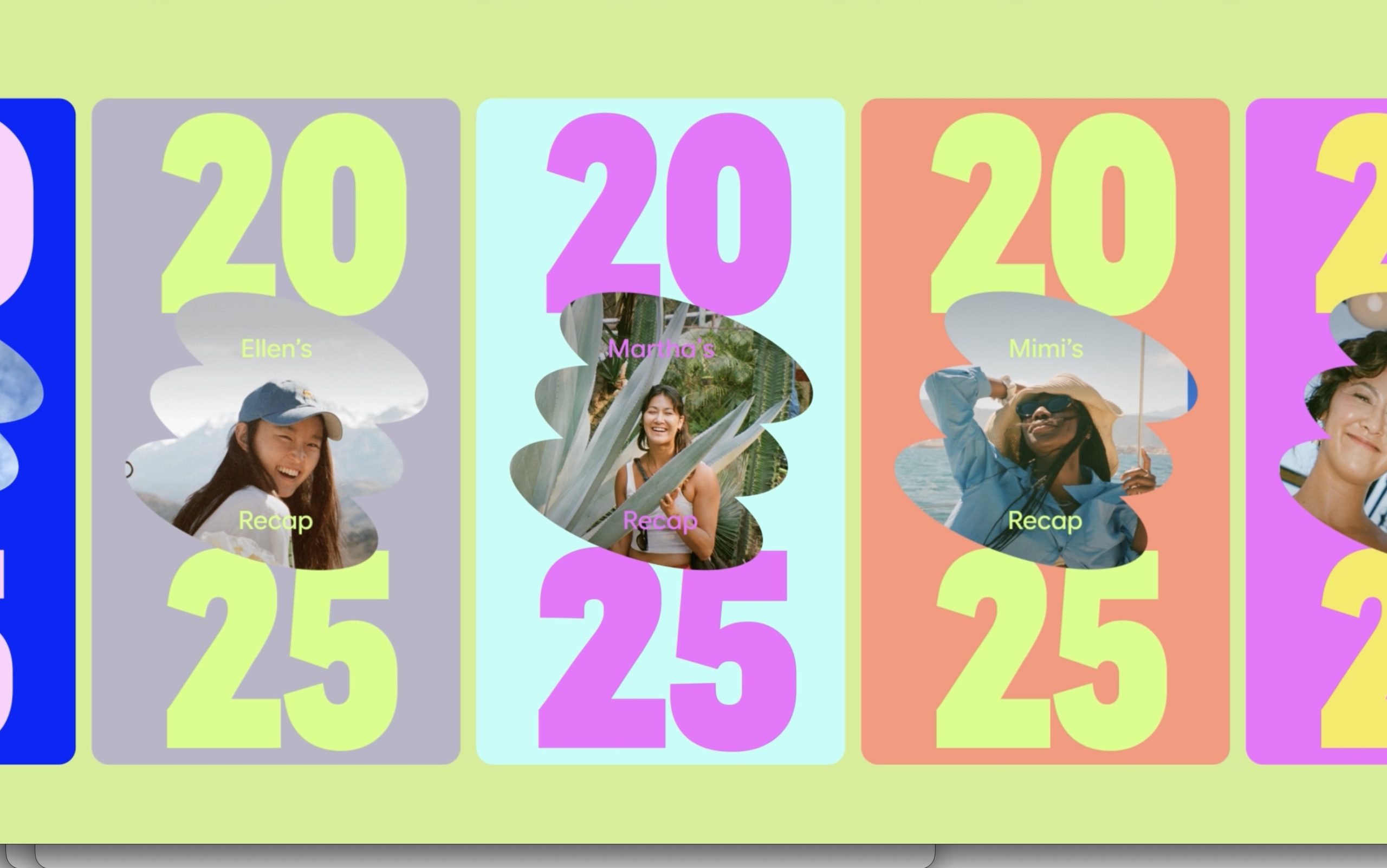
Google Photos is redefining how users revisit their past with the introduction of its 2025 year-end Recap, a sophisticated annual review feature now deeply integrated with Google’s advanced artificial intelligence, Gemini. This latest iteration promises a more intelligent and personalized journey through a user’s photographic history, moving beyond simple chronological displays to intelligently surface core memories, significant events, and even recurring interests. The feature, currently rolling out to users in the United States, represents a significant step in leveraging multimodal AI to transform vast digital archives into curated, meaningful highlights, akin to a bespoke digital scrapbook crafted by an unseen intelligent hand.
The Evolution of Digital Memories
The concept of a "year-in-review" is not novel, but its digital manifestation has evolved dramatically. For decades, physical photo albums served as tangible repositories of family histories and personal milestones, meticulously curated by hand. The advent of digital cameras and, later, smartphones, democratized photography, leading to an explosion in the sheer volume of images captured. This abundance, however, also created a new challenge: how to navigate and make sense of thousands, often tens of thousands, of digital photos. Early solutions like Flickr and Google’s own Picasa offered basic organization, but the true revolution arrived with cloud-based platforms.
Google Photos, launched in 2015, quickly became a dominant player by offering seemingly unlimited storage and powerful search capabilities, allowing users to find specific photos by subject, location, or even the people in them, all powered by nascent AI. This marked a shift from manual organization to algorithmic curation. Concurrently, a cultural phenomenon emerged around annual digital summaries, popularized by services like Spotify Wrapped, which transformed personal data into shareable, visually engaging narratives. Other platforms, from Facebook’s "On This Day" memories to "time-traveling" apps like Timehop, capitalized on the human desire for nostalgia, delivering algorithmically generated throwbacks. Google Photos’ own Recap, first introduced in 2024, was a direct response to this trend, aiming to provide its users with a similar, data-powered retrospective experience. The 2025 version, however, marks a significant leap forward by entrusting its core memory-finding mission to the sophisticated capabilities of Gemini.
Gemini’s Role in Personal Storytelling
At the heart of the enhanced 2025 Recap lies Google’s Gemini, a family of large language models renowned for its multimodal capabilities. Unlike previous AI iterations that primarily relied on metadata or simple object recognition, Gemini can process and understand information across various modalities—text, images, audio, and video—in a more integrated and nuanced way. When applied to a user’s photo archive, this means Gemini can do more than just identify faces or landmarks; it can infer context, discern activities, recognize patterns indicative of hobbies, and even gauge the emotional tone of moments captured over the year.
This advanced understanding allows the AI to move beyond merely selecting popular photos based on engagement metrics or frequency. Instead, Gemini aims to identify truly meaningful highlights, such as recurring weekend adventures that signify a hobby, a series of photos documenting a significant personal project, or even subtle visual cues that indicate a shift in personal interests. By analyzing the entire archive with this deeper contextual awareness, Gemini promises to craft a Recap that feels less like an automated slideshow and more like a personalized story of the user’s year, replete with themes and insights that might otherwise go unnoticed. This serves as a significant real-world application and a crucial "testing ground" for Gemini, providing invaluable data and feedback for further refining its understanding of complex human experiences as expressed through digital media. The initiative showcases Google’s broader strategy to weave its powerful AI models more deeply into its ecosystem of products, enhancing user experience through intelligent personalization.
Enhancing the User Experience: New Features and Customization
The 2025 Recap brings a suite of new features designed to make the annual review more comprehensive, customizable, and shareable. Beyond the AI-driven selection of photos, users will gain access to detailed photo statistics that provide quantitative insights into their year. This includes the total photo count, a breakdown of top people featured in their memories, and, a new addition for this year, a dedicated tally of selfies taken. These statistics offer a fun, data-driven perspective on personal photography habits, adding another layer to the reflective experience.
Understanding that personal memories are inherently subjective and sometimes contain sensitive elements, Google Photos has also introduced enhanced user controls. Users now have the ability to hide specific individuals or particular photos from their Recap. Once these exclusions are made, the Recap can be regenerated, offering an updated version that aligns more closely with the user’s preferences. This level of granular control is crucial for maintaining privacy and ensuring that the curated memories are genuinely positive and desired.
Sharing has also been significantly streamlined and expanded. The Recap, once generated, is designed for easy dissemination across social media platforms and messaging apps. A notable new integration allows users to export their Recap directly to CapCut, a popular photo and video editing application. This integration provides a dedicated button at the end of the Recap, enabling users to further customize their annual review using CapCut’s templates and editing tools, adding a creative dimension to their shared memories. Furthermore, a new carousel feature at the conclusion of the Recap offers a selection of short videos, collages, and individual photos specifically optimized for sharing in group chats or as updates on social media. A direct sharing option to WhatsApp Status underscores the platform’s commitment to facilitating effortless sharing within popular communication channels.
Accessing the Recap is straightforward; if it doesn’t appear automatically, users can request its generation via an option at the top of the Google Photos app. Once viewed, the Recap remains accessible throughout December, either within the Memories carousel or pinned in the Collections tab, ensuring users have ample opportunity to revisit and share their year’s highlights. Additionally, Google Photos plans to release a series of supplementary 2025 highlights throughout the month, offering continuous bursts of nostalgic content.
The Broader Impact: Privacy, Personalization, and the Digital Self
The integration of advanced AI like Gemini into deeply personal services like Google Photos prompts important discussions around privacy, the nature of personalization, and how we construct our digital selves. On one hand, the promise of an AI that can intelligently sift through thousands of images to identify truly meaningful moments is incredibly appealing. It alleviates the burden of manual curation and offers a fresh perspective on one’s own life, potentially unearthing forgotten joys or patterns. This level of personalization can significantly enhance user engagement and satisfaction, making the vast digital archive feel more manageable and relevant.
However, such deep personalization relies on granting AI access to an intimate dataset. While Google maintains robust privacy protocols and offers user controls for content exclusion, the very act of an algorithm "understanding" personal hobbies or significant life events from visual data raises questions about data inference and user autonomy. The transparency of how these AI decisions are made, and the extent to which users can audit or influence them, will be crucial for building trust. This dynamic between convenience and control is a recurring theme in the age of pervasive AI.
Culturally, these AI-curated recaps contribute to the evolving landscape of digital nostalgia and self-presentation. In an era where individuals meticulously curate their online personas, an AI-generated summary offers a potentially more authentic, albeit still algorithmically mediated, reflection of their year. The ease of sharing these recaps further embeds them into social media rituals, where they become another facet of personal branding and connection. This also creates a competitive dynamic among major tech platforms, with AI capabilities becoming a key differentiator in attracting and retaining users for photo management services against rivals like Apple Photos and Amazon Photos.
Looking Ahead: The Future of AI-Curated Nostalgia
The 2025 Google Photos Recap, powered by Gemini, is more than just an annual feature; it’s a window into the future of how we interact with our personal digital histories. It signals a move towards proactive, intelligent curation, where AI doesn’t just store our memories but helps us understand and appreciate them. The "testing ground" aspect of Gemini’s involvement suggests that this is just the beginning. We can anticipate even more sophisticated AI capabilities in the future, perhaps leading to AI-generated documentaries of life events, dynamic photo albums that evolve with user preferences, or even interactive memory experiences that transcend simple slideshows.
The continuous refinement of AI models like Gemini, coupled with user feedback and evolving privacy standards, will shape how these technologies integrate into our daily lives. As digital archives continue to grow, the role of AI in making sense of this immense personal data will become indispensable. Google Photos, with its Gemini-infused Recap, is at the forefront of this transformation, offering a glimpse into a future where our digital past is not just preserved, but intelligently understood and beautifully presented, fostering a deeper connection to our own life stories.