Amir Mahmud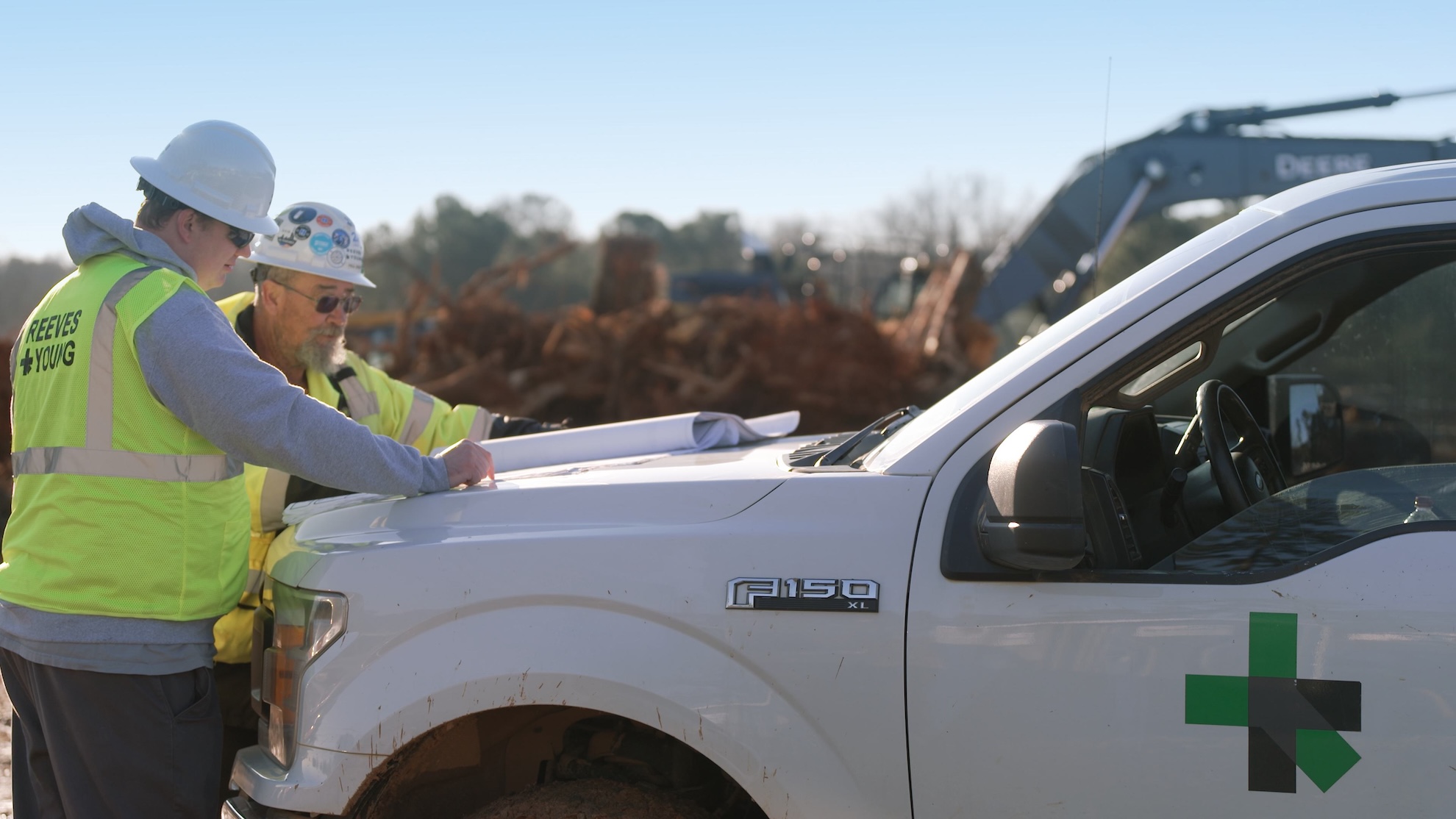
Ford has introduced an advanced artificial intelligence assistant designed to revolutionize how commercial fleet owners manage their operations, aiming to significantly enhance safety and drive profitability. The debut of Ford Pro AI at Work Truck Week in Indianapolis marks a pivotal moment in the automotive industry’s accelerating shift towards software-defined services and data-driven solutions. This new AI platform is now available to all U.S.-based Ford Pro telematics subscribers, seamlessly integrating into their existing subscriptions.
The Dawn of Ford Pro AI
At its core, Ford Pro AI is engineered to process and analyze vast quantities of data points generated by commercial vehicles, translating raw metrics into actionable insights for fleet managers. Unlike a conventional chatbot, Ford emphasizes that its proprietary system offers detailed, nuanced information, moving beyond mere diagnostic error codes. The platform provides comprehensive reports on critical operational parameters such as fuel consumption, driver behavior including seatbelt usage, idle times, speeding incidents, and aggressive acceleration events, alongside crucial vehicle health metrics. This granular visibility empowers managers to proactively address issues, optimize performance, and ensure compliance across their entire fleet. The company currently boasts over 840,000 global subscribers for its Ford Pro telematics services, with an undisclosed number of U.S. subscribers now gaining access to this enhanced AI capability.
A Deeper Dive into Fleet Telematics and AI Integration
The introduction of Ford Pro AI represents a significant evolution in the field of fleet telematics. Historically, telematics systems, which originated with basic GPS tracking in the late 20th century, primarily focused on location services and rudimentary vehicle diagnostics. Early systems allowed businesses to track their assets, monitor routes, and log mileage, providing foundational data for logistics and compliance. Over time, these systems evolved to include more sophisticated data collection, such as engine performance, harsh braking, and idle time, leveraging onboard diagnostic (OBD-II) ports and dedicated hardware.
Today’s telematics market is characterized by a drive towards greater integration and intelligence. Fleet managers face mounting pressures to reduce operational costs, enhance driver safety, improve efficiency, and ensure regulatory compliance. Traditional telematics data, while valuable, often requires significant manual effort to analyze and interpret. This is where AI integration becomes a game-changer. By leveraging machine learning algorithms and predictive analytics, AI can sift through millions of data points with unparalleled speed and accuracy, identifying patterns, anomalies, and potential issues that might elude human analysis. Ford Pro AI, built on Google Cloud and utilizing multiple AI agents, exemplifies this next-generation approach. Its "secret sauce," according to Ford, lies in its ability to harness internal data from each customer’s specific fleet, significantly reducing the potential for AI "hallucinations" or errors and ensuring the insights provided are highly relevant and accurate for individual operations.
Strategic Vision: Ford’s Software-Centric Future
Ford Pro, the company’s dedicated commercial division encompassing everything from Super Duty trucks to sales for government and rental customers, has rapidly emerged as a critical profit center for the automaker. In 2025, Ford Pro reported an impressive $66.3 billion in revenue and a net income of $6.8 billion, underscoring its financial importance to the company. The division’s success is further highlighted by a 30% growth in paid software subscriptions in 2025 alone, indicating a strong market appetite for value-added digital services. The launch of Ford Pro AI is a natural extension of this strategy, aiming to provide even greater value to its paying customers and solidify its market leadership in the commercial vehicle segment.
This commercial initiative is part of a broader, company-wide pivot towards software and AI. Earlier in 2026, at CES, Ford announced plans to develop a consumer-focused AI assistant for owners of its passenger cars and trucks. This consumer AI is slated to debut within the company’s smartphone application before being integrated directly into vehicles by 2027. This parallel development highlights Ford’s comprehensive strategy to embed AI capabilities across its entire product portfolio, from work trucks to family SUVs. The automotive industry as a whole is increasingly recognizing software as a crucial differentiator and a significant new revenue stream. Major automakers are investing heavily in developing software-defined vehicles, telematics platforms, and subscription services, transforming cars from mere hardware into intelligent, connected ecosystems. This shift is driven by evolving customer expectations for seamless digital experiences, the potential for recurring revenue, and the competitive imperative to innovate in areas beyond traditional manufacturing.
Impact on Fleet Operations and Beyond
The implications of Ford Pro AI for fleet operations are multifaceted, promising significant advancements in safety, efficiency, and cost management.
- Enhanced Safety and Compliance: The ability to monitor driver behavior, particularly seatbelt usage, speeding, and harsh acceleration, provides fleet managers with invaluable data to foster a culture of safety. This data can inform targeted driver training programs, identify at-risk behaviors, and contribute to a reduction in accidents. Improved safety not only protects drivers and assets but can also lead to lower insurance premiums and better compliance with transportation regulations, mitigating legal and financial risks for businesses.
- Optimized Operational Efficiency: By offering detailed insights into fuel consumption and idle times, the AI assistant empowers managers to identify inefficiencies and implement corrective measures. This could include optimizing routes, encouraging more fuel-efficient driving habits, or scheduling maintenance proactively to prevent breakdowns. Predictive maintenance, informed by vehicle health data, ensures vehicles are serviced before minor issues escalate, reducing downtime and extending the lifespan of assets.
- Substantial Cost Savings: The cumulative effect of improved safety, reduced fuel consumption, optimized maintenance, and increased uptime directly translates into significant cost savings for fleet owners. These efficiencies can bolster the bottom line, allowing businesses to reinvest in growth or gain a competitive edge.
- Empowered Workforce Management: The data provided by Ford Pro AI equips managers with objective insights into driver performance. This can facilitate more effective coaching, performance reviews, and resource allocation. While some may raise concerns about surveillance, the system’s objective is to provide tools for better decision-making, leading to a safer and more productive workforce.
The AI Revolution and Workforce Implications
While the immediate benefits of AI for efficiency and profitability are clear, the broader societal implications of such advanced technologies are also being actively discussed within Ford’s leadership. CEO Jim Farley has been a vocal commentator on the transformative power of AI, not only for business operations but also for the global workforce. Last year, Farley famously predicted that AI could halve the number of white-collar jobs in the United States, prompting widespread debate about automation and employment. More recently, he underscored the necessity of "essential workers" to build and maintain the vast infrastructure required to support the ambitious goals of the AI revolution.
This commentary from Ford’s top executive reflects a broader societal conversation about the future of work in an AI-driven economy. While AI is poised to automate repetitive tasks and augment human capabilities, concerns about job displacement, the need for reskilling, and the potential for a widening skills gap remain prominent. For fleet operations, the introduction of AI tools like Ford Pro AI necessitates new skills for managers to interpret data and leverage insights, while potentially streamlining administrative tasks. Simultaneously, the ethical considerations surrounding data privacy for drivers and the responsible use of surveillance technologies are crucial discussions that businesses deploying such systems must navigate transparently and thoughtfully.
Challenges and Future Outlook
Despite the immense potential, the widespread adoption of AI in fleet management faces certain challenges. Data security and privacy remain paramount concerns, as sensitive operational and driver-specific data must be protected against breaches and misuse. Fleet operators will need assurances regarding the robustness of Ford’s data protection protocols. Furthermore, the cost of subscription services, the complexity of integrating new AI platforms with existing legacy systems, and the need for adequate training for managers and drivers could present adoption barriers for some businesses.
Looking ahead, the evolution of AI in the automotive sector is expected to accelerate. Beyond predictive analytics, future iterations could see deeper integration with autonomous driving features, advanced route optimization taking real-time traffic and weather into account, and personalized services for drivers based on their habits and preferences. Ford Pro AI positions Ford as a forward-thinking leader in the commercial vehicle market, demonstrating its commitment not just to manufacturing robust vehicles, but also to providing intelligent, integrated solutions that empower businesses in the digital age. This strategic move underscores Ford’s ambition to transform from a traditional automaker into a comprehensive mobility and software services provider, driving innovation and value for its customers well into the future.